

BOOK
0
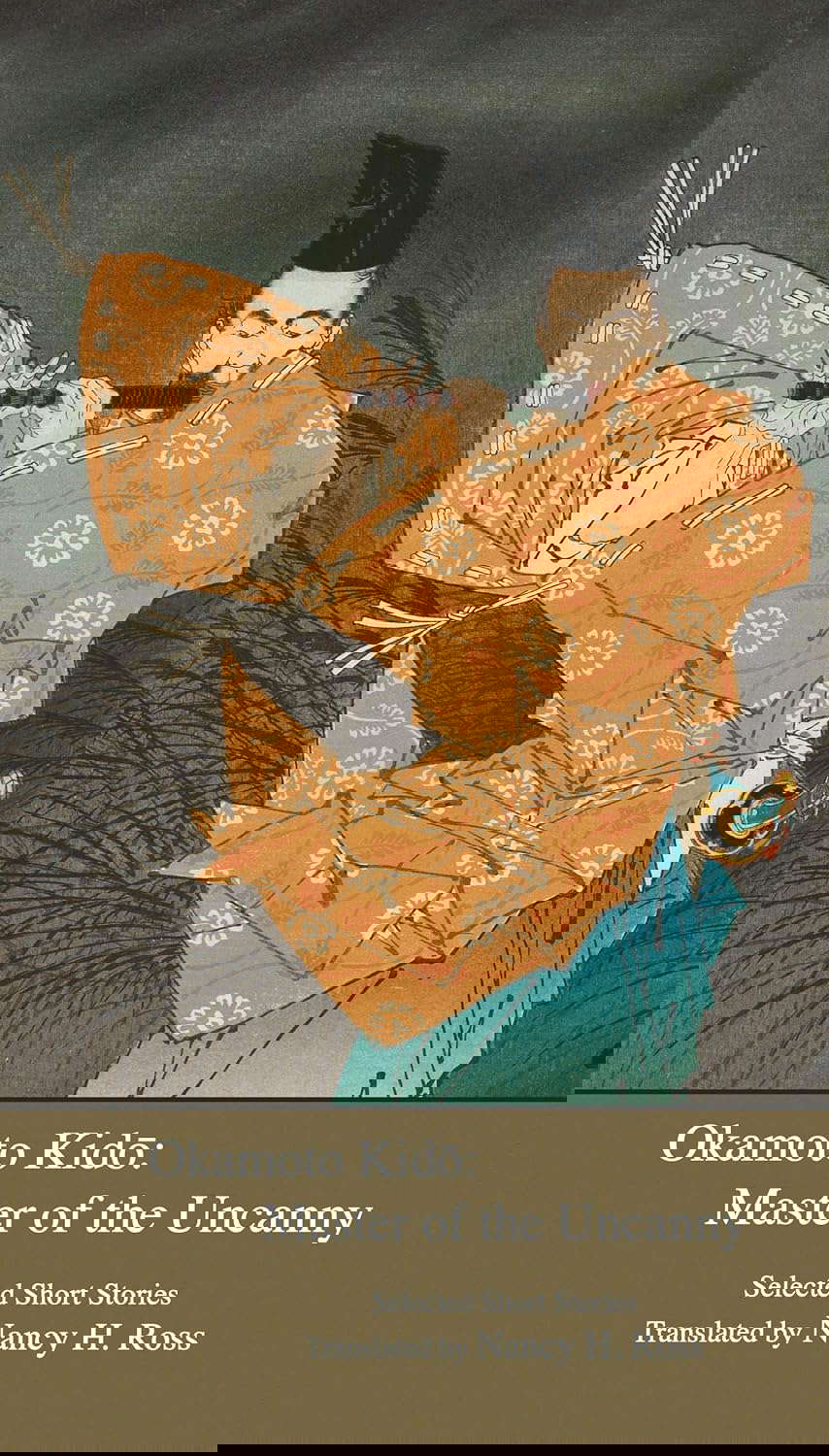
Born in 1872, Kidō wrote theater reviews, covered the Russo-Japanese War as a newspaper reporter, and eventually became a playwright and author. In addition to a number of well-received plays, he also penned more than fifty horror stories over a roughly ten-year period starting in the mid-1920s. Just prior to this period, the Great Kantō Earthquake of 1923 destroyed almost everything in Tokyo that remained from the Edo era, and Japanese horror itself was transitioning from the traditional uncanny stories to more modern horror structures.While many of Kidō’s stories are retellings of tales from China and other nations, he also drew on a diverse range of traditions, including the heritage of Edo-era storytellers such as Ueda Akinari and Asai Ryōi, to produce a dazzling array of work covering the entire spectrum from time-honored ghost tropes to modern horror. The majority of his stories were collected in four volumes: Seiadō kidan (1926), Kindai iyō hen (1926), Iyō hen (1933), and Kaijū (1936).Kidō remains popular for his elegant, low-key style, subtly introducing the “other” into the background, and raising the specter of the uncanny indirectly and often indistinctly.
Find it on
AmazonNo videos available yet.
No news articles linked to this title yet.

Overall
Overall rating of the media
Atmosphere
How immersive and tense is the atmosphere
Gore
Level and quality of gore/violence
Story
Quality of the storyline and plot
Writing
Quality of the written content
Character Development
Depth and growth of characters
Pacing
Flow and timing of the narrative