
BOOK
0
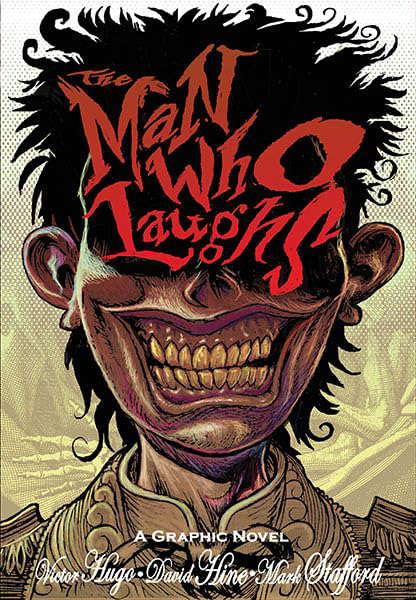
The Man Who Laughs (first published in 1869) is Victor Hugo’s scathing indictment of the injustice and inequality within Britain’s political system. It is the story of Gwynplaine, the two-year-old heir to a rebel lord, who is abducted upon the orders of a vindictive monarch, and whose face is mutilated into a permanent grisly grin, then abandoned. After years of living in poverty, Gwynplaine is reintroduced to the aristocratic life and resolves to become the voice of the voiceless—whether he is heard or not. Author David Hine and artist Mark Stafford introduce Hugo’s classic to a new generation of fans in this graphic-novel adaptation of abduction, mutilation, loss, and prejudice.
“Hine’s script neither shrinks from nor winks at the tale’s over-the-top melodrama, and Stafford’s elaborately cursive and pointy drawing style, awash in darkness and saturated colors, expresses it near perfectly.”
“Although his visage inspired Batman’s most splendiferous villain, the Joker, Gwynplaine’s commonsense polemics still resonate, whether in Occupy protests or speeches by Elizabeth Warren.”
Find it on
AmazonNo videos available yet.
No news articles linked to this title yet.

Overall
Overall rating of the media
Atmosphere
How immersive and tense is the atmosphere
Gore
Level and quality of gore/violence
Story
Quality of the storyline and plot
Writing
Quality of the written content
Character Development
Depth and growth of characters
Pacing
Flow and timing of the narrative