
BOOK
0
In 'Melmoth the Wanderer (Unabridged)' by Charles Maturin, the reader embarks on a dark and atmospheric journey through the Gothic genre, filled with intricate plots, supernatural elements, and philosophical musings. Maturin's elaborate prose and complex narrative structure create a sense of unease and suspense, drawing the reader into a world where the boundaries between reality and the supernatural blur. This novel, first published in 1820, is a classic example of Gothic literature, exploring themes of guilt, temptation, and the consequences of moral choices. Maturin's vivid descriptions and deep psychological insights make 'Melmoth the Wanderer' a captivating and thought-provoking read, sure to keep readers on the edge of their seats. Charles Maturin, an Irish clergyman and playwright, drew inspiration from his own religious background and literary influences to craft this haunting and enduring tale. His deep understanding of human nature and the complexities of good and evil shine through in this masterful work. 'Melmoth the Wanderer (Unabridged)' is a must-read for fans of Gothic fiction and those who appreciate richly layered storytelling that delves into the darkest recesses of the human soul.
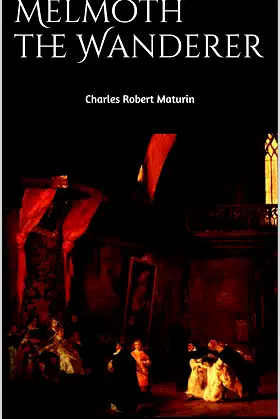
On break from his studies, John Melmoth visits his dying uncle. At his estate, he finds a portrait of an ancestor and grows interested in his family’s past. During his uncle’s funeral, he is told a story about a man named Stanton who came looking for Melmoth and left behind a manuscript. Melmoth the Wanderer is a novel by Charles Maturin.
Find it on
AmazonNo videos available yet.
No news articles linked to this title yet.

Overall
Overall rating of the media
Atmosphere
How immersive and tense is the atmosphere
Gore
Level and quality of gore/violence
Story
Quality of the storyline and plot
Writing
Quality of the written content
Character Development
Depth and growth of characters
Pacing
Flow and timing of the narrative