
BOOK
0
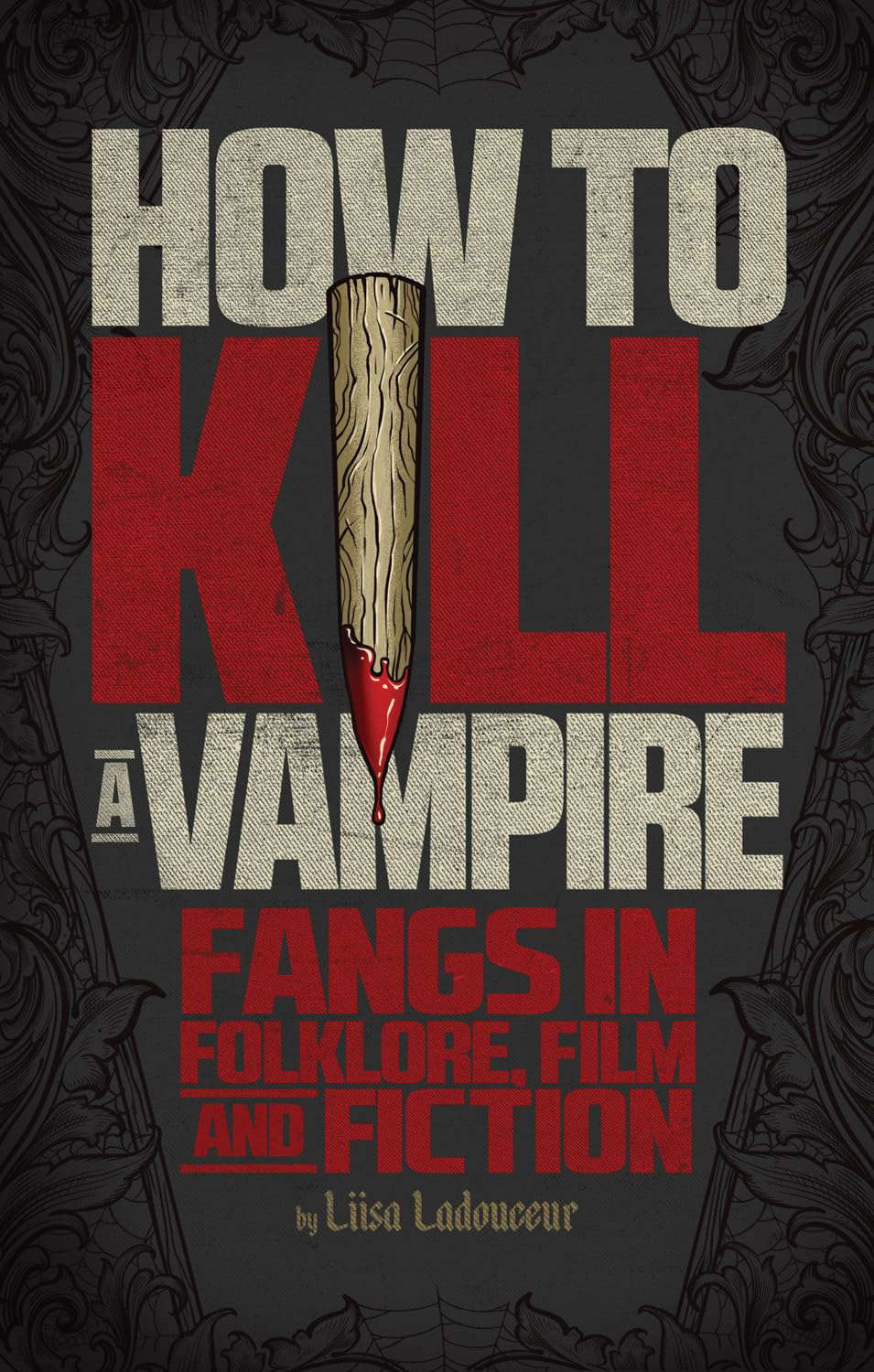
A fascinating investigation of what strikes fear in an immortal’s heart Vampires exist. And in every culture with a legend about bloodsuckers that rise from the grave to prey upon the living, there are rules and rituals for how to destroy them. How to Kill a Vampire is the first book to focus specifically on all known ways to prevent vampirism, protect oneself against attacks, and ultimately how to destroy the undead, as documented in folklore as well as horror film, TV, and books. Covering everything from obscure legends to contemporary blockbusters, Ladouceur’s unique approach to vampires traces the evolution of how to kill the fictional creatures and celebrates the most important slayers. In exploring how and why we create these monsters and the increasingly complex ways in which we destroy them, the book not only serves as a handy guide to the history and modern role of the vampire, it reveals much about the changing nature of human fears.
“Ladouceur’s writing…makes How to Kill a Vampire a full-on fun read. Her style is witty and jolly throughout, even when running down the litany of vampire suicide methods or describing how vampire babies tend to tear through their moms from the inside.”
“The factual information here is presented in a light-hearted way and that makes for a fun and fast read that, unlike the characters found within, doesn’t suck.”
“How to Kill a Vampire: Fangs in Folklore, Film and Fiction is an excellent compilation and analysis of the vampire myth and its evolution from historical folklore to present day pop culture. This book had the folklore nerd in me very happy.”
“The author certainly has done her research, and this comes across as a scholarly offering with just the right amount of humor.”
How to Kill a VampireFangs in Folklore, Film and FictionBy Liisa LadouceurECW PRESSCopyright © 2013 Liisa LadouceurAll rights reserved.ISBN: 978-1-77041-147-0CHAPTER 1The Evolution of Vampire Killing: A Pop Culture PrimerThe Origins of the Vampire"Sometimes folklore is merely fact that seems too implausible for belief." — Vampires, Burial, and DeathEarly in the research process for this book, I went to meet with Myriam Nafte, Toronto-based author of Flesh and Bone: An Introduction to Forensic Anthropology (2009). I wanted to understand more about the scientific, physical side of staking hearts, chopping off heads and some of the other ways to kill alleged vampires. Afterwards, we got to talking about the definition of death.In her book, Nafte describes the two types of deaths that forensic anthropologists deal with: somatic and cellular. Somatic death is when cardiac activity ceases — we stop breathing and moving, there are no more reflexes or brain activity. This is followed by cellular death, when our metabolism finally stops and the cells of the body die. I found this distinction fascinating in regard to killing vampires, what we would call in our stories "true death." Because if we look back at the very first reported cases of vampirism in folklore, they had everything to do with these two stages of death, even if they didn't have the scientific language to describe it as such. Take for example two of the most famous early historical "vampire" reports, both from Serbia in the early 1700s.In 1725, a farmer named Peter Plogojowitz from the village of Kisilova (now called Kisiljevo, in northeast Serbia) died. But shortly after his burial, his family reported him showing up at home in the night. Some versions of the story say he asked his son for food, and that the son was found dead the next day. Others claim he was harassing his wife for his shoes, after which the frightened woman left town. A few months later, nine villagers fell critically ill within one week. On their deathbeds, they reported being visited in dreams by Peter, who they say bit them on the neck and sucked their blood. Panic started to spread, so the local magistrate sent a report to the Imperial Commander, who came to visit and investigate. He opened the graves not only of Peter but all the recently dead to see if, in fact, their bodies had "refused to decompose," which would indicate vampirism according to local lore. Peter's corpse was apparently still breathing, his eyes open and flesh plump, with new hair and nail growth and a mouth smeared with fresh blood. An executioner drove a stake through the body, then burned it. As for the other suspected vamps, the villagers simply put garlic in their graves and reburied them, as a precaution. We know all of this because an official report was made by the Imperial Officer of Grandika and the story later reported in Lettres Juives by the Marquis d'Argens, which was translated into English in 1729.Arnold Paole was a soldier in the Serbian army who believed he was cursed by a vampire. In the spring of 1727, he returned to his hometown of Medvedja (which is not very far away from Kisilova). He told his fiancée that while he was away fighting he had been bitten by a vampire, but he assured her that he had killed the creature in its grave, then eaten some of the dirt and bathed in its blood to ward off any further attack. A week later, Paole fell from a haywagon, broke his neck and died. But soon locals reported seeing him wandering around at night. Forty days after he was buried, town leaders decided to dig up his body. A report of the incident reads a
Find it on
AmazonNo videos available yet.
No news articles linked to this title yet.

Overall
Overall rating of the media
Atmosphere
How immersive and tense is the atmosphere
Gore
Level and quality of gore/violence
Story
Quality of the storyline and plot
Writing
Quality of the written content
Character Development
Depth and growth of characters
Pacing
Flow and timing of the narrative