

BOOK
0
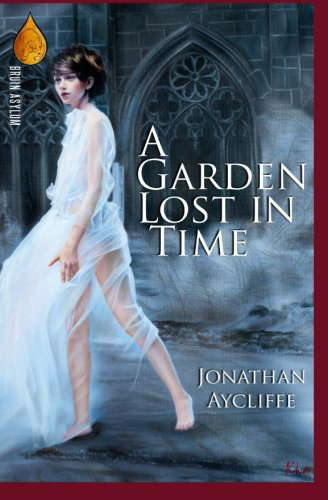
January 1917, Cornwall. Following the death of his father in The Great War, Fifteen-year-old Simon Lysaght is sent to live with his Uncle, Sir David Trevelyan, who rules over the wickedly ancient family estate, Trevelyan Priors. Simon immediately latches on to his younger cousin, Tom, and together they explore the darker reaches of Trevelyan Priors, including the Shot Tower, where something terrible lurks, and a forbidden garden that seems lost in time. One afternoon, sounds of distant battlefield guns spoil a lovely picnic by the lakeside—an impossibility considering the distance to Flanders Fields. The thunderous guns signal the inescapable darkness that descends upon the family. Rich in atmosphere and populated with memorable characters—some noble, some nefarious, all haunted—A Garden Lost in Time proves that the traditional ghost story is alive and well and perfectly able to chill the blood. Jonathan Aycliffe’s half dozen horror novels are gilded in the grand old tradition of the English ghost story. It is a precious genre, well worth preserving and protecting from the teenification that continues to seep into the greater pool of horror fiction. Drenched in atmosphere and implication, the traditional ghost story was taken to artistic heights in the early part of the 20th century by the legendary M.R. James. His portrayal of the metaphysical shroud that lingers just beyond our vision, drawn to our fears and powered by our doubts, showed that the ordinary and mundane things that we do every day are in fact always on the edge of collapse. Although many other writers have trod the same misty ground since James, no one has done more to explore and extend the Jamesian legacy in modern times than Jonathan Aycliffe.
Find it on
AmazonNo videos available yet.
No news articles linked to this title yet.

Overall
Overall rating of the media
Atmosphere
How immersive and tense is the atmosphere
Gore
Level and quality of gore/violence
Story
Quality of the storyline and plot
Writing
Quality of the written content
Character Development
Depth and growth of characters
Pacing
Flow and timing of the narrative