
BOOK
0
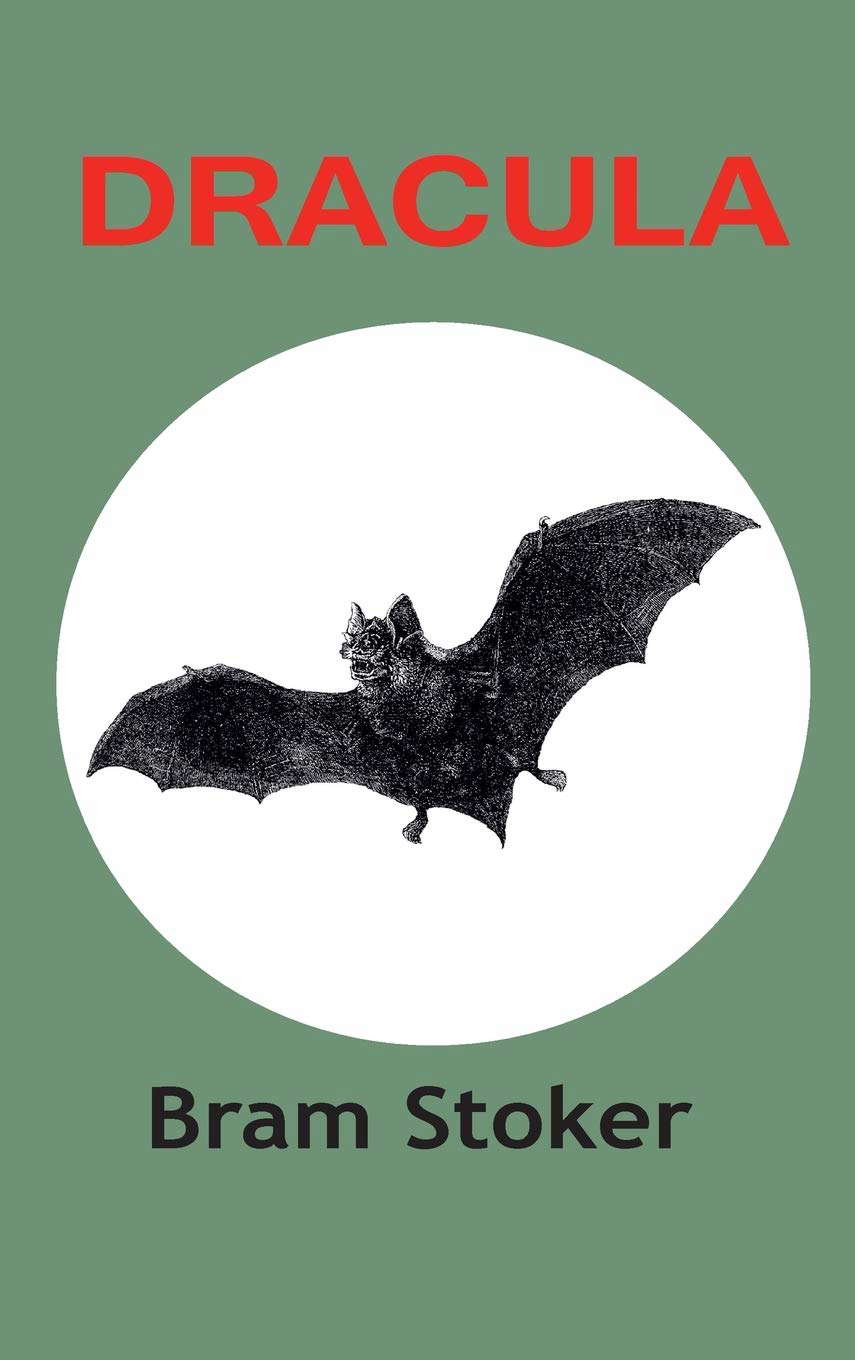
Before writing Dracula, Stoker spent seven years researching European folklore and stories of vampires, being most influenced by Emily Gerard's 1885 essay, "Transylvania Superstitions". Despite being the most widely known vampire novel, Dracula was not the first. It was preceded and partly inspired by Sheridan Le Fanu's 1871 "Carmilla", about a lesbian vampire who preys on a lonely young woman, and by Varney the Vampire, a lengthy penny dreadful serial from the mid-Victorian period by James Malcolm Rymer. The image of a vampire portrayed as an aristocratic man, like the character of Dracula, was created by John Polidori in "The Vampyre" (1819), during the summer spent with Frankenstein creator Mary Shelley, her husband, the poet Percy Bysshe Shelley and Lord Byron in 1816. The Lyceum Theatre, where Stoker worked between 1878 and 1898, was headed by the actor-manager Henry Irving, who was Stoker's real-life inspiration for Dracula's mannerisms and who Stoker hoped would play Dracula in a stage version. Bram Stoker was an Irish novelist and short story writer, During his lifetime, he was better known as personal assistant of actor Henry Irving and business manager of the Lyceum Theatre in London, which Irving owned.
Find it on
AmazonNo videos available yet.
No news articles linked to this title yet.
No tags available.

Overall
Overall rating of the media
Atmosphere
How immersive and tense is the atmosphere
Gore
Level and quality of gore/violence
Story
Quality of the storyline and plot
Writing
Quality of the written content
Character Development
Depth and growth of characters
Pacing
Flow and timing of the narrative