
BOOK
0
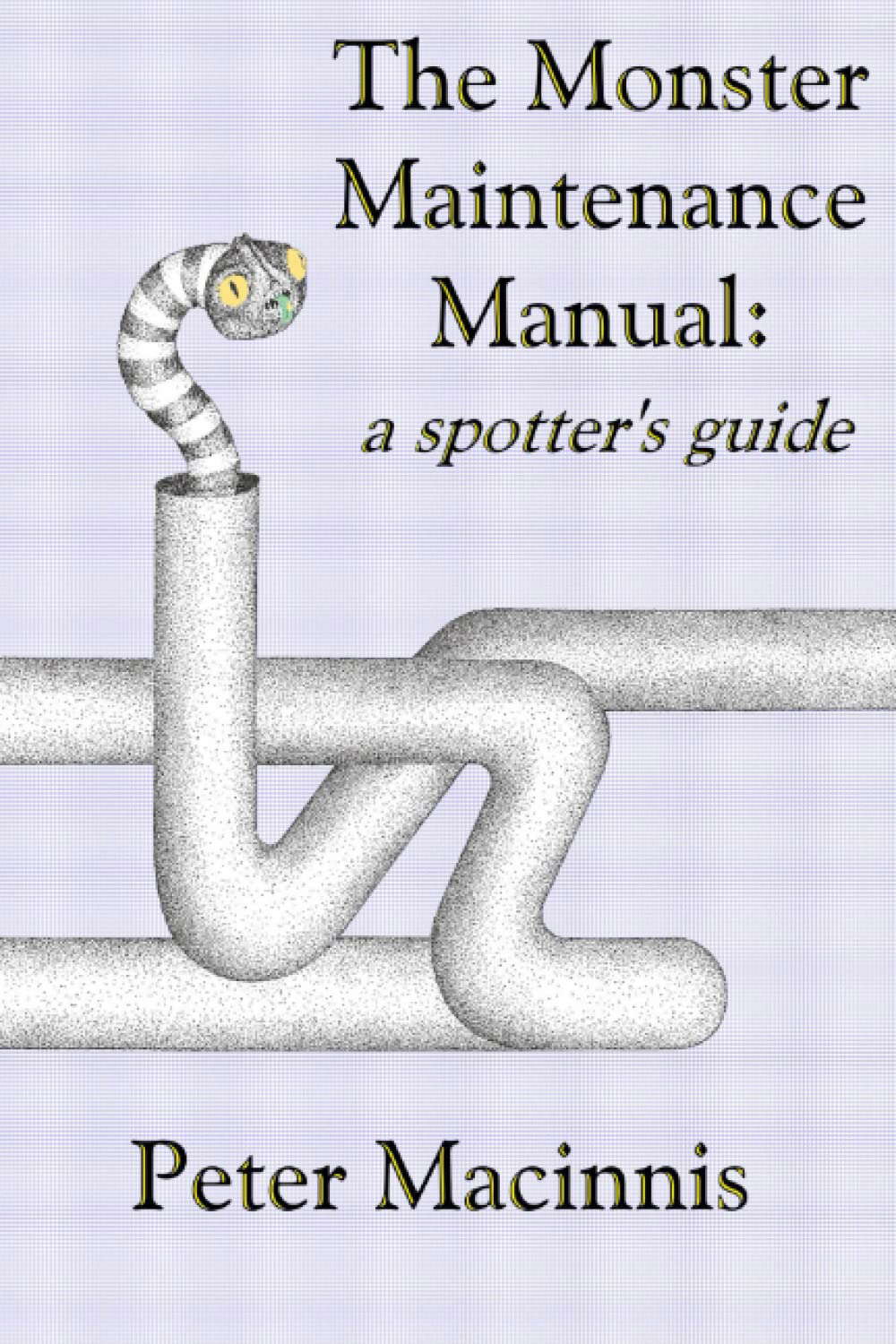
This book started when a young bureaucrat sat in a boring meeting, and began a stippled doodle, making tiny dots that became an eye, a head, and then a strange beast. He noticed that the bores on either side of him (there are always lots of those in meetings) fell silent, transfixed by what grew out of the page. With them silenced, the thinkers could work and formulate policies, so the youngster kept on doing it. Later, the idiots would ask what the animals were, and so the creatures got names, like Victa, the Rotorua moa (she can be found on page 33), and to explain things to these gullible numpties, he created more back stories.He ran away from the bureaucracy to become a management consultant specialising in stopping fraud, a role where being a facile fabricator (that’s a nice way of saying liar) was essential to the catching of Bad People (and not getting hurt). So it went, but as he started to acquire grandchildren, he began telling them tall stories, some of them relating to his old monsters, and slowly, this book began to take shape.Sadly, it was published by a crumbling publishing house which went belly up, and the bean counters remaindered or pulped the first edition. This second edition, under the author's control, features the original dotty drawings of that young bureaucrat and a lot of new material.Let it be said though, that the characters take strong exception to being called monsters. They can all speak to us. If they see the necessity they will accept the name, but for the most part, our ‘monsters’ live among us, forming a complex society, almost an ecology as they interact with each other. The major aim of this book is to help young people understand that ‘monsters’ have feelings as well.Here you will find animals in the mould of Australia’s infamous drop bear, but where the drop bear is a joke to play on foreigners, all of the animals you meet in this book are real, and you have the author’s word for that—would he lie? The sinking geese, the moby ducks, the aunt eaters and the uncle biters, the microvalkyries, piano tunas, quarking ducks, the deconstructionists, the equinoxes, underbed bears, soap slurpers, post impressionists and Schrödinger’s Cheshire elephants are all real. They must be, because the book describes their intricate ecology, as they live in our cupboards and drains, under our beds and all around us.You won’t find these beings in any zoo, though, because these are all intelligent animals and would escape if they were locked up, but quite liking humans, they often come into our homes, and recent research indicates that Schrödinger’s Cheshire elephants alone account for 17% of all instances of invisible friends. Some of our cohabitants can be a nuisance, but anybody who knows the ways, preferences and ecologies of the various ‘monsters’ can manage them quite well.New to this edition, there are 14 short stories telling of some of the triumphs that various monsters have had. The book is written to be read to young readers, or to be read by them. By the age of ten, they will start to spot the references to art, music and literature, which is good training for bright young minds.Your author has worked with bright minds of every age from kindergarten to undergraduate, and this is a sly and devious tool that will educate by stealth. They will learn far more than they expected.
Find it on
AmazonNo videos available yet.
No news articles linked to this title yet.
No tags available.

Overall
Overall rating of the media
Atmosphere
How immersive and tense is the atmosphere
Gore
Level and quality of gore/violence
Story
Quality of the storyline and plot
Writing
Quality of the written content
Character Development
Depth and growth of characters
Pacing
Flow and timing of the narrative