

BOOK
0
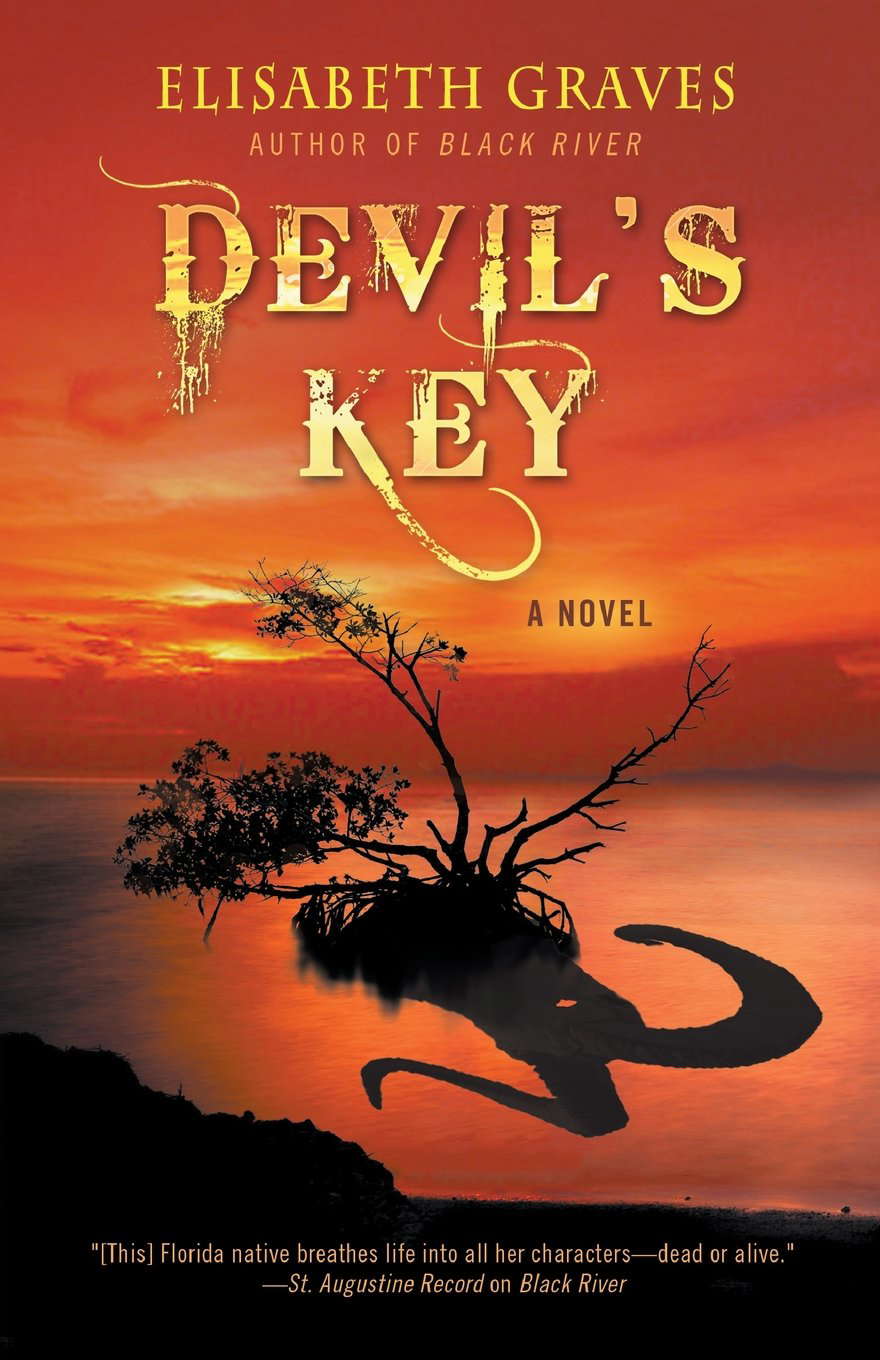
"[this] Florida native breathes life into all her characters -- dead or alive." --St. Augustine RecordLucy Fowler plans to spend winter break on an island off the coast of Florida, to finish writing her thesis. She needs one last interview with an elderly midwife. Lucy almost cancels the trip after she's brutally assaulted on campus. But in the end she goes, hoping work will be therapeutic.On remote, isolated Ibo Key, Lucy learns midwife Esther Day is now confined to a psychiatric ward. She also learns that there was once a thriving black community, Revelation, on the island. Its residents all vanished one night long ago. Lucy decides to write about the ghost town, but no one will talk about what happened. Eventually, she uncovers the terrible story behind the town's destruction. Esther's rival, Soulange, once owned a mysterious book . . . a centuries old grimoire revealing the arcana of Obeah. An odd little man tells Lucy the island is cursed. That every man, woman, and child on it will soon die. And she begins to see glimpses of the past.But by then she's stranded, trapped by a killer hurricane. To escape she must face her own connection to both the victims and perpetrators of a long-ago massacre . . . a crime so monstrous it invites the arrival of an evil old as time.Devil's Key was originally published by Egmont Boker, Oslo, in 1999 as Svart Frikt. This Northampton House Press trade paperback edition is the first in the English language.
Find it on
AmazonNo videos available yet.
No news articles linked to this title yet.

Overall
Overall rating of the media
Atmosphere
How immersive and tense is the atmosphere
Gore
Level and quality of gore/violence
Story
Quality of the storyline and plot
Writing
Quality of the written content
Character Development
Depth and growth of characters
Pacing
Flow and timing of the narrative