

BOOK
0
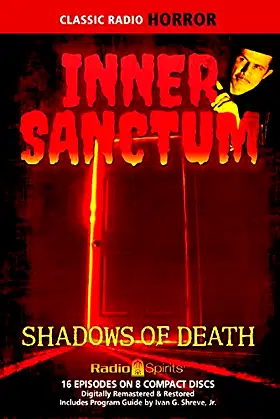
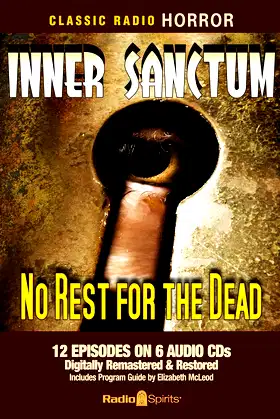
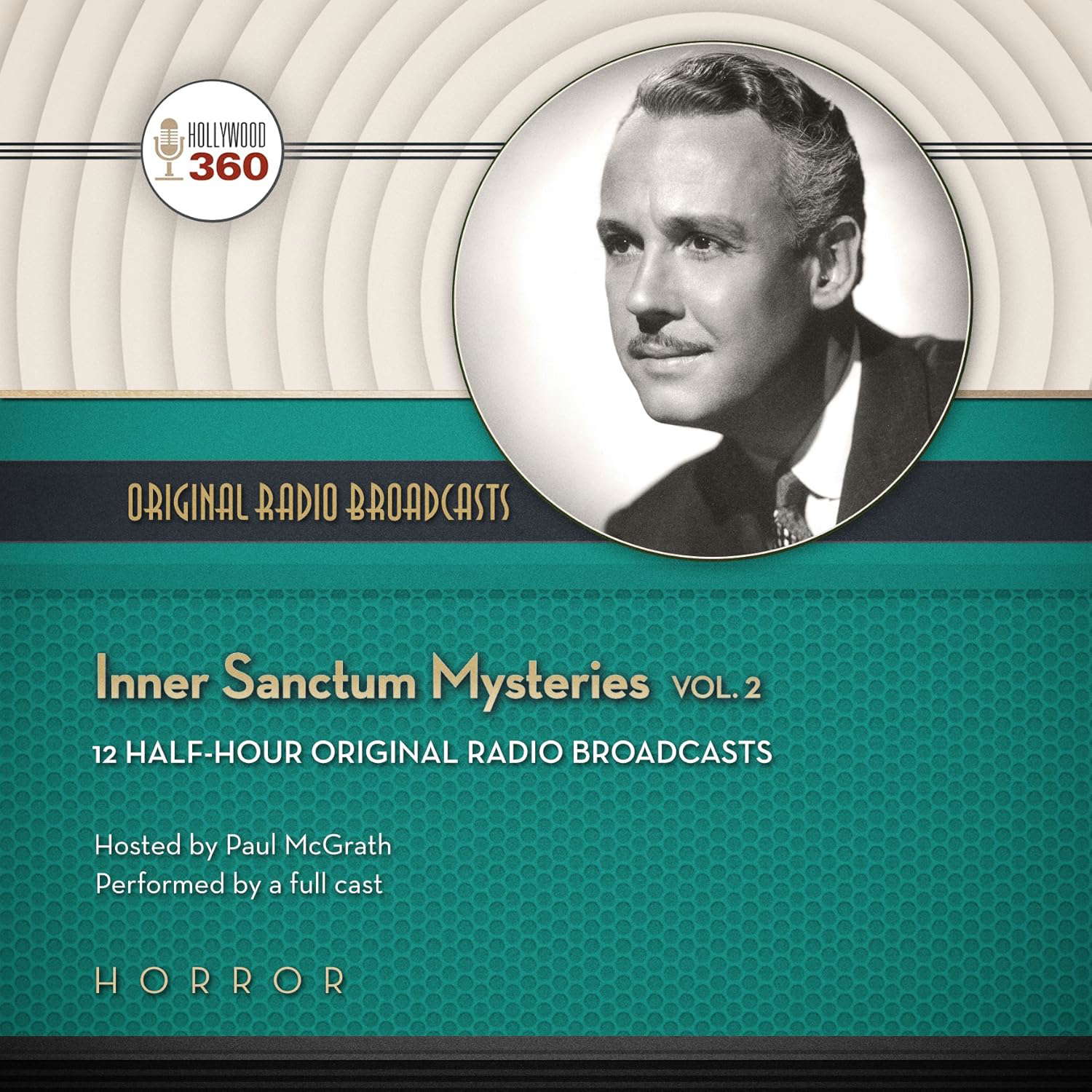
Taking its name from a popular series of mystery novels, Inner Sanctum Mysteries debuted over NBC's Blue Network in January 1941. It featured one of the most memorable and atmospheric openings in radio history: an organist hit a dissonant chord, a doorknob turned, and the famous "creaking door" slowly began to open. Every week, Inner Sanctum Mysteries told stories of ghosts, murderers, and lunatics. Produced in New York, the cast usually consisted of veteran radio actors, with occasional guest appearances by such Hollywood stars Boris Karloff, Peter Lorre, and Claude Rains. What made Inner Sanctum Mysteries unique among radio horror shows was its host, a slightly sinister sounding fellow originally known as "Raymond." The host had a droll sense of humor and an appetite for ghoulish puns, and his influence can be seen among horror hosts everywhere, from the Crypt-Keeper to Elvira. Raymond Edward Johnson was the show's host until 1945; Paul McGrath took over as host until the show left the air in 1952. Producer Hiram Brown would utilize the creaking door again in the 1970s, when he produced and directed The CBS Radio Mystery Theater.Episodes include"Blood of Cain""Skeleton Bay""The Man Who Couldn't Die""I Walk in the Night""Death Is a Double-Crosser""Strands of Death""Lady with a Plan""Make Ready My Grave""You Could Die Laughing""Detour to Terror""Eight Steps to Murder""I Want to Report a Murder"
Find it on
AmazonNo videos available yet.
No news articles linked to this title yet.

Overall
Overall rating of the media
Atmosphere
How immersive and tense is the atmosphere
Gore
Level and quality of gore/violence
Story
Quality of the storyline and plot
Writing
Quality of the written content
Character Development
Depth and growth of characters
Pacing
Flow and timing of the narrative