
BOOK
0
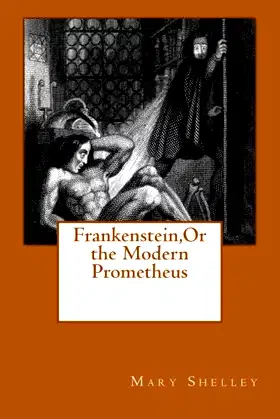
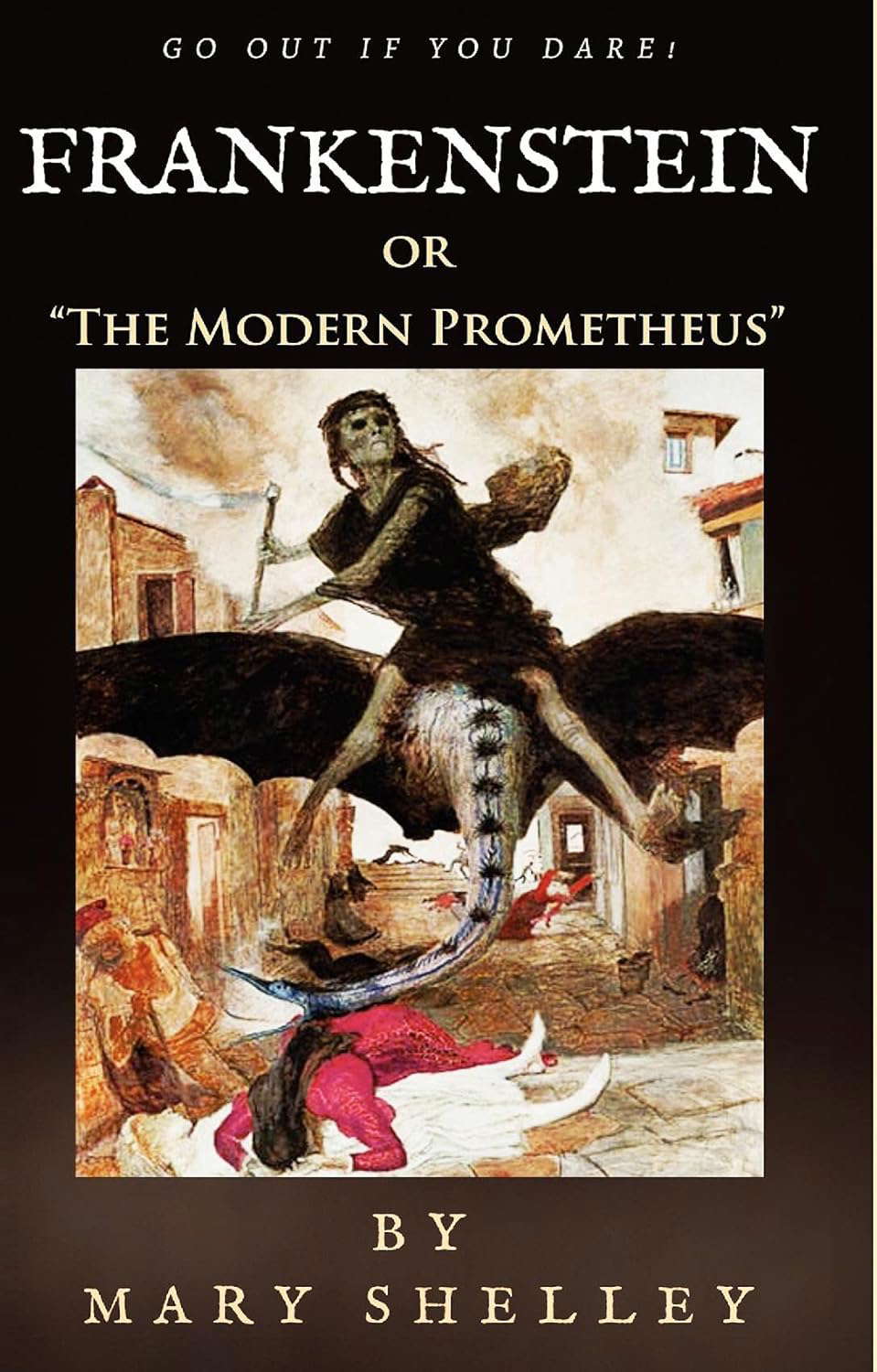
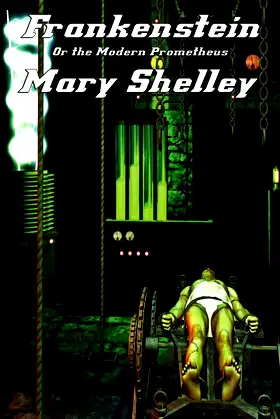
Generally known as Frankenstein, is a novel written by the British author Mary Shelley. The title of the novel refers to a scientist, Victor Frankenstein, who learns how to create life and creates a being in the likeness of man, but larger than average and more powerful. In popular culture, people have tended to refer to the Creature as "Frankenstein", despite this being the name of the scientist.Frankenstein is a novel infused with some elements of the Gothic novel and the Romantic movement. It was also a warning against the "over-reaching" of modern man and the Industrial Revolution, alluded to in the novel's subtitle, The Modern Prometheus. The story has had an influence across literature and popular culture and spawned a complete genre of horror stories and films. It is arguably considered the first fully realized science fiction novel.Shelley travelled through Europe in 1815 along the river Rhine in Germany stopping in Gernsheim, 17 kilometres (11 mil) away from Frankenstein Castle, where two centuries before, an alchemist engaged in experiments. She then journeyed to the region of Geneva, Switzerland, where much of the story takes place. The topic of galvanism and occult ideas were themes of conversation among her companions, particularly her lover and future husband Percy B. Shelley. Mary, Percy and Lord Byron had a competition to see who could write the best horror story. After thinking for days, Shelley dreamt about a scientist who created life and was horrified by what he had made, inspiring the novel.Since the publication of the novel, the name "Frankenstein" has often been used to refer to the monster itself. In the novel, Frankenstein's creation is identified by words such as "creature", "monster", "daemon", "wretch", "abortion", "fiend" and "it". Speaking to Victor Frankenstein, the monster says "I ought to be thy Adam, but I am rather the fallen angel" (which ties to Lucifer in Paradise Lost, which the monster reads, and which relates to the disobedience of Prometheus in the book's subtitle).
"Nothing is so painful to the human mind as a great and sudden change.""Beware; for I am fearless, and therefore powerful.""Life, although it may only be an accumulation of anguish, is dear to me, and I will defend it.""I do know that for the sympathy of one living being, I would make peace with all. I have love in me the likes of which you can scarcely imagine and rage the likes of which you would not believe. If I cannot satisfy the one, I will indulge the other."
Find it on
AmazonNo videos available yet.
No news articles linked to this title yet.
No tags available.

Overall
Overall rating of the media
Atmosphere
How immersive and tense is the atmosphere
Gore
Level and quality of gore/violence
Story
Quality of the storyline and plot
Writing
Quality of the written content
Character Development
Depth and growth of characters
Pacing
Flow and timing of the narrative