
BOOK
0
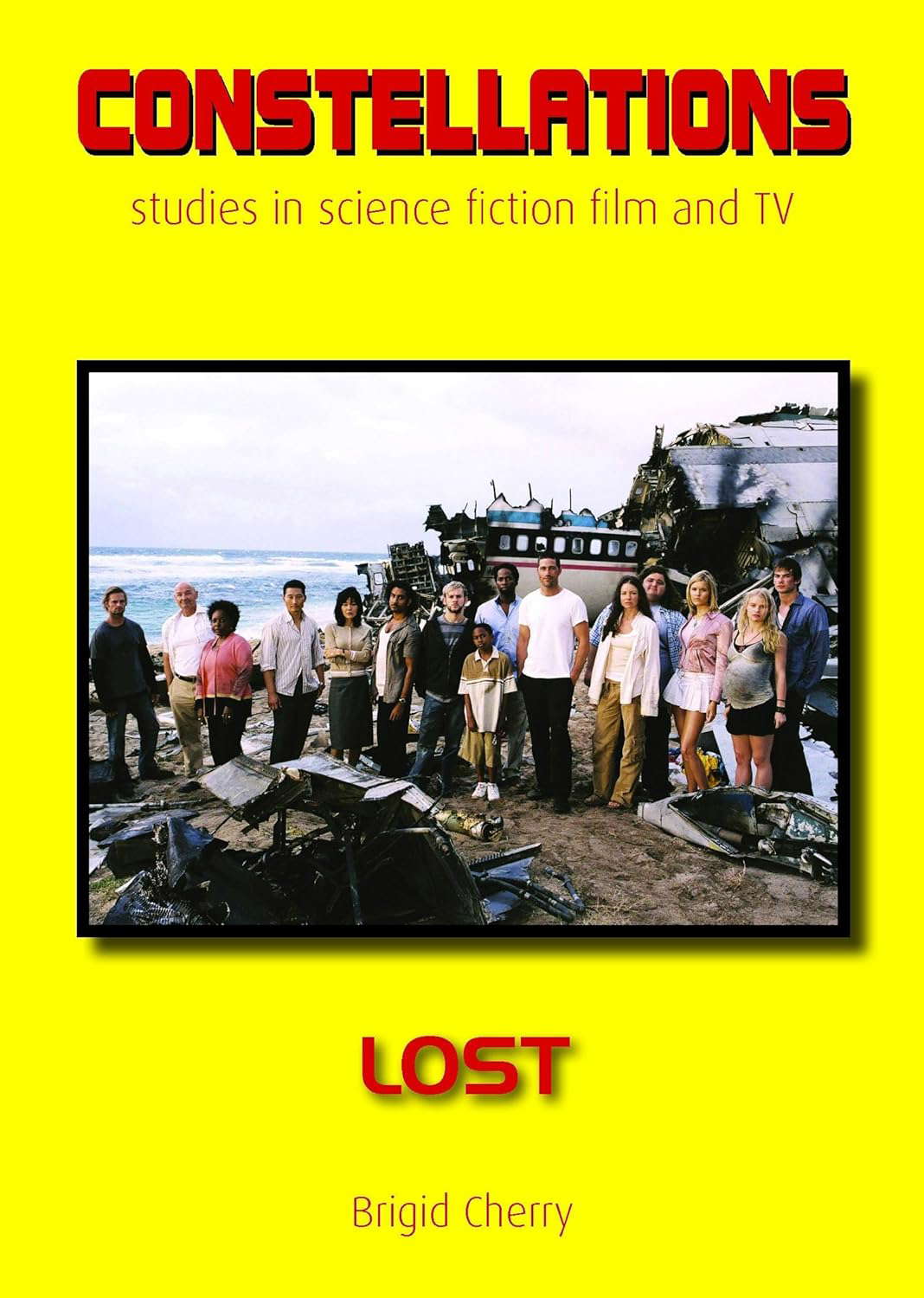
From its opening moments featuring the aftermath of a plane crash on a tropical island, the television series Lost (2004-2010) became one of the most intriguing and talked about programmes in the era of digital media. This contribution to the Constellations series is the first full-length account of Lost and explores in detail what made this series both a popular hit with critics and the public (as ‘quality’ or ‘must-see’ TV), and also a series accruing intense fan scrutiny (as cult telefantasy). Lost is discussed in terms of its generic hybridity, and in particular how it incorporates and reframes familiar tropes of science fiction in the context of a Survivor reality TV-style plot on the one hand and as a ‘mystery box’ of extremely complex hermeneutic codes and hyperdiegesis on the other. Further, it explores the ways in which Lost uses science fictional narrative approaches to the intersections between themes of gender, identity, community, science, faith and philosophic thought. The book also discusses the series’ relationship with its narrative extensions in online games, merchandise, secondary texts and paratexts. Constellations: Lost is thus an important retrospective examination of a significant television series that was also a pioneering transmedia text.
The TV series Lost (2004-2010) became one of the most intriguing and talked about programmes in the era of digital media. This Constellation is the first full-length account of Lost, an important retrospective examination of a significant television series that was also a pioneering transmedia text.
https://global.oup.com/academic/product/9781800859227?cc=us
Find it on
AmazonNo videos available yet.
No news articles linked to this title yet.
No tags available.

Overall
Overall rating of the media
Atmosphere
How immersive and tense is the atmosphere
Gore
Level and quality of gore/violence
Story
Quality of the storyline and plot
Writing
Quality of the written content
Character Development
Depth and growth of characters
Pacing
Flow and timing of the narrative