

BOOK
0
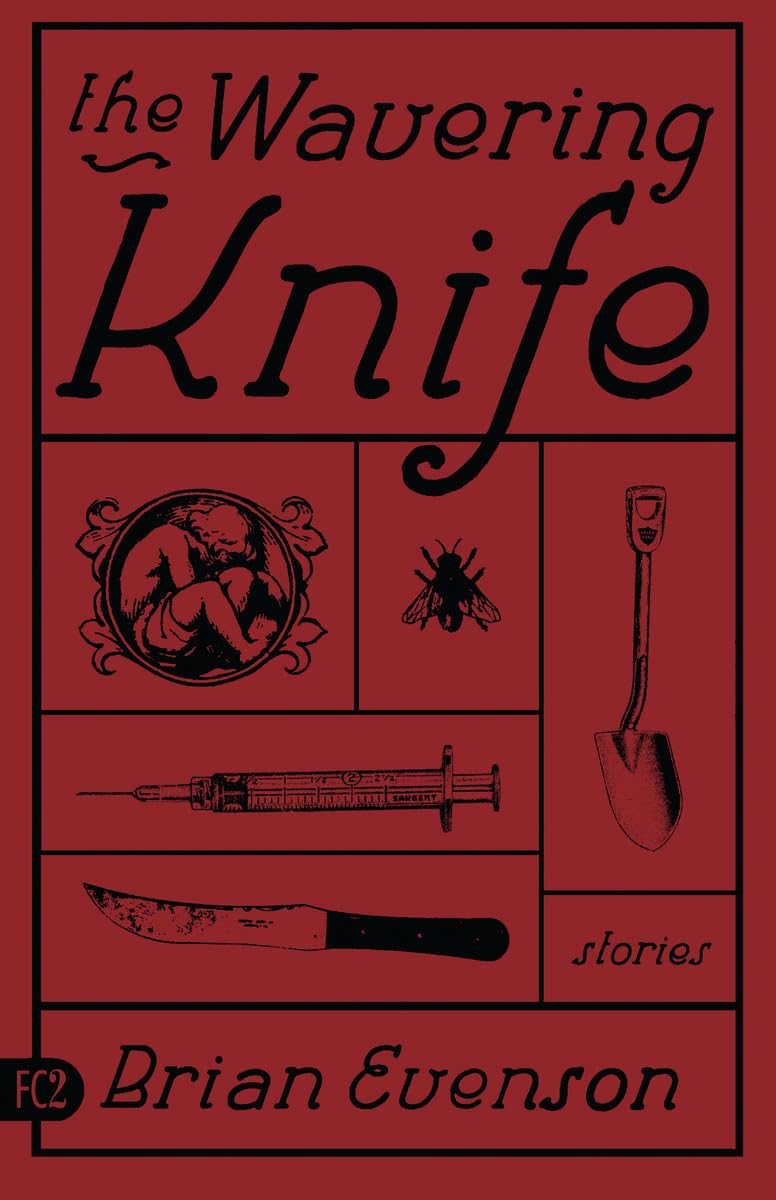
Replete with the brutality, primordial waste, and savage blankness familiar to readers of his earlier works, Evenson's Kafkaesque allegories entice the mind while stubbornly disordering it. In the title story an obsessive consciousness folds back on itself, creating a vertiginous mélange of Poe and Borges, both horrific and metaphysical. Here, as in "Moran's Mexico," and "Greenhouse," the solitary nature of reading and writing leads characters beyond human limits, making the act of putting words to paper a monstrous violation opening onto madness. In "White Square" the representation of humans by dimly colored shapes confirms our feeling that something lies behind these words, while seeming to mock us with the futility of seeking it. Evenson's enigmatic names-Thurm, Bein, Hatcher, Burlun-placeable landscapes, and barren rooms all combine to create a semblance of conceptual abstraction, as though the material universe had come to exist inside someone's head. Small wonder that Evenson's work has attracted so much attention among philosophers, literary critics, and other speculative intelligences, for it continuously projects a tantalizing absence, as though there were some key or code that, if only we knew it, would illuminate everything. However, the blade of discernment wavers, and we are left to our own groping interpretations.
Find it on
AmazonNo videos available yet.
No news articles linked to this title yet.

Overall
Overall rating of the media
Atmosphere
How immersive and tense is the atmosphere
Gore
Level and quality of gore/violence
Story
Quality of the storyline and plot
Writing
Quality of the written content
Character Development
Depth and growth of characters
Pacing
Flow and timing of the narrative