
BOOK
0
This is the first book-length study of the uncanny, an important topic for contemporary thinking on literature, film, philosophy, psychoanalysis, feminism and queer history. Much of this importance can be traced back to Freud’s extraordinary essay of 1919, ‘The Uncanny’ (Das Unheimliche).As a ghostly feeling and concept, however, the uncanny has a complex history going back to at least the Enlightenment. Royle offers a detailed account of the emergence of the uncanny, together with a series of close readings of different aspects of the topic. Following a major introductory historical and critical overview, there are chapters on literature, teaching, psychoanalysis, deconstruction, film, the death drive, déjà vu, silence, solitude and darkness, the fear of being buried alive, the double, ghosts, cannibalism, telepathy, madness and religion.
This is the first book-length study of the uncanny, an important topic for contemporary thinking on literature, film, philosophy, psychoanalysis, feminism and queer history.
This is the first book-length study of the uncanny, an important topic for contemporary thinking on literature, film, philosophy, psychoanalysis, feminism and queer history. Much of this importance can be traced back to Freud s extraordinary essay of 1919, The Uncanny (Das Unheimliche). Above all, Freud was perhaps the first to foreground the distinctive nature of the uncanny as a feeling of something not simply weird or mysterious, but strangely familiar. As a ghostly feeling and concept, however, the uncanny has a complex history going back to at least the Enlightenment. Royle offers a detailed account of the emergence of the uncanny, together with a series of close readings of different aspects of the topic. Following a major introductory historical and critical overview, there are chapters on literature, teaching, psychoanalysis, deconstruction, film, the death drive, déjà vu, silence, solitude and darkness, the fear of being buried alive, the double, ghosts, cannibalism, telepathy, madness and religion.
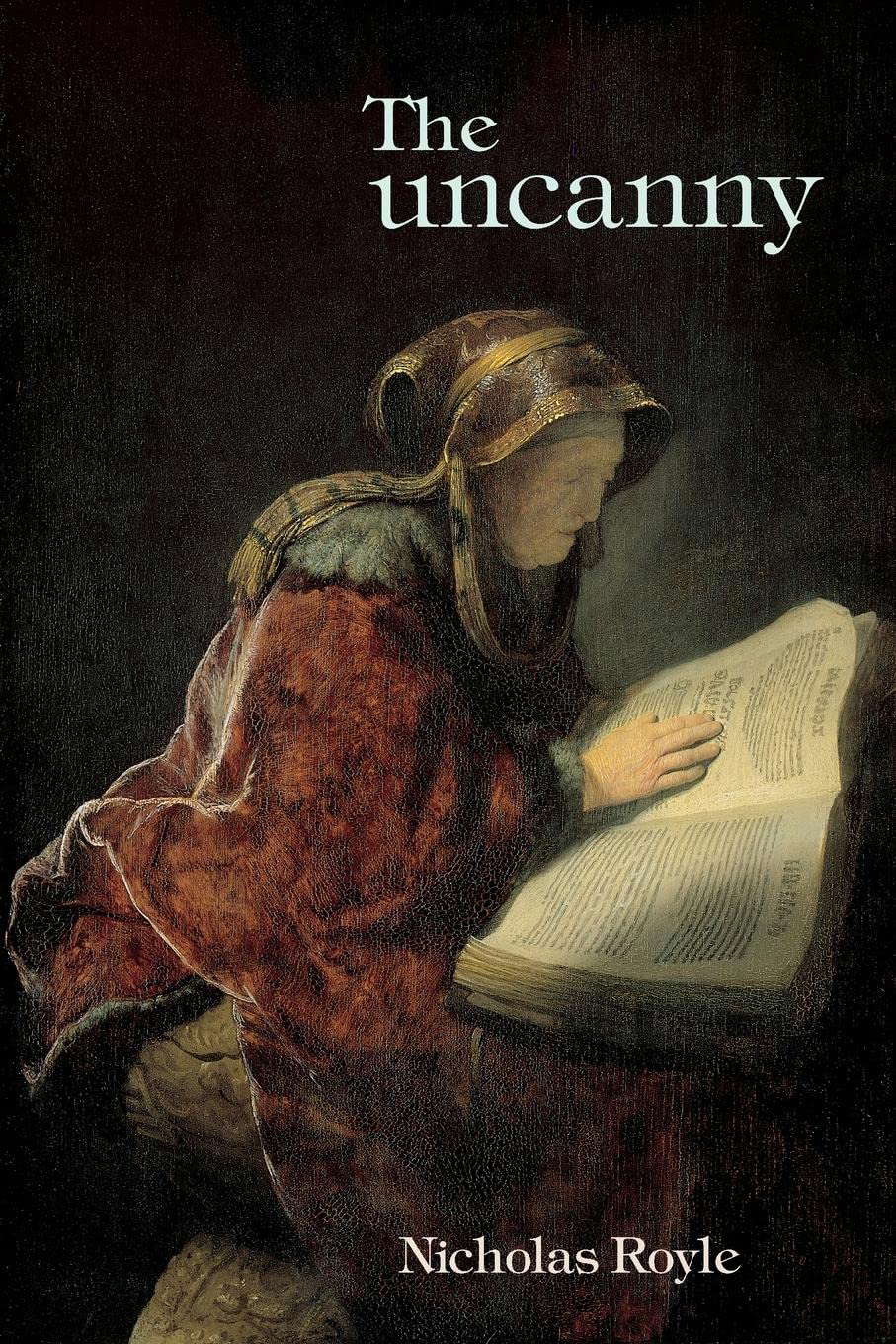
This is the first book-length study of the uncanny, an important topic for contemporary thinking on literature, film, philosophy, psychoanalysis, feminism and queer history. Much of this importance can be traced back to Freud’s extraordinary essay of 1919, ‘The Uncanny’ (Das Unheimliche). Above all, Freud was perhaps the first to foreground the distinctive nature of the uncanny as a feeling of something not simply weird or mysterious, but strangely familiar. As a ghostly feeling and concept, however, the uncanny has a complex history going back to at least the Enlightenment. Royle offers a detailed account of the emergence of the uncanny, together with a series of close readings of different aspects of the topic. Following a major introductory historical and critical overview, there are chapters on literature, teaching, psychoanalysis, deconstruction, film, the death drive, déjà vu, silence, solitude and darkness, the fear of being buried alive, the double, ghosts, cannibalism, telepathy, madness and religion.
Find it on
AmazonNo videos available yet.
No news articles linked to this title yet.

Overall
Overall rating of the media
Atmosphere
How immersive and tense is the atmosphere
Gore
Level and quality of gore/violence
Story
Quality of the storyline and plot
Writing
Quality of the written content
Character Development
Depth and growth of characters
Pacing
Flow and timing of the narrative