

BOOK
0
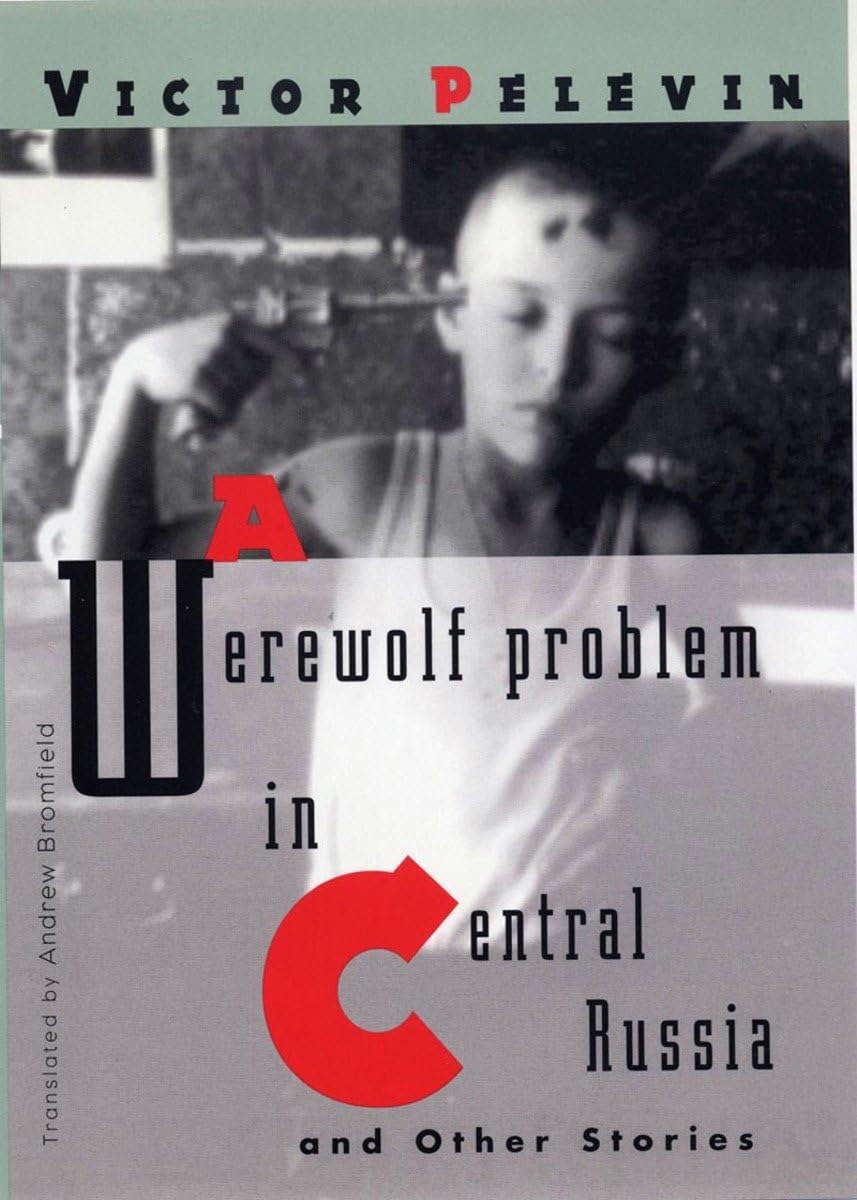
The absurd becomes the truth in these magnificent eight short stories by the contemporary post-Soviet Union author. Victor Pelevin is "the only young Russian novelist to have made an impression in the West" (Village Voice). A Werewolf Problem in Central Russia, the second of Pelevin's Russian Booker Prize-winning short story collections, continues his Sputnik-like rise. The writers to whom he is frequently compared―Kafka, Bulgakov, Philip K. Dick, and Joseph Heller―are all deft fabulists, who find fuel for their fires in society's deadening protocol. "At the very start of the third semester, in one of the lectures on Marxism-Leninism, Nikita Dozakin made a remarkable discovery," begins the story "Sleep." Nikita's discovery is that everyone around him, from parents to television talk-show hosts, is actually asleep. In "Vera Pavlova's Ninth Dream," the attendant in a public toilet finds that her researches into solipsism have dire and diabolical consequences. In the title story, a young Muscovite, Sasha, stumbles upon a group of people in the forest who can transform themselves into wolves. As Publishers Weekly noted, "Pelevin's allegories are reminiscent of children's fairy tales in their fantastic depictions of worlds within worlds, solitary souls tossed helplessly among them." Pelevin―whom Spin called "a master absurdist, a brilliant satirist of things Soviet, but also of things human"―carries us in A Werewolf Problem in Central Russia to a land of great sublimity and black comic brilliance.
Find it on
AmazonNo videos available yet.
No news articles linked to this title yet.

Overall
Overall rating of the media
Atmosphere
How immersive and tense is the atmosphere
Gore
Level and quality of gore/violence
Story
Quality of the storyline and plot
Writing
Quality of the written content
Character Development
Depth and growth of characters
Pacing
Flow and timing of the narrative