

BOOK
0
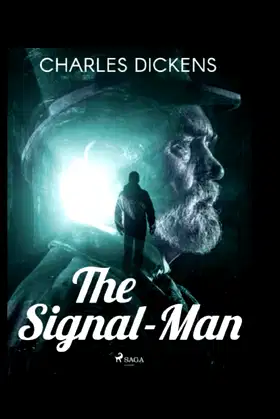
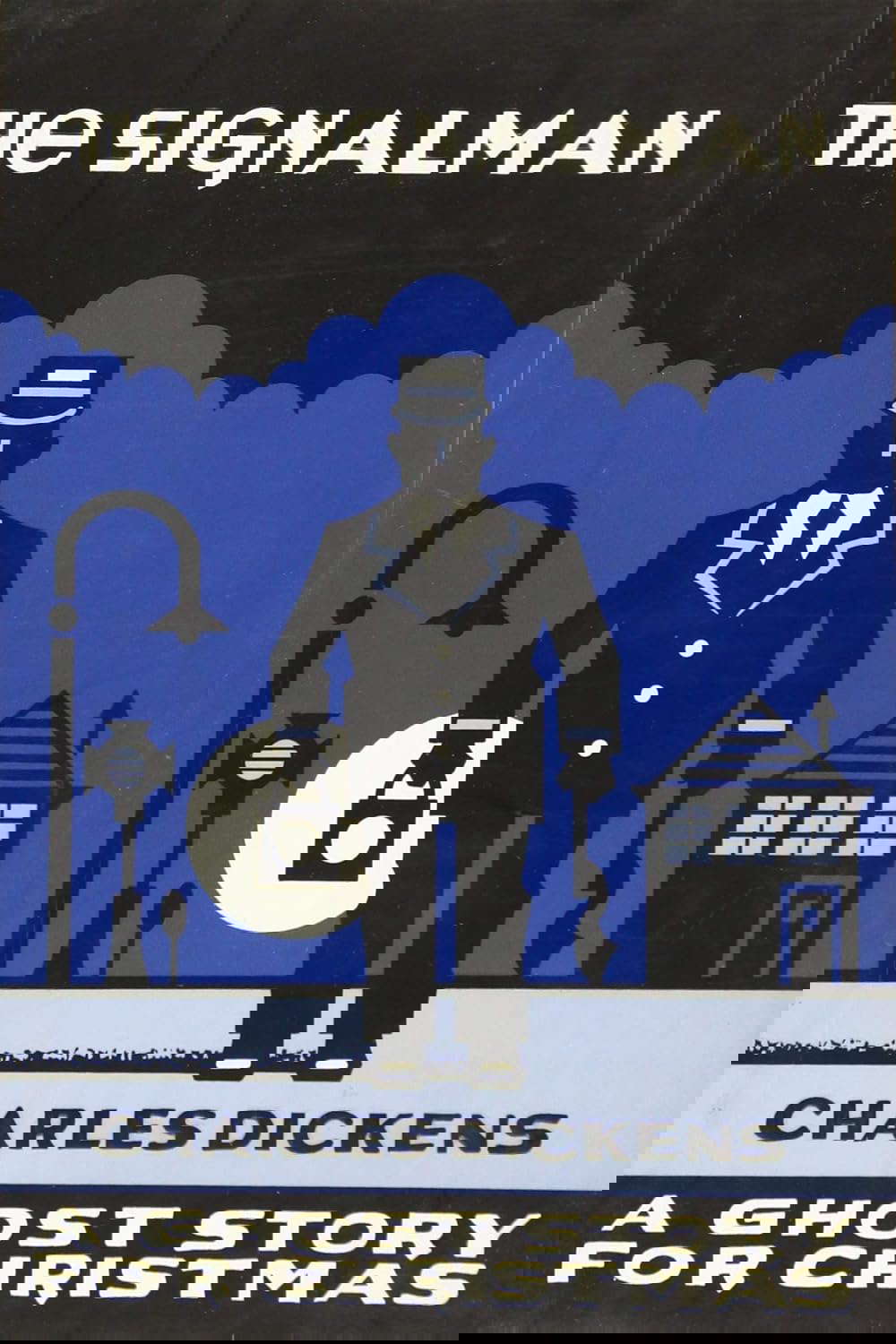
"This book is amazing."Halloween might seem like the spookiest time of year, but Charles Dickens felt otherwise. He was among the many authors who set their scariest stories during the dim and shivering days ofyes, Christmas.First published in 1866 for a special yuletide issue of All the Year Round, Dickens' "The Signalman" has since fallen into obscurity. An eerie story of isolation, dread, and supernatural visitation, this book is a small treasure, meant to be read aloud on a cold, dark winter night.
Overtaken by insomnia, a gentleman wanders through a damp winter countryside - until he discovers the black mouth of a railway tunnel. To his amazement, deep in the gorge before the tunnel, he sees an ancient signal-man. Although at first unresponsive to his calls, the signal-man eventually invites him down to a lonely shack. It's there, over the course of two sleepless nights, that we learn the signal-man's horrifying secret: a shrouded figure haunts him, foretelling a catastrophe soon to befall that very stretch of the tracks. Has the signal-man lost his mind in the solitary dark of his profession? Or does he see the phantom of his own grizzly fate? First published in 1866 for a special Christmas issue of All the Year Round, Charles Dickens' "The Signal-Man" has since fallen into obscurity. This beautiful reissue, designed and illustrated by the inimitable Seth, breathes new life into a work many consider one of the best Christmas ghost stories ever written.
Find it on
AmazonNo videos available yet.
No news articles linked to this title yet.

Overall
Overall rating of the media
Atmosphere
How immersive and tense is the atmosphere
Gore
Level and quality of gore/violence
Story
Quality of the storyline and plot
Writing
Quality of the written content
Character Development
Depth and growth of characters
Pacing
Flow and timing of the narrative