
BOOK
0
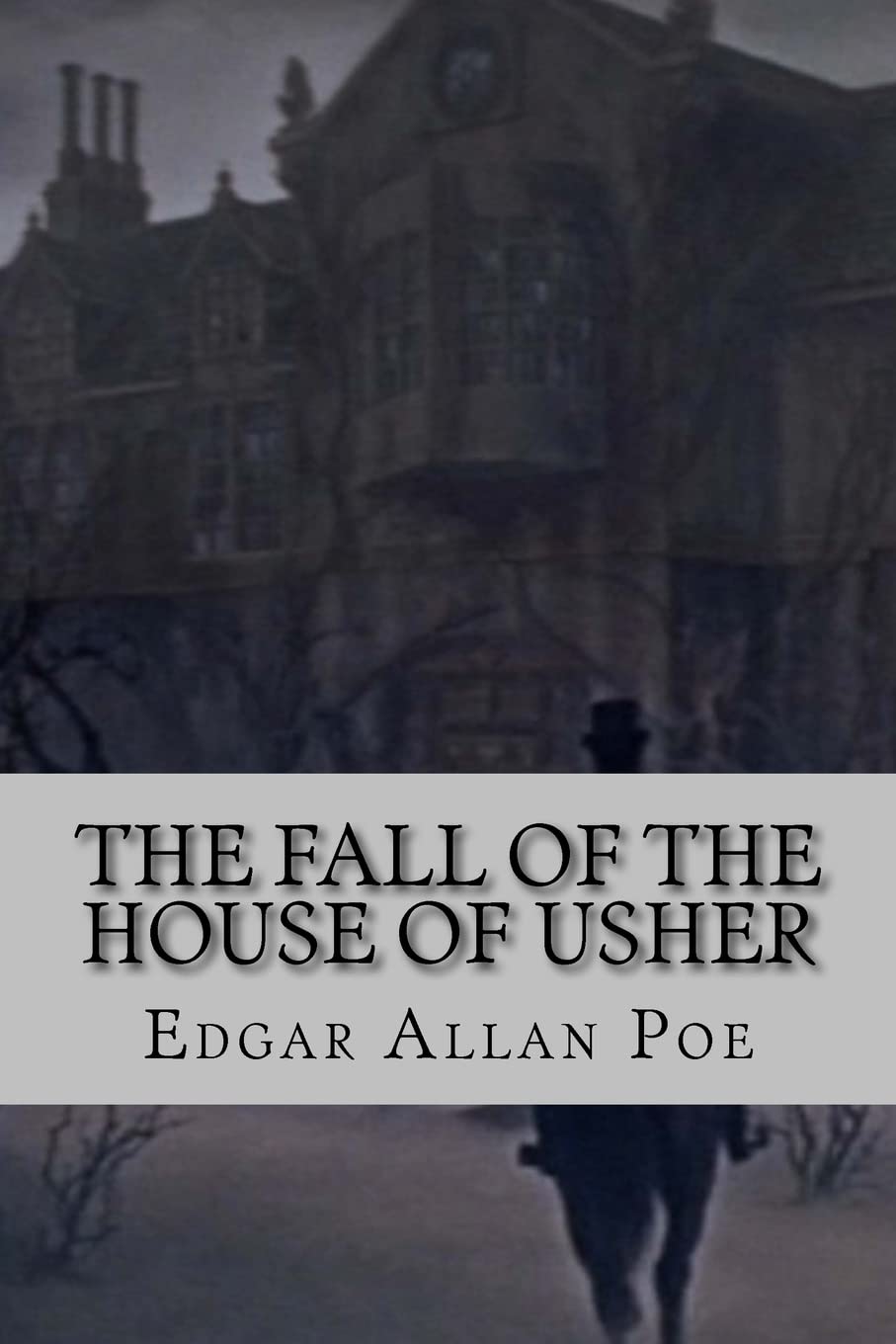
“The Fall of the House of Usher” possesses the quintessential -features of the Gothic tale: a haunted house, dreary landscape, mysterious sickness, and doubled personality. For all its easily identifiable Gothic elements, however, part of the terror of this story is its vagueness. We cannot say for sure where in the world or exactly when the story takes place. Instead of standard narrative markers of place and time, Poe uses traditional Gothic elements such as inclement weather and a barren landscape. We are alone with the narrator in this haunted space, and neither we nor the -narrator know why. Although he is Roderick’s most intimate boyhood friend, the narrator apparently does not know much about him—like the basic fact that Roderick has a twin sister. Poe asks us to question the reasons both for Roderick’s decision to contact the narrator in this time of need and the bizarre tenacity of narrator’s response. While Poe provides the recognizable building blocks of the Gothic tale, he contrasts this standard form with a plot that is inexplicable, sudden, and full of unexpected disruptions. The story begins without complete explanation of the narrator’s motives for arriving at the house of Usher, and this ambiguity sets the tone for a plot that continually blurs the real and the fantastic.
Find it on
AmazonNo videos available yet.
No news articles linked to this title yet.
No tags available.

Overall
Overall rating of the media
Atmosphere
How immersive and tense is the atmosphere
Gore
Level and quality of gore/violence
Story
Quality of the storyline and plot
Writing
Quality of the written content
Character Development
Depth and growth of characters
Pacing
Flow and timing of the narrative