
BOOK
0
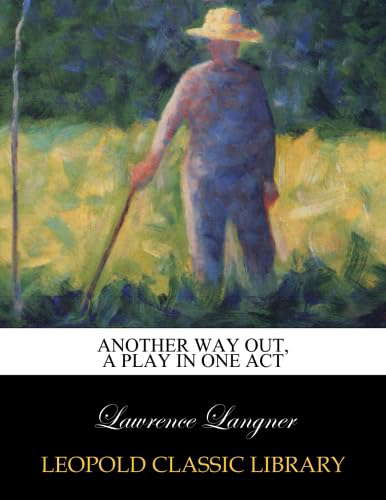
Rediscover Classic Drama with "Another Way Out"Delve into the dramatic depths of early 20th-century theatre with Lawrence Langner's "Another Way Out," a riveting one-act play that brings to life the complexities of modern relationships and artistic integrity. Originally performed by the Washington Square Players in 1916, this play offers a unique blend of wit, emotional dialogue, and vibrant characters. Set in the lively artistic milieu of New York City, the play introduces us to Pomeroy Pendleton and Margaret Marshall, two bohemian spirits challenging the conventional boundaries of love and creativity.Through Langner's sharp dialogue and memorable interactions, the play explores themes of freedom, societal expectations, and personal authenticity. The narrative unfolds in Pendleton's colorful studio, adorned with eclectic decor and the pulse of bohemian life, where every conversation and prop on stage adds layers to this thought-provoking piece. As part of the Leopold Classic Library collection, this edition ensures that the play's original charm and intent are preserved, offering readers a high-quality reproduction of the initial script, meticulously proofed for an optimal reading experience.Whether you're a theatre aficionado, a student of dramatic arts, or a lover of historical plays, "Another Way Out" offers a timeless reflection on life's perpetual themes, presented with a freshness that resonates even today. Its revival by Leopold Classic Library is a testament to its enduring relevance and appeal.
Find it on
AmazonNo videos available yet.
No news articles linked to this title yet.

Overall
Overall rating of the media
Atmosphere
How immersive and tense is the atmosphere
Gore
Level and quality of gore/violence
Story
Quality of the storyline and plot
Writing
Quality of the written content
Character Development
Depth and growth of characters
Pacing
Flow and timing of the narrative