

BOOK
0
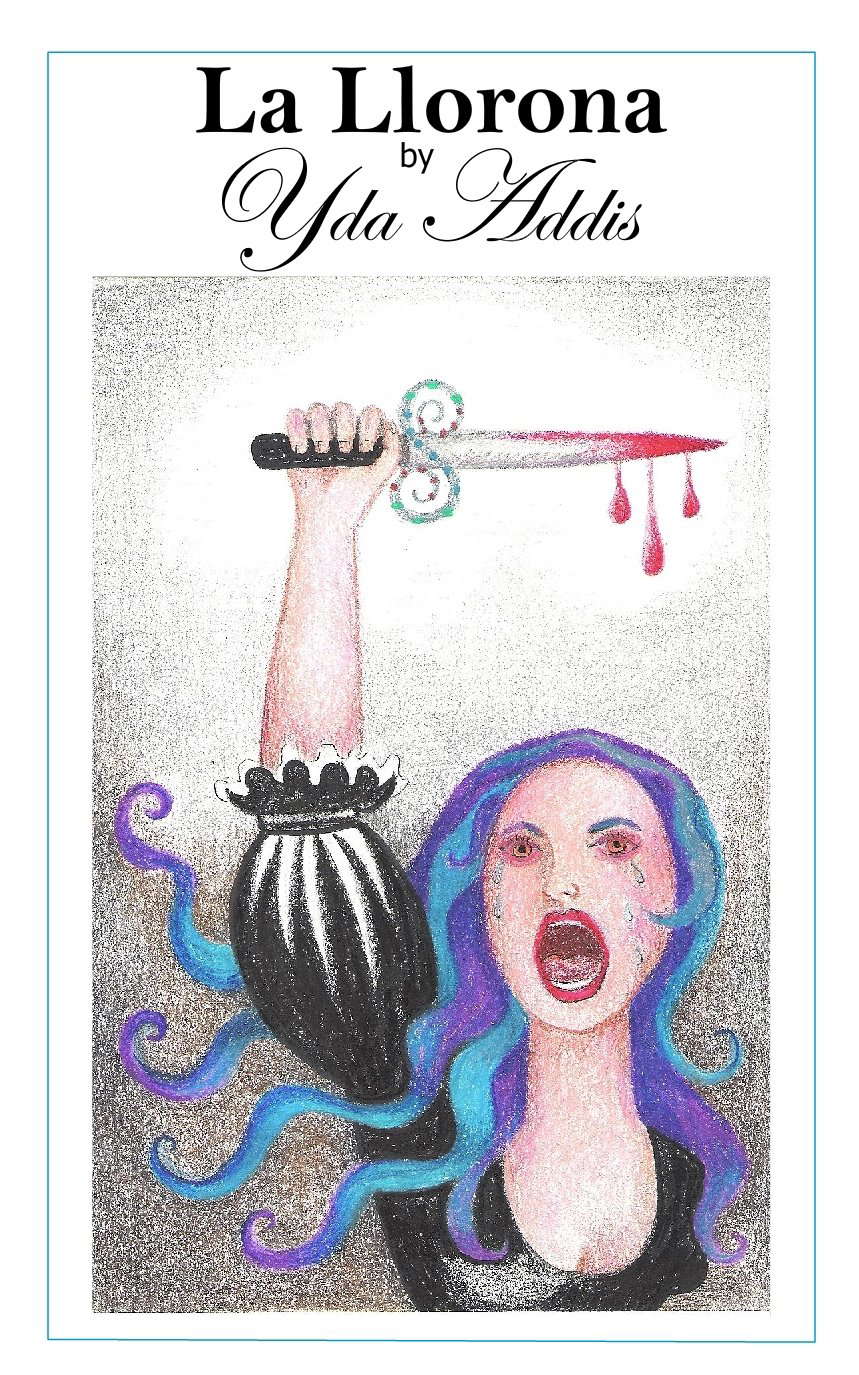
The ancient La Llorona legend most likely was invented & disseminated by the Church during early colonial Mexico. It was used to resolve the greatest problems the Church contended with and that were the Conquistadors. These men upon their arrival to Mexico felt no restraints or moral qualms about their sexual behavior. Even though some had taken the vow of Holy Matrimony and left their wives in Spain; in spite of this many were having illicit relationships with the women they met in the new land. Not only were the Conquistadores sinning, but the children born from these affairs could not be baptized. These men came to the new land to conquer, they were successful not only in war, but with women. It was not only the sons of the military tradition, but the new land provided opportunities for members of the clergy, the nobles, and the politicians. To regain control, the Church focused not upon the men, but the women. The La Llorona legend was used as a parable to teach women what could happen if they wandered from the Church's morals. For centuries the story was repeated discreetly in whispers, around late night campfires, in dark corners, and passed down through the oral tradition, considered too wicked for publication. Not until 1888 when the American writer Yda Addis brought it to her publisher Frank Pixley of the San Francisco, California, journal "The Argonaut." This ancient tale debuted not in Spanish, not in Mexico, but in English and in the United States.
Find it on
AmazonNo videos available yet.
No news articles linked to this title yet.

Overall
Overall rating of the media
Atmosphere
How immersive and tense is the atmosphere
Gore
Level and quality of gore/violence
Story
Quality of the storyline and plot
Writing
Quality of the written content
Character Development
Depth and growth of characters
Pacing
Flow and timing of the narrative