BOOK
0
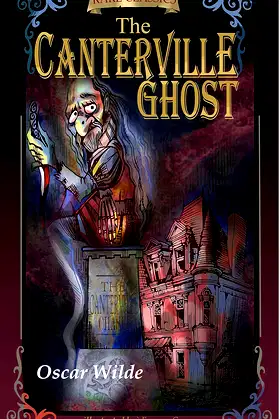
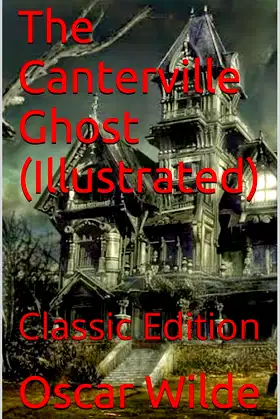
A new edition of Oscar Wilde's classic ghost story, The Canterville Ghost, one of his first published works in 1887.The Canterville Ghost is a classic novella by Oscar Wilde, first published in 1887. Set in Victorian England, it follows the story of the Otis family who move into Canterville Chase, an old manor house, unaware that it is haunted by the ghost of Sir Simon de Canterville. Despite the warnings from the housekeeper, the family are determined to stay in the house and take on the ghost, and hilarity ensues. The Canterville Ghost is a witty and humorous story that explores themes of family, courage and redemption.Oscar Wilde (1854-1900) was an Irish playwright, novelist, poet, and wit. He was one of the most prominent figures of the late Victorian era and a leading light of the Aesthetic Movement. Wilde is best known for his plays “The Importance of Being Earnest” and “An Ideal Husband”, as well as his novel “The Picture of Dorian Gray”. His work was heavily influenced by his Irish background, as well as his love of the theater. His witticisms and epigrams are still widely quoted today. Wilde was also an outspoken critic of Victorian morality, often challenging the conventions of the day. His personal life was also the subject of much controversy and he was imprisoned for two years for “gross indecency”. Wilde’s life and work have inspired generations of writers, artists, and thinkers. He is still regarded as one of the most influential writers in English literature.
Find it on
AmazonNo videos available yet.
No news articles linked to this title yet.

Overall
Overall rating of the media
Atmosphere
How immersive and tense is the atmosphere
Gore
Level and quality of gore/violence
Story
Quality of the storyline and plot
Writing
Quality of the written content
Character Development
Depth and growth of characters
Pacing
Flow and timing of the narrative