BOOK
0
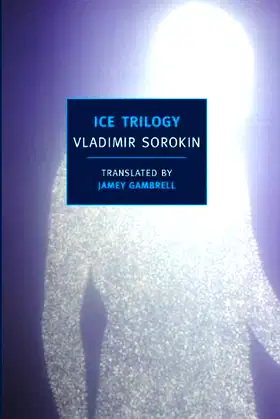
A New York Review Books Original In 1908, deep in Siberia, it fell to earth. THEIR ICE. A young man on a scientific expedition found it. It spoke to his heart, and his heart named him Bro. Bro felt the Ice. Bro knew its purpose. To bring together the 23,000 blond, blue-eyed Brothers and Sisters of the Light who were scattered on earth. To wake their sleeping hearts. To return to the Light. To destroy this world. And secretly, throughout the twentieth century and up to our own day, the Children of the Light have pursued their beloved goal. Pulp fiction, science fiction, New Ageism, pornography, video-game mayhem, old-time Communist propaganda, and rampant commercial hype all collide, splinter, and splatter in Vladimir Sorokin’s virtuosic Ice Trilogy, a crazed joyride through modern times with the promise of a truly spectacular crash at the end. And the reader, as eager for the redemptive fix of a good story as the Children are for the Primordial Light, has no choice except to go along, caught up in a brilliant illusion from which only illusion escapes intact.
Sorokin's epic trilogy, originally published between 2002 and 2005, expands the enigma of the 1908 Tunguska meteorite blast into an impressive merger of metaphysical fantasia and gritty conspiracy thriller. Following the impact, select humans realize they are actually cosmic entities and form a group called the Brotherhood in hopes of finding the way back to the Light. Though the relatively weak first book, Bro, is crippled by an excess of overwrought prose, Ice is a spectacular achievement, vividly exposing the eventual corruption and brutality surrounding even the noblest of goals, while 23,000 moves effectively outward to encompass those who fight to uncover and defeat the Brotherhood in a tense race against time. Though very slow to develop and marred somewhat by irritating redundancies and areas where disbelief is difficult to suspend, the trilogy builds into both a gripping story and an impressive metaphorical window into the 20th-century Soviet experience, offering substantial rewards to the patient and thoughtful reader. (Mar.) (c) Copyright PWxyz, LLC. All rights reserved.
Find it on
AmazonNo videos available yet.
No news articles linked to this title yet.

Overall
Overall rating of the media
Atmosphere
How immersive and tense is the atmosphere
Gore
Level and quality of gore/violence
Story
Quality of the storyline and plot
Writing
Quality of the written content
Character Development
Depth and growth of characters
Pacing
Flow and timing of the narrative