
BOOK
0
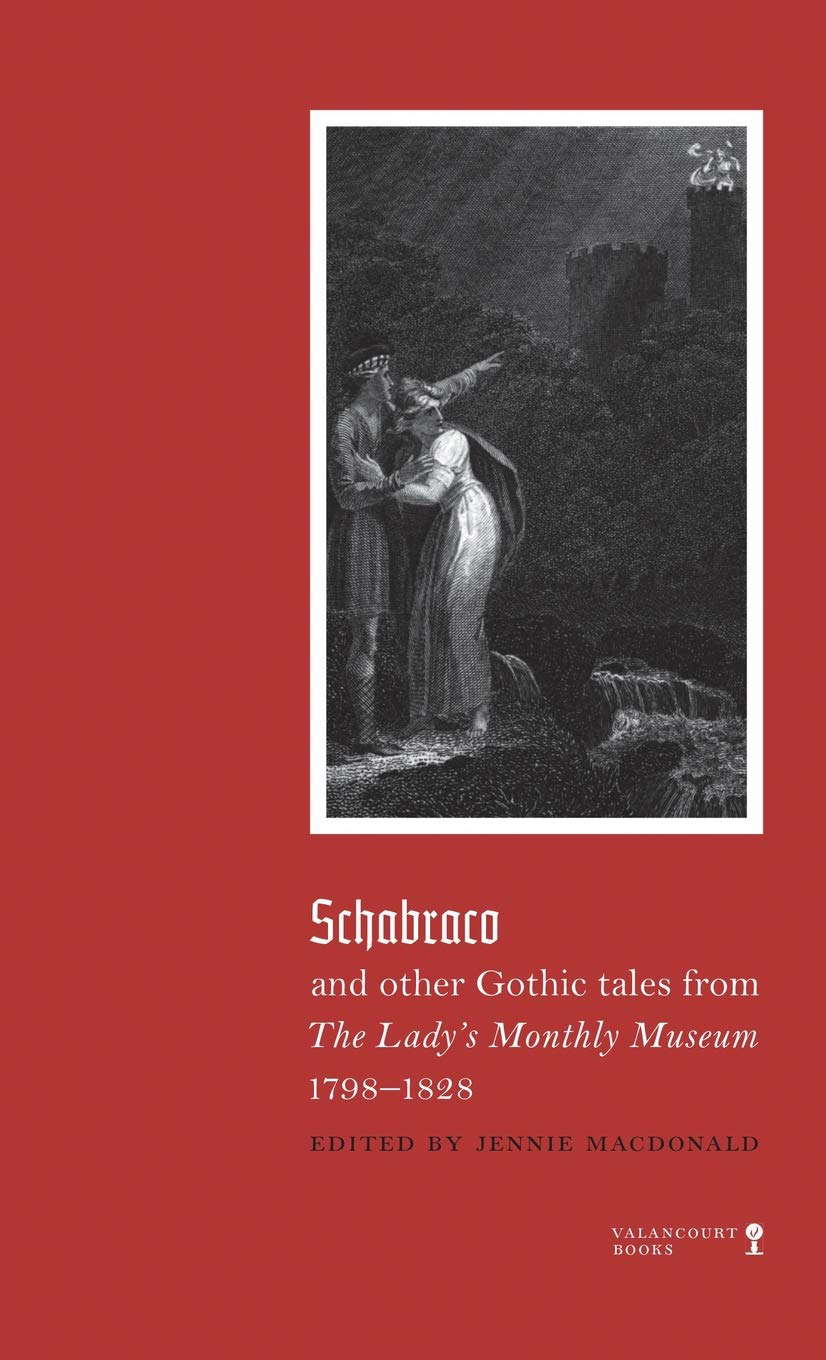
In 1798, a prospectus appeared for The Lady’s Monthly Museum, a bold new project which – in contrast to the predominance of men’s magazines at the time – would be edited by a “Society of Ladies” and would include wholesome entertainment exclusively intended for young women. But with the inclusion of the Gothic tale “Schabraco” in its second issue, the magazine attracted immediate controversy and letters questioning the publication’s morality and suitability for young ladies. Despite – or perhaps because of – the outcry surrounding “Schabraco,” the magazine went on to be an extremely popular and significant outlet of Gothic fiction for the next thirty years.Though the Gothic novels of Ann Radcliffe, Matthew Lewis, and their contemporaries have attracted considerable interest among readers and scholars in recent years, the vast output of Gothic fiction that appeared in popular magazines like The Lady’s Monthly Museum has been almost entirely ignored, probably because of lack of access to these rare texts. Now for the first time, editor Dr. Jennie MacDonald has collected the best Gothic texts from this important periodical, including novelettes, stories, fragments, poems and drama, enabling readers to discover at last a wealth of lost Gothic material. Also included are a scholarly introduction and annotations, as well as reproductions of engravings that accompanied the original publication of these tales.
Find it on
AmazonNo videos available yet.
No news articles linked to this title yet.
No tags available.

Overall
Overall rating of the media
Atmosphere
How immersive and tense is the atmosphere
Gore
Level and quality of gore/violence
Story
Quality of the storyline and plot
Writing
Quality of the written content
Character Development
Depth and growth of characters
Pacing
Flow and timing of the narrative