BOOK
0
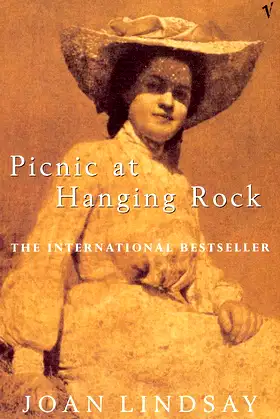
A 50th-anniversary edition of the landmark novel about three “gone girls” that inspired the acclaimed 1975 film and an upcoming TV series starring Natalie DormerWith a foreword by Maile Meloy, author of Do Not Become Alarmed It was a cloudless summer day in the year 1900. Everyone at Appleyard College for Young Ladies agreed it was just right for a picnic at Hanging Rock. After lunch, a group of three girls climbed into the blaze of the afternoon sun, pressing on through the scrub into the shadows of the secluded volcanic outcropping. Farther, higher, until at last they disappeared. They never returned. . . . Mysterious and subtly erotic, Picnic at Hanging Rock inspired the iconic 1975 film of the same name by Peter Weir. A beguiling landmark of Australian literature, it stands with Shirley Jackson’s We Have Always Lived in the Castle, Daphne du Maurier’s Rebecca, and Jeffrey Eugenides’ The Virgin Suicides as a masterpiece of intrigue.
“In the seemingly limitless pantheon of gone-girl literature, Picnic at Hanging Rock might take the prize for best setting. . . . It’s a proto-Virgin Suicides, dreamy and haunting, animated by a sense of slightly sickening erotic mystery.”
“[This] cult novel
“Pure magic. Every fashion film and NYU undergraduate thesis takes its cues from this lyrical masterpiece. In college I tried to make a satirical remake entitled Lunchtime at Dangling Boulder, but all my actors slept too late.”
“[From the] Victorian hothouse atmosphere and fetishism . . . and its focus on the burgeoning sexual curiosity of the girls (and the women) . . . to Gothic terrors, supernatural wonder, divine mysticism, or the imperialist unconscious . . . Picnic actively encourages a host of fantasies.”
“A sinister tale . . . laced with touches of other-worldliness”
“Deliciously horrific.”
“The fact that most people believed that this palpable fiction was a record of a real event is not merely a tribute to the writer . . . but a testimony to the atavistic power of its theme.”
“Beautifully haunting.”
Find it on
AmazonNo videos available yet.
No news articles linked to this title yet.

Overall
Overall rating of the media
Atmosphere
How immersive and tense is the atmosphere
Gore
Level and quality of gore/violence
Story
Quality of the storyline and plot
Writing
Quality of the written content
Character Development
Depth and growth of characters
Pacing
Flow and timing of the narrative