
BOOK
0
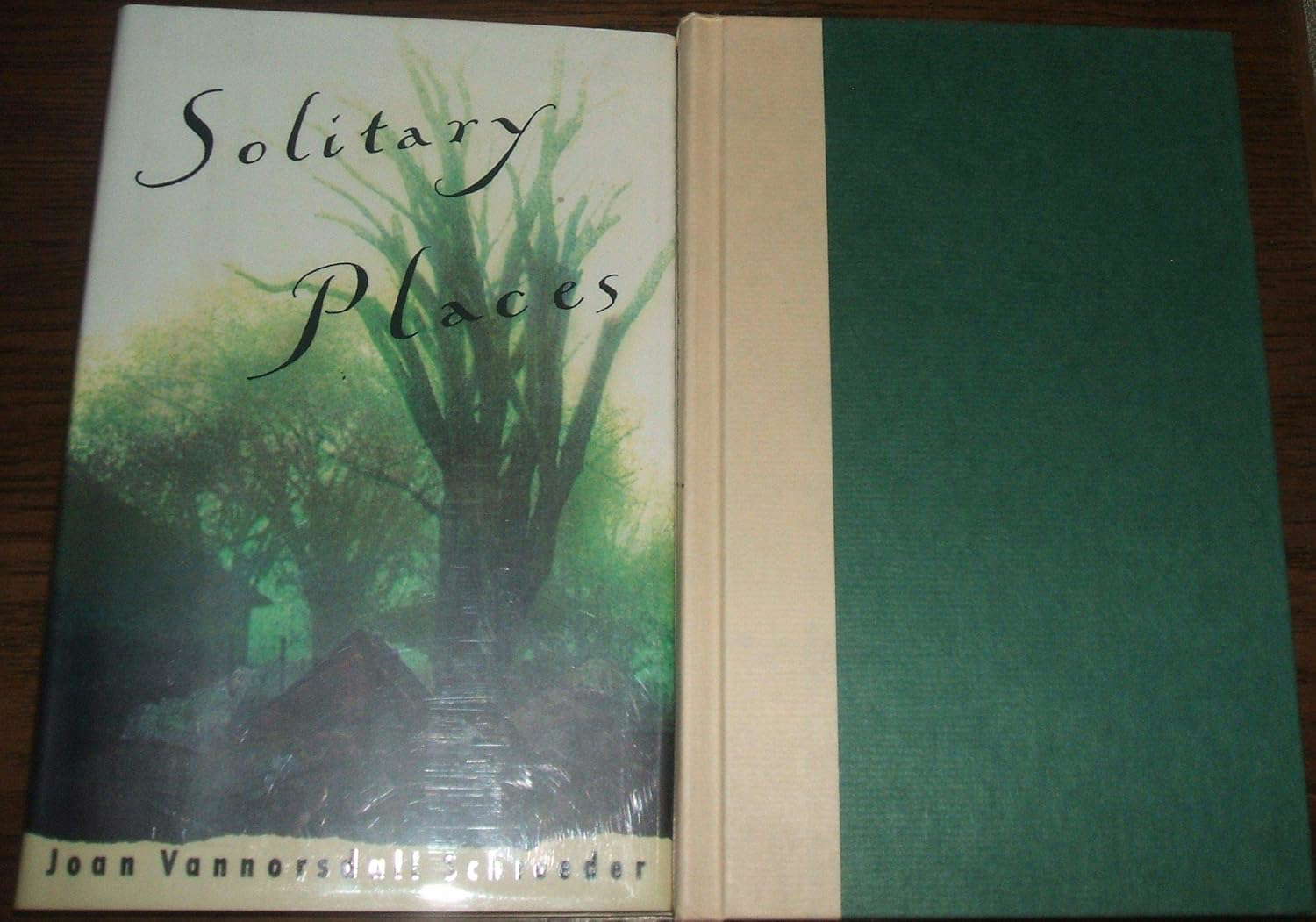
In a small Virginia mountain community, speculators break their promise to build housing on the land they purchase and construct a landfill instead, and the ensuing battle reveals what can happen when lines of friendship and tradition are crossed. Tour.
Schroeder's first novel about a small Virginia town united against a landfill operation is a politically correct but slowly paced tale. Four characters narrate in turn. The spirit of Lucy McComb, a former schoolteacher, gives voice to the past, poignantly addressing the people and the beauty of the seasons in her insular Ambrose County community. While Lucy is at relative peace, her survivors are troubled. Lucy's nephew has sold his aunt's land to the garbage company; he's now a victim of Alzheimer's, and his wife, Sarah Rose, grieves both for him and for the pollution he unwittingly allowed to occur. The criticism of Reba Walker, the garbage dump's most outspoken opponent and Sarah Rose's rival since their school days some 50 years ago, intensifies her pain. If Schroeder had based her novel on this triad of women, it might have been more cohesive. But she also includes a representative of the town's future, a 12-year-old boy whose father makes a living at the landfill. For all her effort to limn these dissimilar points of view, the narration lacks resonance. And the dialogue is uniform: while lifetime residents of a town might share a basic accent, their vocabularies and tones would diverge more than they do here. Still, Schroeder effectively maps the issues, and this is a commendable first effort. Copyright 1994 Reed Business Information, Inc.
Reba Walker is irate; dump trucks are coming in drones to her town and heading straight for what was once Lucy McComb's property. Lucy's nephew and wife unknowingly sold the property to crooks who have since turned it into a landfill. Now, the runoff from the garbage is contaminating ponds, rivers, and soil, a problem for the predominantly agricultural town of Cedar Creek. Stepping into action, Reba organizes a group to lobby for the closing of the landfill. Through this struggle, generations of people once in conflict are united. With each chapter told by a different character, Schroeder's excellent first novel uniquely details a town's fight against environmental waste problems. Although the ending is a weak parody of waste and sin, the reader is pulled through the book easily. Recommended.Lisa Degliantoni, "Library Journal"Copyright 1994 Reed Business Information, Inc.
In a first novel based on her own experiences in shutting down a landfill operation in Virginia, Schroeder filters the plot through four alternating narrators who tell the story of how a small rural town regains a sense of community. When Reba Walker finds her mother's cemetery marker toppled over by garbage from the dump operating directly across the street, she gets mad; then she starts organizing grassroots support to shut down the operation of the speculators who initially promised to build housing but instead put in a dump. She discovers that most of the garbage is from out of state, primarily from the North, and with Dixie fervor rallies her neighbors, and even some of the local dump workers, to her cause. Mentored by a newspaper columnist from Richmond, Reba learns to tone down her act as she confronts the governor and the state water supervisor and is interviewed by news stations from across the country. Schroeder has drawn an almost perfect portrait of an activist in stubborn, hard-nosed Reba, whose tunnel vision and raw candor animate the town's organizing efforts. Schroeder conveys a complex environmental message with heartfelt prose and winning characters. Joanne Wilkinson
This better-than-average debut--about rural citizens in Collier, Va., fighting to close down a dump for out-of-state garbage--works because it tackles personal details and lets the big story take care of itself. The author, herself active in a group opposed to a similar Virginia landfill, uses a slow, soothing tone that sometimes makes it difficult to differentiate between the various first-person narratives. She does have a few impressive tricks up her sleeve, however. One of the narrators, Lucy McComb, is a dead woman who sees and knows all, including the destruction of her property to create the dump after her demise. Another, straight-talking Reba Walker, is elected head of Save Our Mountain Environment and leads the group to Richmond to protest to the state government; she also dresses the residents of the nursing home where she works in Save Our Mountain Environment T-shirts. Her nemesis, Sarah Rose McComb, is married to Lucy McComb's nephew, who sold Lucy's land believing that houses would be built there. Since then he has been diagnosed with Alzheimer's, and Sarah is left running ``a break-even store and a farm that was crumbling around [her] ears.'' The novel has its problems. Sarah never seems a formidable enough opponent for Reba, and several long sections that seem at first like digressions take too long to reveal their significance to the story. But Schroeder renders the details of rural life with a clear, sentiment-free eye, and Reba is a feisty heroine: When a television news magazine reporter comments that she promised to bring back some quilts from Collier, Reba wonders what her chances are of selling the woman an old electric blanket instead. Like an elderly relative telling stories--some great, a few dull--and with a canny subtext. -- Copyright ©1994, Kirkus Associates, LP. All rights reserved.
Find it on
AmazonNo videos available yet.
No news articles linked to this title yet.

Overall
Overall rating of the media
Atmosphere
How immersive and tense is the atmosphere
Gore
Level and quality of gore/violence
Story
Quality of the storyline and plot
Writing
Quality of the written content
Character Development
Depth and growth of characters
Pacing
Flow and timing of the narrative