
BOOK
0
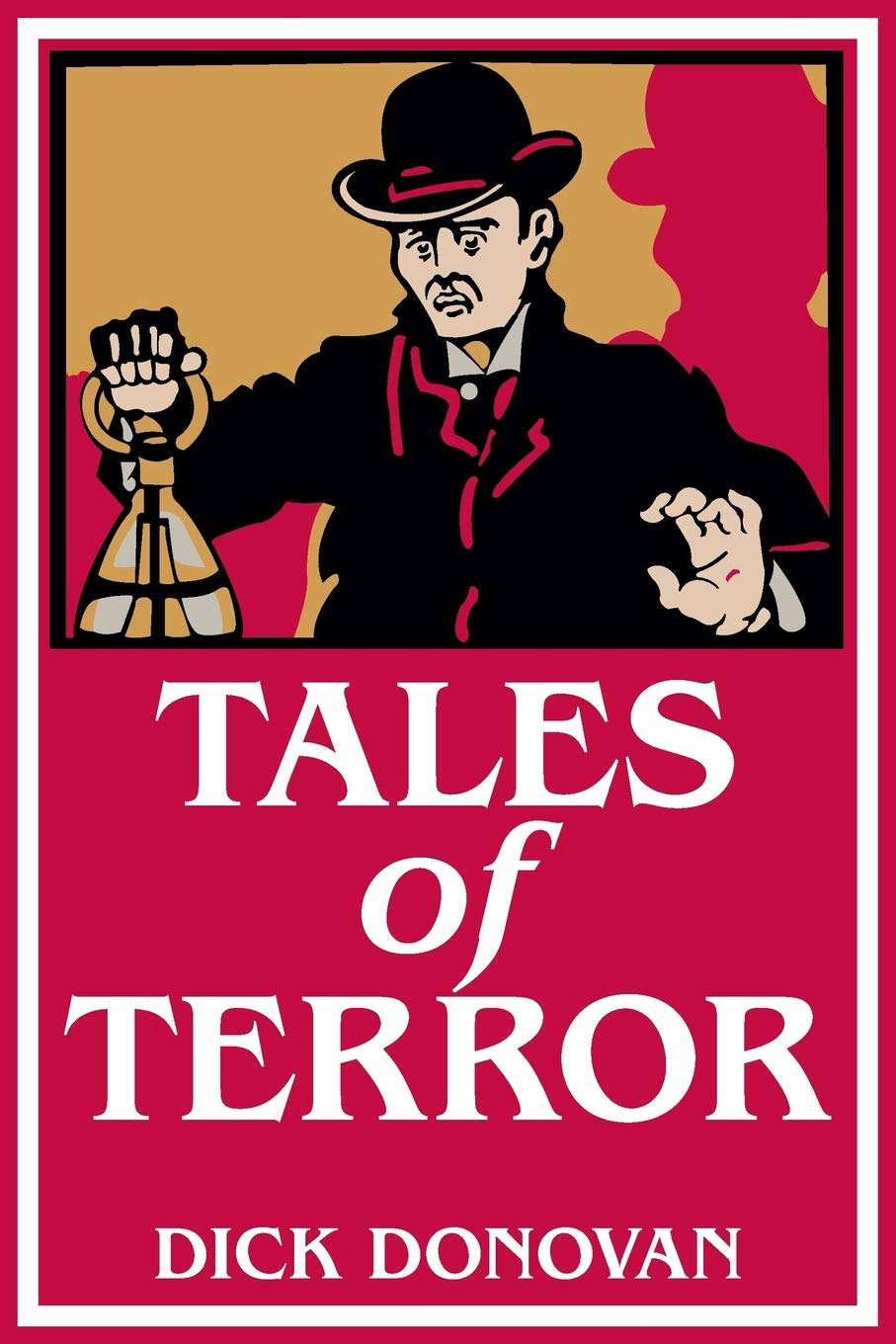
A collection of fifteen short horror tales from one of the nineteenth century’s most popular authors. Although Dick Donovan is not that well known today, he was a prolific author rivalling Arthur Conan Doyle.Dick Donovan was the nom de plume of James Edward Preston Muddock (1843–1934), also known as Joyce Emmerson Preston Muddock. Muddock was a prolific British journalist and author of mystery and horror fiction. Between 1889 and 1922 he published nearly 300 detective and mystery stories and, for a time, his detective stories were as popular as those of Arthur Conan Doyle. Muddock travelled to India when he was fourteen years of age and his later career as a journalist allowed him to travel to China, the USA and Australia. He used his extensive knowledge of the world to good effect in the short stories collected in this volume. One of the characters in Muddock’s detective fiction was the Glaswegian detective, Dick Donovan. This character became so popular and well known that Muddock started publishing stories using Dick Donovan as his pen name. Muddock also wrote true crime stories, horror, and thirty-seven novels, mostly as Dick Donovan. Despite his prolific output, Muddock had few publications after about 1920 and died in 1934, relying on his daughters to support him at the end of his life. This new edition of Tales of Terror from Solis Press features short annotations as footnotes that explain some aspects of the stories that nowadays might be less well understood.
Find it on
AmazonNo videos available yet.
No news articles linked to this title yet.

Overall
Overall rating of the media
Atmosphere
How immersive and tense is the atmosphere
Gore
Level and quality of gore/violence
Story
Quality of the storyline and plot
Writing
Quality of the written content
Character Development
Depth and growth of characters
Pacing
Flow and timing of the narrative