

BOOK
0
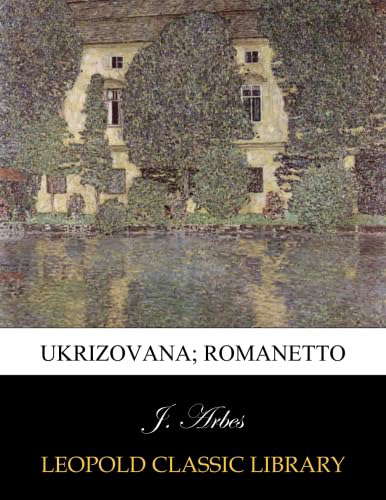
Step into the world of Czech literature with **"Ukřižovaná: Romanetto"** by Jakub Arbes, a masterful work that transcends time. Written in the late 19th century, this psychological novel takes readers on an intense journey through the life of a young student in Prague, whose encounters with the enigmatic Father Schneider lead him into a spiral of existential dread and religious torment. The narrative, rich in symbolism and philosophical musings, explores themes of faith, madness, and the clash between science and religion. The vivid depiction of mid-19th century Prague and the protagonist’s internal battles offer a profound reflection on the human condition.**Key Features:**Genre: Romanetto, blending elements of gothic fiction, psychological drama, and philosophical inquiry.Historical Context: Set in 1856 Prague, capturing the societal tensions and intellectual movements of the time.Philosophical Depth: Explores complex themes such as the conflict between rationalism and faith, the nature of reality, and the impact of religious dogma on the human psyche.Atmospheric Setting: Detailed descriptions of Prague’s urban landscape enhance the novel’s gothic and melancholic tone.Jakub Arbes’ "Ukřižovaná" is a significant piece of Czech literature that continues to resonate with readers interested in existential themes and historical narratives. This meticulously restored edition ensures that the original text's richness is preserved for modern readers.
Find it on
AmazonNo videos available yet.
No news articles linked to this title yet.
No tags available.

Overall
Overall rating of the media
Atmosphere
How immersive and tense is the atmosphere
Gore
Level and quality of gore/violence
Story
Quality of the storyline and plot
Writing
Quality of the written content
Character Development
Depth and growth of characters
Pacing
Flow and timing of the narrative