

BOOK
0
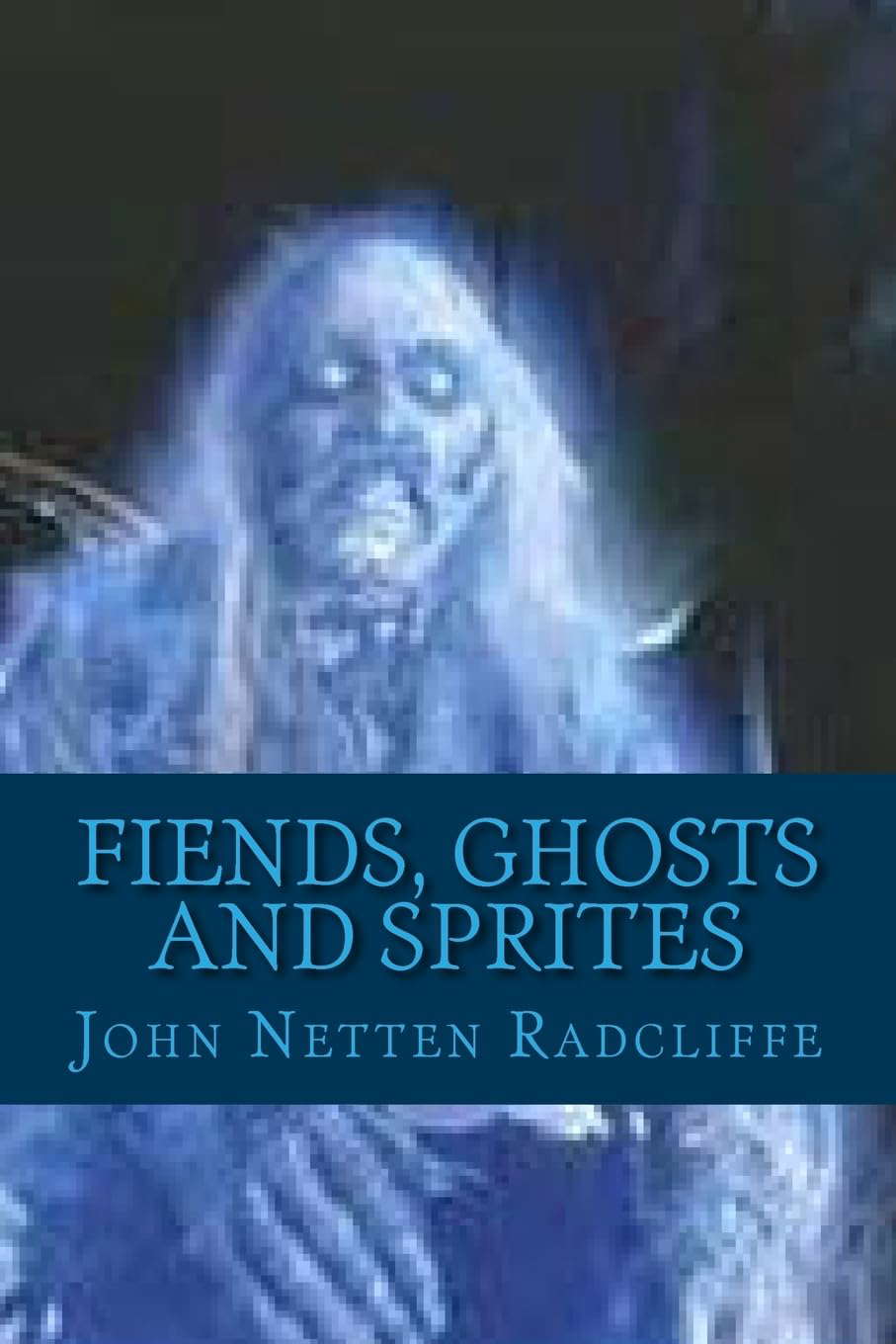
A belief in the supernatural has existed in all ages and among all nations. To trace the origin of this belief, the causes of the various modifications it has undergone, and the phases it has assumed, is, perhaps, one of the most interesting researches to which the mind can be given,—interesting, inasmuch as we find pervading every part of it the effects of those passions and affections which are most powerful and permanent in our nature. So general is the belief in a supreme and over-ruling Power, possessing attributes altogether different from and superior to human powers, and bending these and the forces of nature to its will, that the thought has been entertained by many that it is inborn in man. Such a doctrine is, however, refuted by an acquaintance with the inlets and modes of obtaining knowledge; by the fact that reason is necessary to its discovery; and by its uselessness.[1] "There are neither innate ideas nor innate propositions; but there is an innate power of understanding that shows itself in primitive notions, which, when put into speech, are expressed in propositions, which propositions, decomposed, produce, under the influence of abstraction and analysis, distinct ideas."[2] Others have asserted and maintained that man derives his knowledge of the existence of Deity, and, consequently, of the supernatural, from the exercise of reason upon himself and his own powers by self-reflection. If he reflects upon the wonderful power of liberty and free-will which he possesses, on his relation to surrounding beings and things, and particularly on his imperfect, limited, and finite powers, it is argued that the antithetical proposition of infinite must of necessity be admitted. "I cannot have the idea of the finite and of imperfection without having that of perfection and of infinite. These two ideas are logically correlative."[3] Or if man extends his reasoning powers to the study or the contemplation "of the beauty, the order, the intelligence, the wisdom, and the perfection displayed throughout the universe; and as there must of necessity be in the cause what is witnessed in the effect, you reason from nature to its author, and from the existence of the perfection of the one you conclude the existence and perfection of the other."[4] But many theologists maintain that the knowledge of a Deity, and of the existence of supernatural beings, is derived solely from revelation; and stern and prolonged have been the struggles in this country between the upholders of the rival tenets.
Find it on
AmazonNo videos available yet.
No news articles linked to this title yet.

Overall
Overall rating of the media
Atmosphere
How immersive and tense is the atmosphere
Gore
Level and quality of gore/violence
Story
Quality of the storyline and plot
Writing
Quality of the written content
Character Development
Depth and growth of characters
Pacing
Flow and timing of the narrative