Skip to content
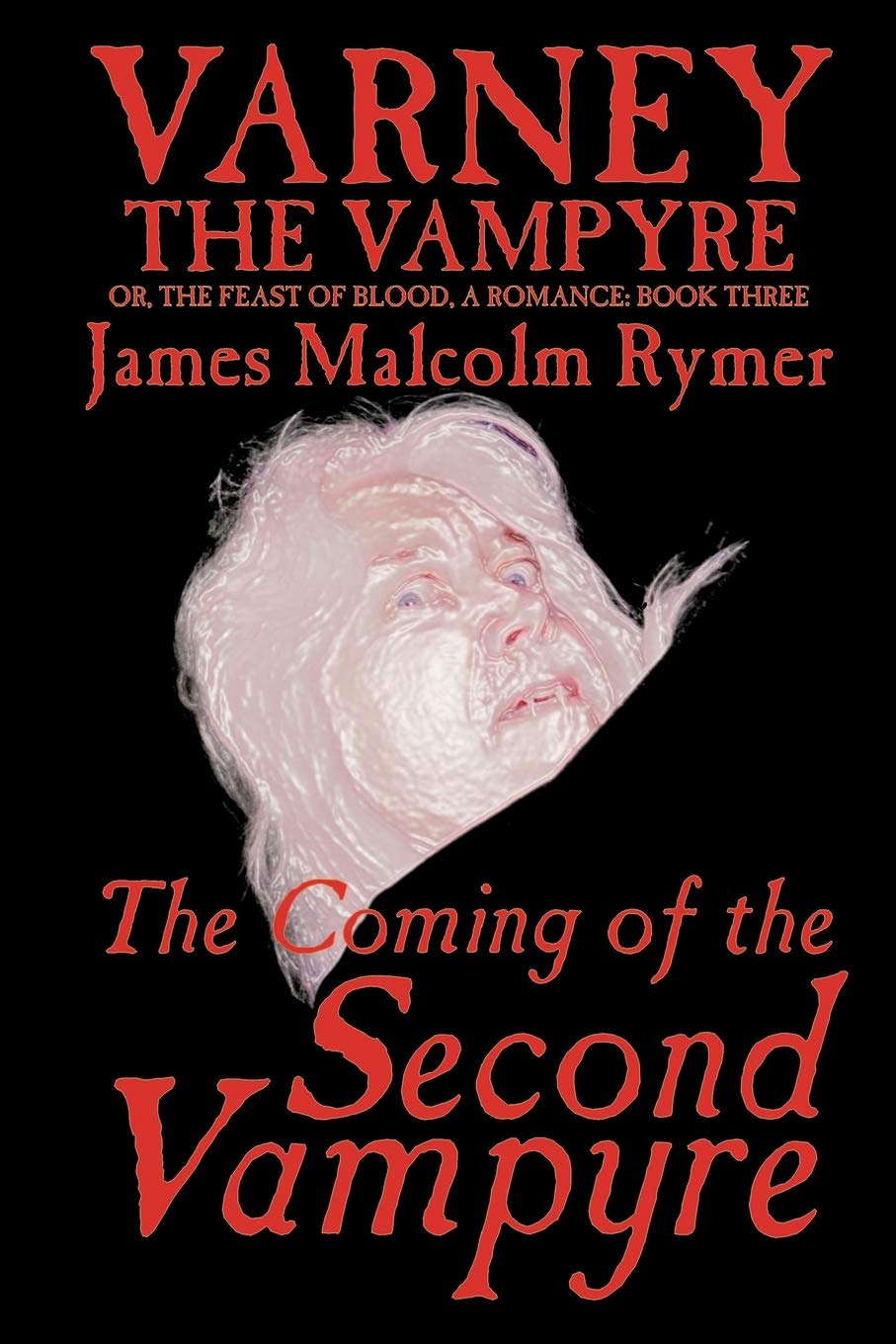
Varney the Vampyre: Volume III, The Coming of the Second Vampyre poster

Varney the Vampyre: Volume III, The Coming of the Second Vampy...

Varney the Vampire first appeared in 1845-47 as a series of weekly cheap pamphlets of the kind then known as "penny dreadfuls". The story was published in book form in 1847. It is of epic length: the original edition ran to 876 double-columned pages and 232 chapters. Altogether it totals nearly 667,000 words. Despite its inconsistencies, Varney the Vampire is more or less a cohesive whole. It is the tale of the vampire Sir Francis Varney and introduced many of the tropes present in vampire fiction recognizable to modern audiences.

About the Author

James Malcolm Rymer (1814-1884) was a British nineteenth century writer of penny dreadfuls and is the co-author with Thomas Peckett Prest of both Varney the Vampire (1847) and The String of Pearls (1847), in which the notorious villain Sweeney Todd makes his literary debut. Information about Rymer is sketchy. He was of Scottish descent, though born in Clerkenwell, London on 1 February 1814. In the London Directory for 1841 he is listed as a civil engineer, living at 42 Burton Street and the British Museum catalogue mentions him in 1842 as editing the Queen's Magazine. Between 1842 to the 1867 he wrote up to 115 popular novels for the English bookseller and publisher, Edward Lloyd, including the best-sellers Ada the Betrayed, Varney the Vampyre and The String of Pearls. Rymer's novels appeared in England under his own name as well as anagrammatic pseudonyms such as Malcolm J. Errym and Malcolm J. Merry.

Find it on

Amazon

Reviews

No videos available yet.

News

No news articles linked to this title yet.

Bottom star pattern decoration

Varney the Vampyre: Volume III, The Coming of the Second Vampyre Ratings

Overall

Overall rating of the media

0.0 0 ratings

Atmosphere

How immersive and tense is the atmosphere

0.0 0 ratings

Gore

Level and quality of gore/violence

0.0 0 ratings

Story

Quality of the storyline and plot

0.0 0 ratings

Writing

Quality of the written content

0.0 0 ratings

Character Development

Depth and growth of characters

0.0 0 ratings

Pacing

Flow and timing of the narrative

0.0 0 ratings