
BOOK
0
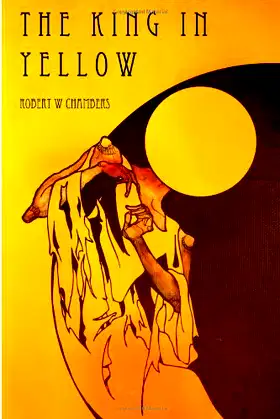
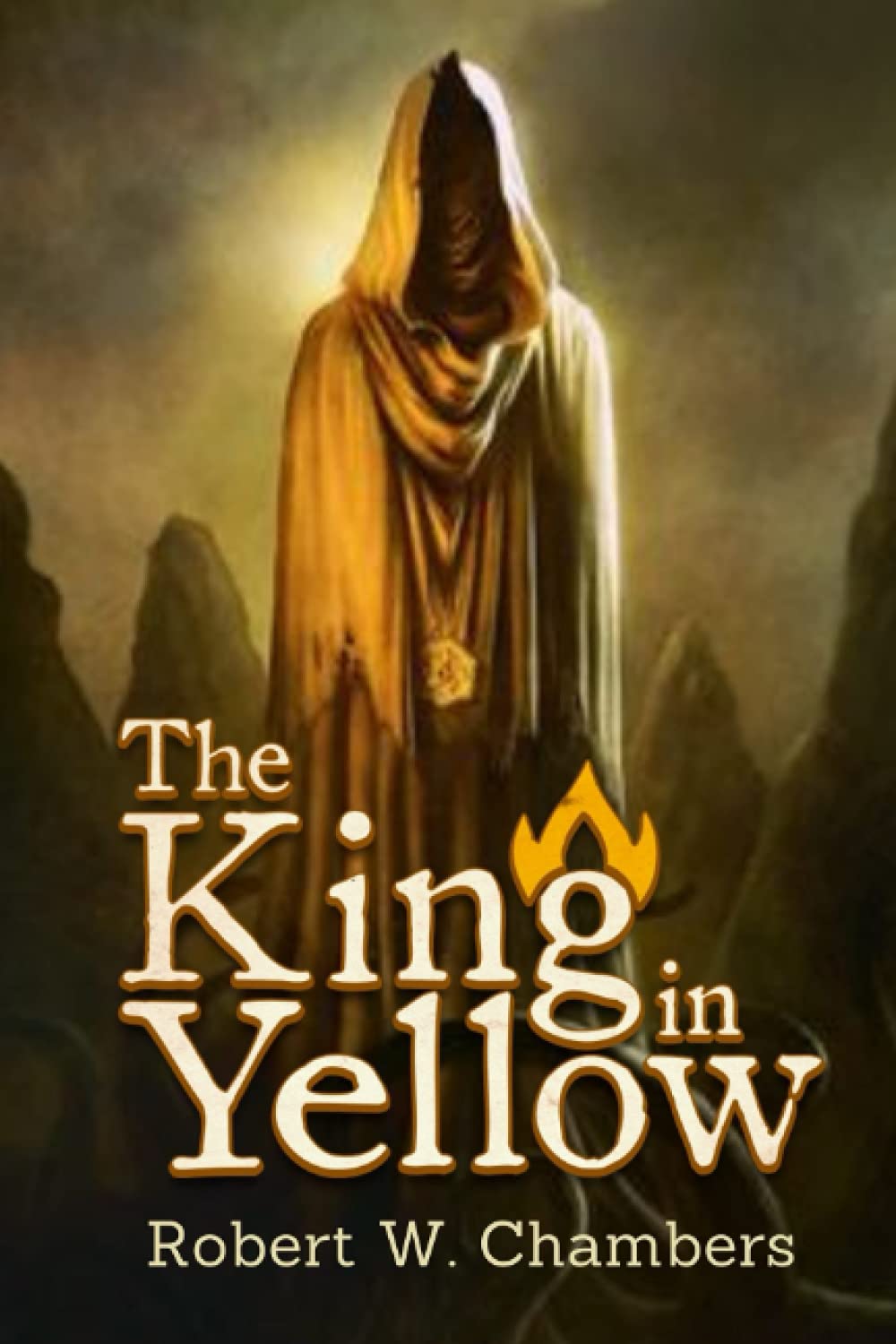
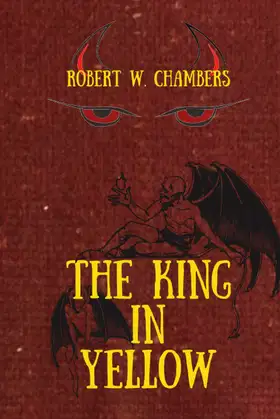
The King in Yellow is a collection of short stories written by Robert W. Chambers and published in 1895. The stories could be categorized as early horror fiction or Victorian Gothic fiction, but the work also touches on mythology, fantasy, mystery, science fiction and romance. The first four stories in the collection involve a fictional two-act play of the same title: The King in Yellow.The first four stories are loosely connected by three main devices:A play in book form entitled The King in Yellow.A mysterious and malevolent supernatural entity known as The King in Yellow.An eerie symbol called the Yellow Sign.The color yellow signifies the decadent and aesthetic attitudes that were fashionable at the turn of the 19th century, typified by such publications as The Yellow Book, a literary journal associated with Oscar Wilde and Aubrey Beardsley. It has also been suggested that the color yellow represents quarantine — an allusion to decay, disease, and specifically mental illness. For instance, the famous short story The Yellow Wallpaper, involving a bedridden woman's descent into madness, was published shortly before Chambers' book.These stories are macabre in tone, centering on characters that are often artists or decadents. The first story The Repairer of Reputations, is set in an imagined future 1920s America, whose history, being at odds with the knowledge of the reader, adds to the effect of its unreliable narrator. The next three are set in Paris at the same time.
Find it on
AmazonNo videos available yet.
No news articles linked to this title yet.

Overall
Overall rating of the media
Atmosphere
How immersive and tense is the atmosphere
Gore
Level and quality of gore/violence
Story
Quality of the storyline and plot
Writing
Quality of the written content
Character Development
Depth and growth of characters
Pacing
Flow and timing of the narrative