
BOOK
0
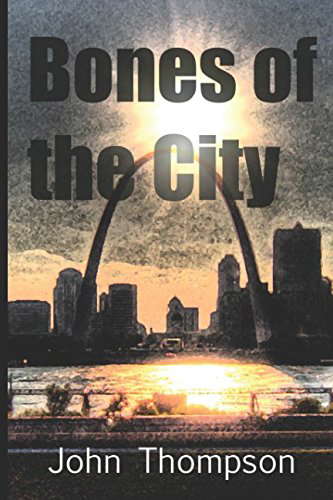
Saint Louis is an old city, old for the United States anyway. But the City we now call Saint Louis is much older than the United States; as old as any human habitation on the North American continent. Before the 20th century Saint Louis was known informally as Mound City; the area was marked by the Mound Builders, a prehistoric society that lived, dreamed, died and was buried under the streets we walk on today. If you believe some part of a human goes on after we die, the streets of the City are much more crowded than we realize. You can think of the City as an analogy of a human body. The inhabitants are the living cells—ephemera—living and dying without being noticed by the City itself, though other cells associated with the newly dead may be aware of some lingering impact. But the streets and the buildings, they are the bones of the City, stony, rigid, strong but brittle. Without them, the City has no shape, no form. The streets and buildings grow like a coral reef, recent construction crusting over the previous layers, so you have a mix of the old and the new. That’s what makes old Cities interesting. That’s what makes Saint Louis interesting. And when some of the cells of the City—the ephemerals—wander into some of the older parts of the reef, interesting things can happen. The settings of this book are inspired by actual locations in and institutions of the City of Saint Louis. The events and individuals described are inventions of the author.
Find it on
AmazonNo videos available yet.
No news articles linked to this title yet.
No tags available.

Overall
Overall rating of the media
Atmosphere
How immersive and tense is the atmosphere
Gore
Level and quality of gore/violence
Story
Quality of the storyline and plot
Writing
Quality of the written content
Character Development
Depth and growth of characters
Pacing
Flow and timing of the narrative