
BOOK
0
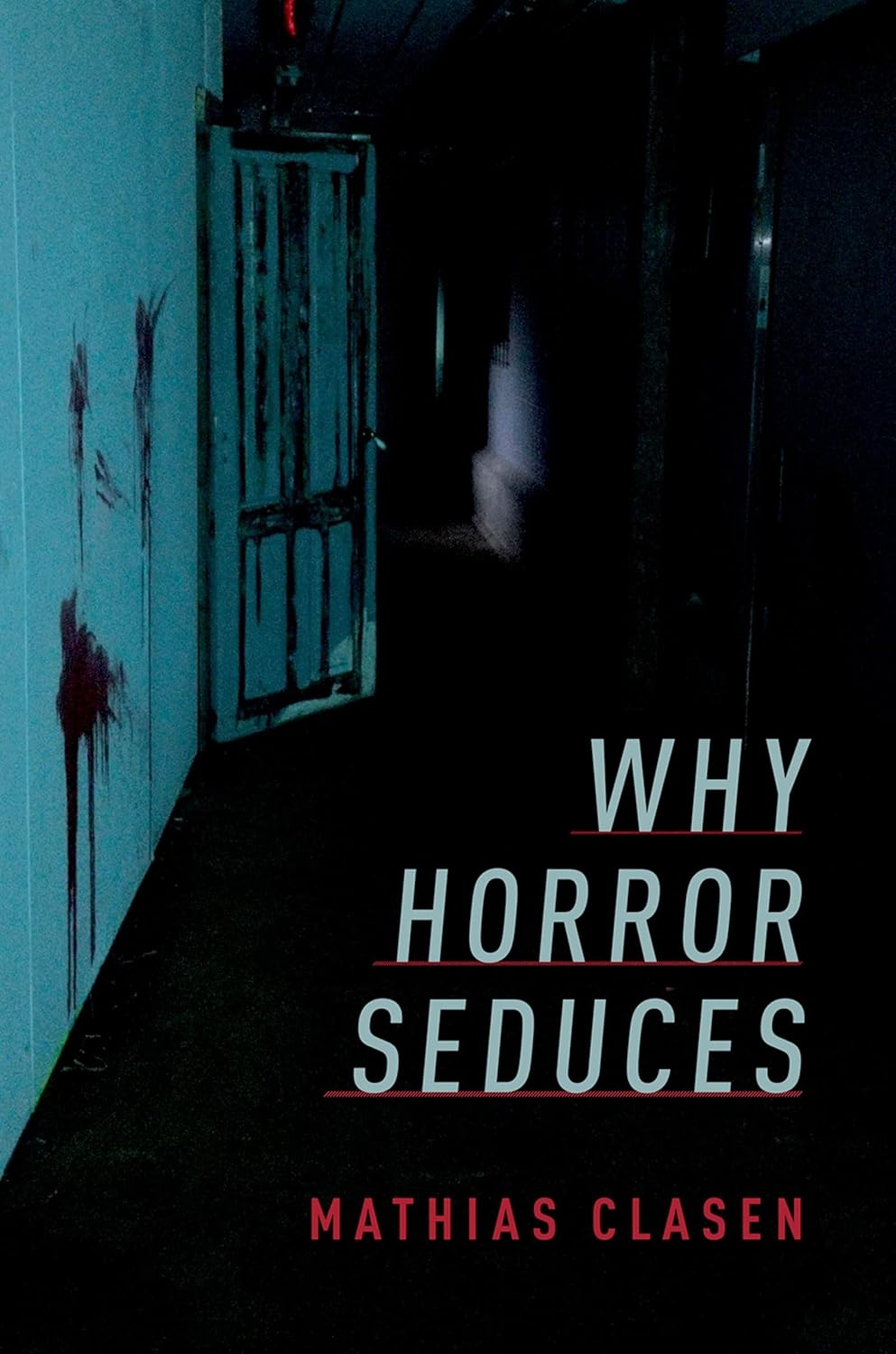
From vampire apocalypses, shark attacks, witches, and ghosts, to murderous dolls bent on revenge, horror has been part of the American cinematic imagination for almost as long as pictures have moved on screens. But why do they captivate us so? What is the drive to be frightened, and why is it so perennially popular? Why Horror Seduces addresses these questions through evolutionary social sciences.Explaining the functional seduction of horror entertainment, this book draws on cutting-edge findings in the evolutionary social sciences, showing how the horror genre is a product of human nature. Integrating the study of horror with the sciences of human nature, the book claims that horror entertainment works by targeting humans' adaptive tendency to find pleasure in make-believe, allowing a high intensity experience within a safe context. Through analyses of well-known and popular modern American works of horror--Rosemary's Baby; The Shining; I Am Legend; Jaws; and several others--author Mathias Clasen illustrates how these works target evolved cognitive and emotional mechanisms; we are attracted to horrifying entertainment because we have an adaptive tendency to find pleasure in make-believe that allows us to experience negative emotions at high levels of intensity within a safe context. Organized into three parts identifying fictional works by evolutionary mode--the evolution of horror; evolutionary interpretations of horror; the future of horror--Why Horror Seduces succinctly explores the cognitive processes behind spectators' need to scream.
Find it on
AmazonNo videos available yet.
No news articles linked to this title yet.

Overall
Overall rating of the media
Atmosphere
How immersive and tense is the atmosphere
Gore
Level and quality of gore/violence
Story
Quality of the storyline and plot
Writing
Quality of the written content
Character Development
Depth and growth of characters
Pacing
Flow and timing of the narrative