
BOOK
0
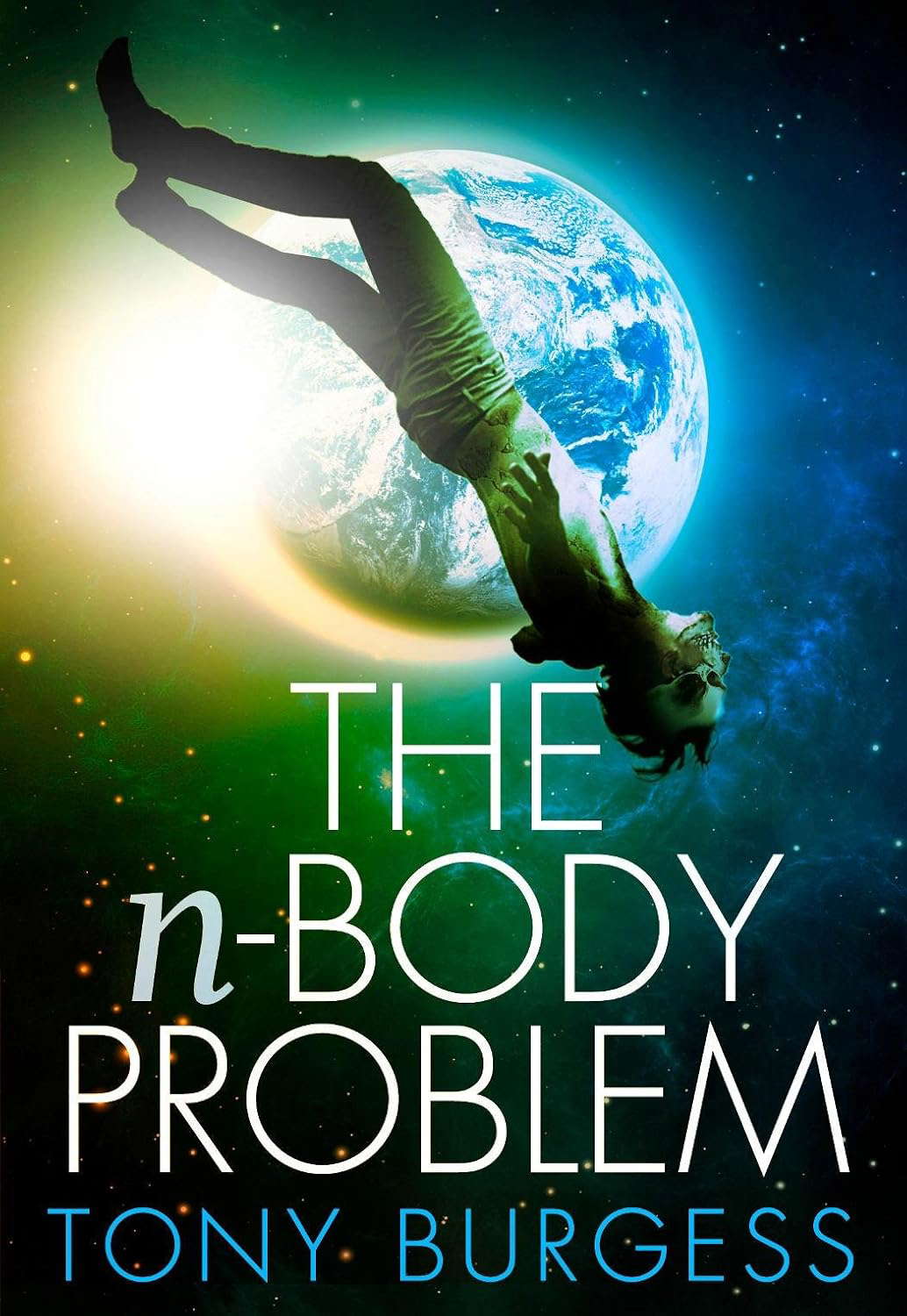
In the end, the zombie apocalypse was nothing more than a waste disposal problem. Burn them in giant ovens? Bad optics. Bury them in landfill sites? The first attempt created acres of twitching, roiling mud. The acceptable answer is to jettison the millions of immortal automatons into orbit. Room enough and a view. Soon, earth's near space is a mesh of bodies interfering with the sunlight, having an effect on our minds that we never saw coming. Aggressive hypochondria, rampant depressive disorders, irresistible suicidal thoughts. Life on earth slowly became not worth living. Heaven had moved in too close. We all knew where we were going and it was just up there, just far enough to never, ever leave.
A generation ago, the zombie uprising proved anticlimactic, the undead posing no real danger to the living. In stark contrast, efforts to deal with vast number of corpses — by catapulting millions of into them into space — had the undesired side-effect of dooming the people of Earth. WasteCorp, the corporation that devised and managed the space solution, is dedicated to urging people on their way; Sellers wander the world convincing entire communities to commit mass suicide. Glenn Dixon is one such Seller, a master of manipulation stalked by the novel's hapless narrator, himself once a Seller turned bounty hunter. Dixon proves finely adapted to his blighted world; his opponent is less fortunate, consigned to defeat and humiliation as he documents the last days. Barely more than a novella, the work nevertheless manages to provide a massive tome's worth of violence and depravity. Uninhibited by any sort of logic or realism, Burgess (Pontypool Changes Everything) is free to revel in torture and execution, dismemberment and nihilism, crafting a self-slain world where the worst prosper and would-be altruists are harshly punished. The author shows considerable talent at this questionable pursuit, offering the world a memorably repellent, absurdist vision of a dying planet. (Oct.)
“. . . Burgess’s prose is confident, poetic and even, at times, beautiful.”
“Tony Burgess . . . is one of this country’s most distinctive indie-alternative voices.”
“Burgess brings something original and fresh to the psycho-noir tradition . . . . With books like Waste, Bloody Women, The Disassembled Man and short stories like ‘Hold You,’ ‘Pillow Talk’ and ‘Carpaccio’ it looks like the psycho-noir is experiencing a bit of a renaissance for those readers willing to seek them out and People Live Still in Cashtown Corners is a worthy addition. Recommended.”
“After finishing People Live Still in Cashtown Corners, you won’t know whether to applaud Burgess’ impressively large literary cohones or arrange to have him committed to the nearest mental health facility.”
“Tony Burgess combines lyricism with graphic, cinematic violence.”
“Buy all his books.”
Find it on
AmazonNo videos available yet.
No news articles linked to this title yet.

Overall
Overall rating of the media
Atmosphere
How immersive and tense is the atmosphere
Gore
Level and quality of gore/violence
Story
Quality of the storyline and plot
Writing
Quality of the written content
Character Development
Depth and growth of characters
Pacing
Flow and timing of the narrative