BOOK
0
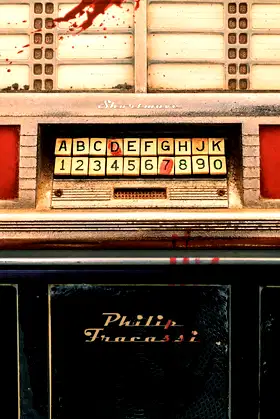
Mike Sullivan is a rookie cop in late nineteenth-century Los Angeles. There are only seventy officers on the squad, and they still ride horses on patrol. The city population reaches over one million, and crime increases with the growth; but Mike is a cop, ready to face any foe. Or so he believes.When the Adelaide docks at San Pedro and off-loads two bodies that weren't on the manifest the L.A. force is placed on alert. An old sailor tells Mike that the deaths were the work of a vampire who rounded the horn on this last voyage of the season. Mike is skeptical until the sailor pulls out a copy of Bram Stoker's Dracula and suggests that Mike might find answers in there.As Mike delves deeper into the mystery he is distracted: by his mother's serious illness and his love for Jennifer Fitzgerald, the woman he hopes to marry. But he must set all this aside. Having finished the book, Mike realizes that the old sailor is right: a vampire hunts the streets of Los Angeles. Conventional police work and his skill with his firearms will no longer be enough. But what will it take to get his fellow officers to believe and how will Mike protect those he loves from the horrors of night when L. A. Screams?
Mike Sullivan is a rookie cop in late nineteenth-century Los Angeles. There are only seventy officers on the squad, and they still ride horses on patrol. The city population reaches over one million, and crime increases with the growth; but Mike is a cop, ready to face any foe. Or so he believes. When the Adelaide docks at San Pedro and off-loads two bodies that weren't on the manifest the L.A. force is placed on alert. An old sailor tells Mike that the deaths were the work of a vampire who rounded the horn on this last voyage of the season. Mike is skeptical until the sailor pulls out a copy of Bram Stoker's Dracula and suggests that Mike might find answers in there. As Mike delves deeper into the mystery he is distracted: by his mother's serious illness and his love for Jennifer Fitzgerald, the woman he hopes to marry. But he must set all this aside. Having finished the book, Mike realizes that the old sailor is right: a vampire hunts the streets of Los Angeles. Conventional police work and his skill with his firearms will no longer be enough. But what will it take to get his fellow officers to believe and how will Mike protect those he loves from the horrors of night when L. A. Screams?
I told them everything, starting with a synopsis of the story Stoker hadwritten. ... When I ran out of things to say, I stopped talking.The only sound was the fire crackling in the fireplace. I was standingby the hearth, and I leaned against the mantle for support. The peace of theevening had been shattered. I should have kept my mouth shut. Hadn't Idecided that my mother didn't need to be worrying herself about this? I washer son, her only child, and I was a cop. I should have protected her from theugliness of my job. She read me like I'd read the book in my hands."Michael," she held out her hand, a firmness in her voice that I hadn'theard in a while. I crossed over to her, took her hand. She pulled me down untilI was sitting beside her. "Michael, this is not the sort of thing that you hidefrom those you love." She laid her hand on my lips as I started to protest. "Listento me, son. Most of what you see from day to day is just your work--the evil,malicious, and nonsensical things that people do to themselves and to each other.Normally we don't need to know what you know, hear about what you've spentthe day dealing with, unless it involves someone we know or is a story worthtelling. But this ... This ..." she paused, as much at a loss for words as the restof us. "This evil touches us all."
L.A. SCREAMSThe Cop and The VAMPIRE Series Book 1By SU BODDIEiUniverse, Inc.Copyright © 2013 Su BoddieAll rights reserved.ISBN: 978-1-4759-9148-2 CHAPTER 1A SHIP DOCKS AT SAN PEDRO"OKAY, ROOKIE, PUT THE TOYS away. Cap wants to see us in hisoffice." I looked up at Sam Gallagher, my longtime friend and newpartner. What I saw was a tall young man, twenty-three years old—brownand brown, as we cops say. His hair was a bit long, to my wayof thinking, but then, maybe it was jealousy. My red mop had tobe kept short in order to keep it tame. I glanced down at the "toys"laying on the scarred wooden surface of my desk: a pair of fourteen-year-old,nickel-finished Colt 45 six-shooters. I sighed and got to myfeet. I knew most of the others thought my guns to be old-fashionedsince most of them now carried the 1890 Remington revolvers, butmy father gave the Colts to me when I joined the force this year, andthey worked just fine. I wrapped them in the cloth I'd been usingto oil them, put them away in the drawer, and went, with Sammy,to see what the captain wanted. I'd strap them on when it was timeto head out. I glanced at the big calendar page hanging on the walloutside Cap's office. It was Monday, November 19, 1900. The month,the year, and the century were almost over.The muster room was crowded. Cap had called in everyone hecould reach. There were seventy of us on the force; I counted fifty-sevenheads, perched everywhere: in the chairs, around the walls,even on the sills of the windows that looked out on the city of LosAngeles. I wondered if I had missed something important."Boys, we got us a mess." Cap was trying to look at all of usat once. "A ship, the Adelaide, docked at the port two nights ago,unloaded its cargo and crew, same as always. Except this time acouple of bodies came off the boat, too. They are at the doc's officeright now. He said he thinks it may have been typhoid fever."The room went still—the kind of still that falls over a roomwhen they hear something really awful. Murder wasn't unheard of inour teeming city, but this is the first time since I became a cop thatI'd heard of typhoid fever. Of course, I'd only been a cop for ninemonths, so what did I know?"Most of you know what we have to do." The old-timers nodded,but most of the younger ones just looked as blank as I felt. "Whydon't you get going, and I'll fill the rookies in." This should havebeen funny, but no one was laughing as they filed out of the room.The captain turned his chair so he could look out the window andthen sat down, heavily. At six feet even and about 180 pounds withhis guns on, sitting down heavily was not something Cap usually did.Somehow he managed it this time. The six of us "rookies" waited asquietly as we knew how.In truth I was the only raw rookie having just gotten my star.The others had been on the force for up to two years. I figured it wasour lack of knowledge of what we were dealing with that lumpedus together. I looked at Sammy, who'd been on the force over a yearalready. Even though we were separated in age by almost two years,he and I have been friends forever, and we could read each other—thoughhe's a lot better at it that I am. He seemed to understand whatCap was talking about, although he waited as quietly as the rest of usto see what we were going to do about it, whatever "it" was.When I became one of the first to pass the new entrancerequirements just being implemented, it was expected that theywould make us partners, so, naturally, they weren't going to, untilSammy talked them into it. I don't know what he told the captain,but it worked. Now Sammy looked worried. It must have beensomething he'd heard about that he'd never discussed with me,which was unusual. He saw me looking, shrugged, and started to saysomething, but Cap turned from the window at that moment."Listen up, you guys." The captain hadn't found whatever he waslooking for outside. "What we have to do is locate everyone who wason that ship, legally or illegally, and get them checked out. And we'vegot to do it fast. We're talking about a crew of from fifty to sixty men.And I understand that there were a few passengers aboard, also."Several of the guys groaned. I wasn't feeling too happy myself.Los Angeles had blossomed to 102,000 souls—with eight to ten fancyhotels that were almost always full. Those sailors had a three-daystart and had probably visited every brothel and bar between hereand the docks. They could be anywhere by now, spread over thetwenty miles that separated the pueblo of Los Angeles from the portat San Pedro. And what about those passengers all the ships comingto California these days seemed to carry—men with no money,coming out here to find gold or silver or a new life, with or withouttheir families? Now I understood why the old-timers had looked sohopeless as they left to organize the search. The hours that ticked offthe days and nights of November in this year of our Lord 1900 werenot as troublesome as in the past, but they were still pretty rowdy,and a man could disappear for days, if he wanted to. I returned myattention to what Cap was saying."I have copies of the ship's crew manifest. Some of the sailors arelocal boys, so they ought to be easy to find. Sammy, you and Mikeget some help and go looking for them. The rest of you will join thehunt for the other crewmembers. You'll start at the flophouses andwork out from there, and you'll have to backtrack all the way downto the docks at San Pedro. Let's just hope most of 'em were too tiredor too moral to go looking for company, just got drunk and turnedin their first few days on dry land." Cap didn't sound too hopeful, buthe tried a smile. It didn't work. "Those of you who get all the wayto San Pedro may have to bed down along the trail on the way back.If there's someplace to stash the sailors overnight, fine. Otherwiseyou may have to chain them together, keep them from running off.Okay, beat it. Report in when you get back. I'll round up the rest ofthe force and get them working on this as soon as I can."Sammy stopped at my desk, adjusting his hat, and watched mereload my weapons. One of the things that I thought would helpmake me a good cop was the speed with which I could break down,clean, reassemble, and reload my guns. In Los Angeles, a town thatwas only a hard two-day ride to the coast and was growing up arounda river, it was a good skill to have. There had been floods everywinter from 1888 to 1891, so I had practiced, a lot. No one ever hadto worry about my being out of the action just because the Coltsgot wet. I glanced at Sam as I strapped on my gun belt. Among thethings that made us friends was that he never made fun of me, notseriously, anyway, especially about those Colts. I had no idea that I'dever come face-to-face with a problem my guns couldn't help mesolve. That just shows how green I really was.John M. Glass, who had been chief of police since 1889, hadmoved the force from city hall to its current location at West SeventhStreet and Grand Avenue. The department came of age under ChiefGlass. He had originated the first entry-level standards for recruitapplicants, standards that Sammy and I had met easily, and hehad conceived of, given birth to, and nursed a new level of policeprofessionalism. People used to call the new location "the temporarypolice department"—I could never tell if they were saying the policewere temporary or our new quarters were. After eleven years veryfew called it that anymore. Now it was Central Station Headquarters.We had more space, for ourselves and for our horses, but I wonderedif it was supposed to be a joke of some sort. Earlier that year theAutomobile Club of Southern California was established. CentralStation was located across the street from the Pioneer Auto Exchange.I hated the thought that we'd have to start using those devil machinesin place of our horses. I'd heard talk, but I tried not to listen.As Sammy and I left headquarters, headed for the stables outback where we all kept our mounts, Sam told me what he knewabout this typhoid fever thing. Sammy was always a good storyteller,fitting himself to the cheerfulness or seriousness of the story he wastelling. In this case, he was as serious as I'd even seen him. "This isexactly what we joined up for," he said. "To protect the people fromthemselves and from each other.""We'll have to be real careful around these guys, won't we?" Ididn't try to hide the fact that I was scared; Sammy knew me well,so he knew it already."More than you realize, Rookie." He smiled ruefully. "Cap toldme that in a bunch of telegrams he got from New York was sort of awarning. There's an outbreak of typhoid fever going on back there.We'll have to be careful, make sure none of these guys are carryingthe sickness, keep our gloves on, and not eat or drink anything anyof these men touch."Sammy swung his saddle across his horse's back. "We may haveto burn our gloves at the end of each day, depending on what wefind out there.""What?" I nearly dropped my saddle. "You mean we're going tohave to buy new gloves? Every day?" I looked at him closely; maybehe was just teasing me. Maybe.Sammy smiled, and this time it reached his eyes. He knew I wastrying to save up so I could have something to offer Jennifer besidemyself, when I finally got up the nerve to ask her to marry me."Don't you have any extra pairs?" He made it a question.I shook my head. "I haven't gotten around to it.""Well, then, I guess the wedding will just have to wait a littlelonger, that's all." Sammy gave me that look."No, I am not going to ask Dad for money. You know I want todo this on my own.""Okay, it's your life." Sammy bent to check the cinch. I couldtell he was still smiling. We had this conversation often enough. WeSullivans weren't all that rich, but my dad had done pretty well forhimself as a gunsmith, and I'd grown up comfortable. Sammy and Iboth knew that Dad was just waiting for me to ask and I could getmarried tomorrow and move into a brand-new house. But what I'dsaid was true; I wanted to do this on my own."At least Ethel will have Jennie to keep her company whilewe're out looking for those men." My face must have broadcastedhow shocked I felt. "Well, you don't think I'm going home, doyou?" Sam went on. "Until we get this mess cleaned up and knowfor certain that none of us is sick, I'm bunking at the jail, and you'dbetter resign yourself to it." He shook his head. "I am not going totake the chance of her getting sick with her time so near. I want tobe there, beside her." His expression was grim as he looked at me."I want to be there, but I'm not going to take any chances, with heror with the baby."We mounted up, turned our horses toward the gates, and headedout for the homes of the sailors who lived in Los Angeles. I heardsome ominous sounds from the Auto Exchange as we rode by. I didmy best to tune them out.About half of the names on our list would take us into theSpanish section to the homes of those men who were married orwho lived with their families. We'd both been there before; sailorswere always a rowdy bunch when on land. Sammy reviewed the listof names that Cap had given us, working out, in his head, the bestroute to follow. While we rode I thought over what Sam had saidabout not going home until this was over."I wish I had asked her to be my wife before all this got started,"I mumbled. Of course Sammy heard me. Somehow Sammy seemsto hear everything I say. He didn't say anything this time, though,just nodded his head. We headed east on Seventh Street, heading forAlameda. We would work our way back westward from there.Central Station was a three-story brick building with a kindof dormitory on the third floor. Rooms for talking with suspectsshared space with the captain's office and the general meeting roomon the second, and lockup cells lined the walls on the first. Usuallythe new cops without families or wives would stay there until they'dmade enough to get a place of their own. Occasionally a fella like mewould come along, who just wanted to start out on his own, prove tohimself and his family that he could stand on his own two feet. Halfthe department was made up of guys who'd come to the pueblo fromsomeplace else. Since I'd made the force I'd been staying up theremost nights with just one other rookie, a guy from somewhere inTennessee. Now it looked like we were going to have company. Theywould probably house the ship's captain and his officers elsewhere,but that only eliminated fifteen to twenty men. Things might be abit crowded for a while.In 1882, the Los Angeles Telephone Company received permissionto erect telephone poles in the city, and the service had grown fromthose seven subscribers and three operators. But not everyone had areceiver yet. The station had one but Jennie's family hadn't gottenaround to having one put in their new house. Not only would I notbe able to see her, I wouldn't be able to talk with her—unless I stoodoutside and talked with her through the window, and I wasn't sureher family would appreciate that. I didn't like the way this situationwas shaping up. I didn't like it at all.CHAPTER 2ROUNDUPOUR PART OF THE SEARCH took up the next two days. We had tenmen left to locate from that list of addresses the captain had givenus. This list also mentioned whether or not they were married andwho else was in the household. Most of them were single, living withtheir parents and siblings. We went into the Spanish district in thecompany of Officers Diego Garcia and Ramón Lopez, the "help" thecaptain had told us to get. We didn't really need those two—no onegrew up in Los Angeles without learning something that sounds likeSpanish—but their presence always helped calm the citizens.A lot of people had an unhealthy fear of lawmen; our Spanishcitizens were no different and were more likely to pretend tonot understand us. It was funny, sometimes, to hear them call usAmericans. I'd always thought that we were all Americans, but Iguess I can see how they wouldn't feel that way. After all, beforeCalifornia became a state, most of this land had belonged to theirfamilies. It had only been fifty years; the wounds were still raw."It isn't really that they are afraid; they just don't want to talkwith us." How did he do that? I looked over at Sammy. He justsmiled and shook his head. "Does it really bother you that I can oftentell what you're thinking?""No, it bothers me that you can usually tell what I'm thinking!"I tried to sound stern, but I didn't really mind. That was what bestfriends did. Right?Each of us held the reins of two spare mounts. It was too muchto expect that these sailors would own extra horses; these men werenot landsmen. Some of them came from wealth, but they weren'tgoing to turn their livestock over to the police. We gave up tryingto convince them that we'd send the horses back or that they wouldbe ridden home by whomever we had detained. We'd borrowedthe extra animals from a couple of the stables that keep the forcesupplied with mounts. It was easier and more dignified to let a manride a horse than to tie him into a wagon. We had transport wagonsavailable, but Sammy and I preferred not to use them. The streets inthe Spanish section, which was also the oldest part of the town, werepaved with cobbled stone. The iron-shod feet of our horses made itimpossible to approach quietly. It had been a mild fall; the air wassweet with mimosa and jasmine, which grew in nearly every yard.The pine trees that grew everywhere didn't do much to block outthe thin winter sunlight. It was a beautiful day. If only my thoughtswere equally cheerful.We followed the same routine at each house: a quiet knock on thedoor, a smile, and a question. It was usually the mother who openedthe door. "Buenos días, señora. ¿Está su hijo en casa?"She was more likely to produce her son if we didn't show theguns. With our new hip-length, blue serge uniform coats, this waseasy. If we kept the coats buttoned and didn't move around too much,the guns wouldn't bulge. Of course the bright shiny badge pinnedto the left of the buttons was a dead giveaway but was not otherwisethreatening. If the husband was home he was generally the one tokick up a fuss. Only one of the first four families gave us any trouble,generally a rapid-fire denunciation about loss of freedoms and strong-armtactics by the police. With the weapons out of sight it was easierto maintain the appearance of a peaceful visit. (Continues...)Excerpted from L.A. SCREAMS by SU BODDIE. Copyright © 2013 Su Boddie. Excerpted by permission of iUniverse, Inc.. All rights reserved. No part of this excerpt may be reproduced or reprinted without permission in writing from the publisher.Excerpts are provided by Dial-A-Book Inc. solely for the personal use of visitors to this web site.
Find it on
AmazonNo videos available yet.
No news articles linked to this title yet.

Overall
Overall rating of the media
Atmosphere
How immersive and tense is the atmosphere
Gore
Level and quality of gore/violence
Story
Quality of the storyline and plot
Writing
Quality of the written content
Character Development
Depth and growth of characters
Pacing
Flow and timing of the narrative