
BOOK
0
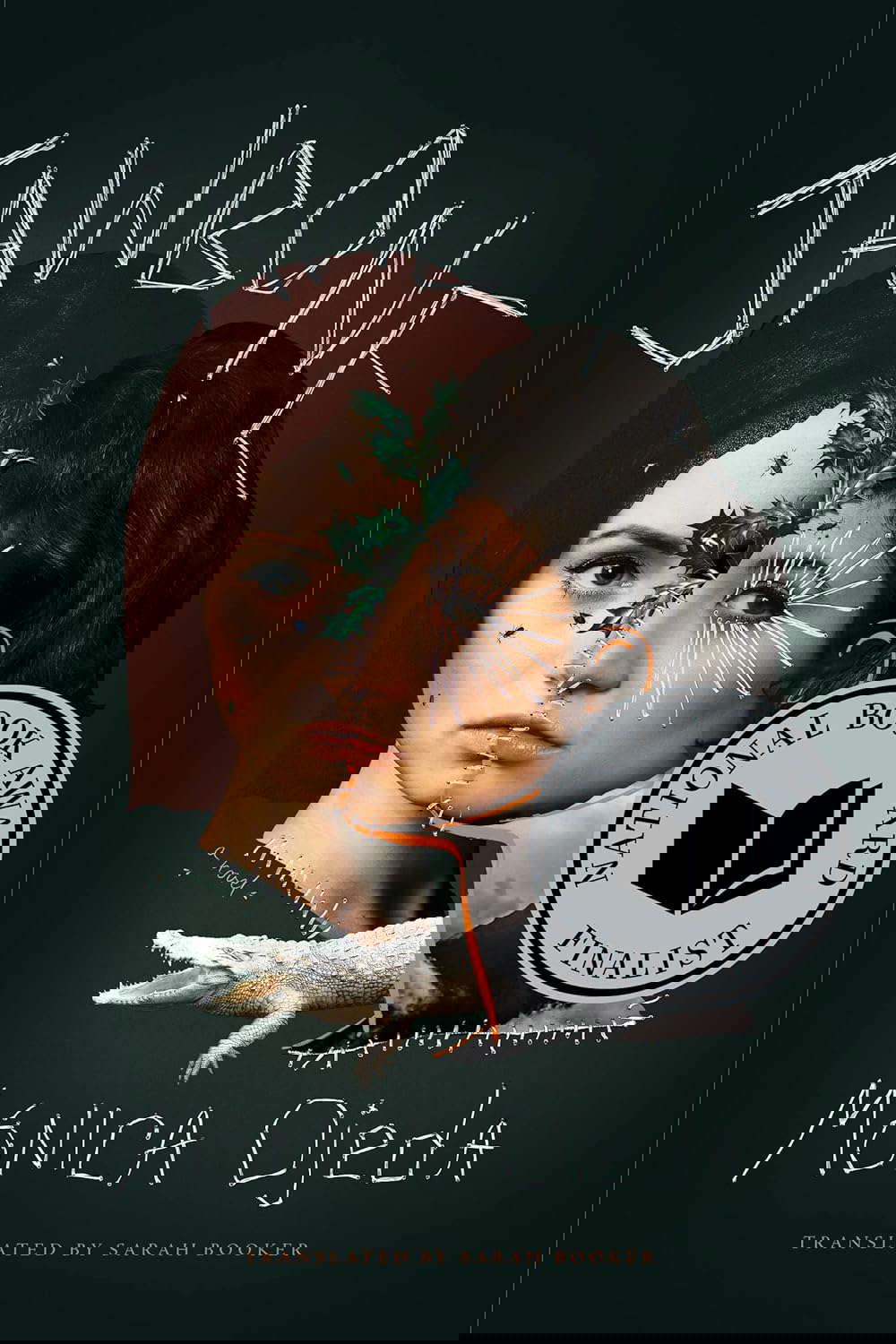
Finalist for the 2022 National Book Award in Translated Literature!“Was desire something like being possessed by a nightmare?”Fernanda and Annelise are so close they are practically sisters: a double image, inseparable. So how does Fernanda end up bound on the floor of a deserted cabin, held hostage by one of her teachers and estranged from Annelise?When Fernanda, Annelise, and their friends from the Delta Bilingual Academy convene after school, Annelise leads them in thrilling but increasingly dangerous rituals to a rhinestoned, Dior-scented, drag-queen god of her own invention. Even more perilous is the secret Annelise and Fernanda share, rooted in a dare in which violence meets love. Meanwhile, their literature teacher Miss Clara, who is obsessed with imitating her dead mother, struggles to preserve her deteriorating sanity. Each day she edges nearer to a total break with reality.Interweaving pop culture references and horror concepts drawn from from Herman Melville, H. P. Lovecraft, and anonymous “creepypastas,” Jawbone is an ominous, multivocal novel that explores the terror inherent in the pure potentiality of adolescence and the fine line between desire and fear.
“This bodily, propulsive narrative re-envisions mainstays of the Latin American novel for a 21st-century feminist sensibility based in Internet creepypastas, true crime, and women’s autonomy. Expertly characterizing her protagonists while providing an engrossing, compelling story, Mónica Ojeda has hewn out her own version of contemporary gothic set in Ecuadorian culture. Sarah Booker’s fluid translation admirably attends to the book’s many complicated voices, situations, and registers.”
“Six girls in a private Catholic high school in Ecuador turn to the occult in Mónica Ojeda’s macabre English-language debut novel, Jawbone. The girls’ ringleader, Annelise, entertains her friends with tales of a made-up deity and eggs them on with strange dares. Soon enough, she and her friend Fernanda are falling in love, raising the stakes of Annelise’s fabricated creepypasta. Ojeda has drawn comparisons to Shirley Jackson, H.P. Lovecraft, and Edgar Allen Poe.”
“Jawbone depicts the process of becoming a woman as the ultimate horror story. . . . With terrifying ease, Ojeda illustrates how womanhood is characterized by dualities: fearful and feared, desired and desiring.”
“Rife with gothic body horror and the darkness of the jungle and within ourselves. . . . Ojeda is a strikingly singular voice, combining basic teen angst with stark madness and the power of teen girls to push back in a world that tries to make them powerless.”
“Delectable. . . . There are echoes of Lovecraft and Shirley Jackson at play, but the vision is ultimately Ojeda’s own
“Edgar Allan Poe meets a few of the mean girls. . . . Mother-daughter relationships slide under Ojeda’s microscope, sharing space with the teacher-student dynamic and deities as objects in an exploration of power and sexuality during adolescence. . . . Every good horror story needs a victim; Ojeda’s monsters and victims wear the same faces.”
“Jawbone distinguishes itself through fevered brilliance. . . . Like the strange bloom of a corpse flower, the novel evokes life, death, and a vortex of twisted beauty.”
“A wild, dirty, surreal, creepy narrative. . . . This novel, which explores the interstices between genres, shows what can happen when a writer digs deep into language while looking for darkness, for the unexplainable, for blood. . . . A dynamic, engrossing reading experience.”
“Mónica Ojeda is one of the most powerful and provocative voices in Latin American literature today. Her influences span from H.P. Lovecraft to Stephen King’s Carrie, to anonymous internet horror legends called ‘creepypastas.’ In her novel Jawbone, Ojeda explores the darkest aspects of women’s relationships in the suffocating atmosphere of an Opus Dei school for girls in Ecuador. In her multivocal and lyrical prose, Ojeda demonstrates the pernicious ways that violence against women can be exercised and reveals how victims can be transformed into perpetrators.”
“Sometimes a meditation on horror storytelling in all of its forms and sometimes a full-blown example of it. . . . Annelise (and, by proxy, Ojeda) are onto something about the primal appeal of horror literature; what Ojeda seems to be doing here, in part, is pushing that theory to its limits, and learning just how unsettling that can be.”
“It might be the most harrowing novel I’ve read in a decade. . . . As an example of top-grade horror (and frankly top-grade literature), there’s very little that will be published this year, or any year, that will surpass this devastating novel.”
“Hits the sweet spot of novels under 300 pages. . . . And we always need more translated horror.”
“The horror exists in, and is generated by, a delicious but unsettling uncertainty of self and non-self whereupon realities are created and cast off. . . . Ojeda’s poetic craft shines through Jawbone’s prose. It’s a deeply visual book in which seemingly transparent images introduced early on are lacquered over with layers of meaning as the story progresses, building a patina of dread.”
“Dark academy meets existential horror in this scintillating and unsettling novel of friendship, adolescence, and ‘inquietude.’ When a group of friends find an abandoned building, their most charismatic member slowly escalates their afternoons of scary stories and dares into a secret society of dangerous rituals and potentially deadly consequences. The characters are entrancing, the ideas are insightful, and the prose itself is thrilling.”
“Mónica Ojeda is fearless in her approach to both themes and style. She deals with horror and desire like few others, with a beauty so extreme that it sometimes leaves you gasping. In Jawbone, an elite Catholic school becomes the stage for nightmares fueled by obsession, creepypastas, and teenagers crazed by hormones and horror movies. But in the end, the novel is about Mónica’s primary concerns: sexuality, violence, and how a story about the damaged and the lost can be told with such beauty and relentlessness. She scares me, and she amazes me, and I think she is one of the most important writers working in Spanish today.”
“Jawbone is a dark fairy tale in which a group of girls become adults on their own, taking blood oaths with cruelty, torture, and vengeance. This book summons the evil spirits that surround all adolescence, and they’re made to speak straight into our ears. As chilling as it is necessary, like all of Ojeda’s work.”
“Mónica Ojeda has at her disposal the most enviable combination I can imagine, and she has it in spades: a lucid mind, an exacting language, and a wild heart.”
Find it on
AmazonNo videos available yet.
No news articles linked to this title yet.

Overall
Overall rating of the media
Atmosphere
How immersive and tense is the atmosphere
Gore
Level and quality of gore/violence
Story
Quality of the storyline and plot
Writing
Quality of the written content
Character Development
Depth and growth of characters
Pacing
Flow and timing of the narrative