
![The Inhabitant of The Lake & Other Unwelcome Tenants [hc] poster](https://cdn.scary.co/posters/7ea44233-5da4-476d-a7c9-7727f87eb661.jpg?class=poster)
BOOK
0
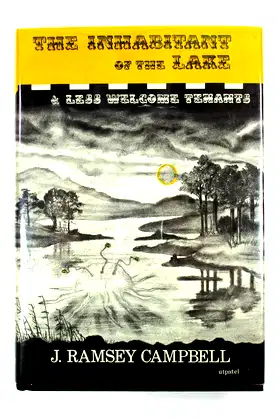
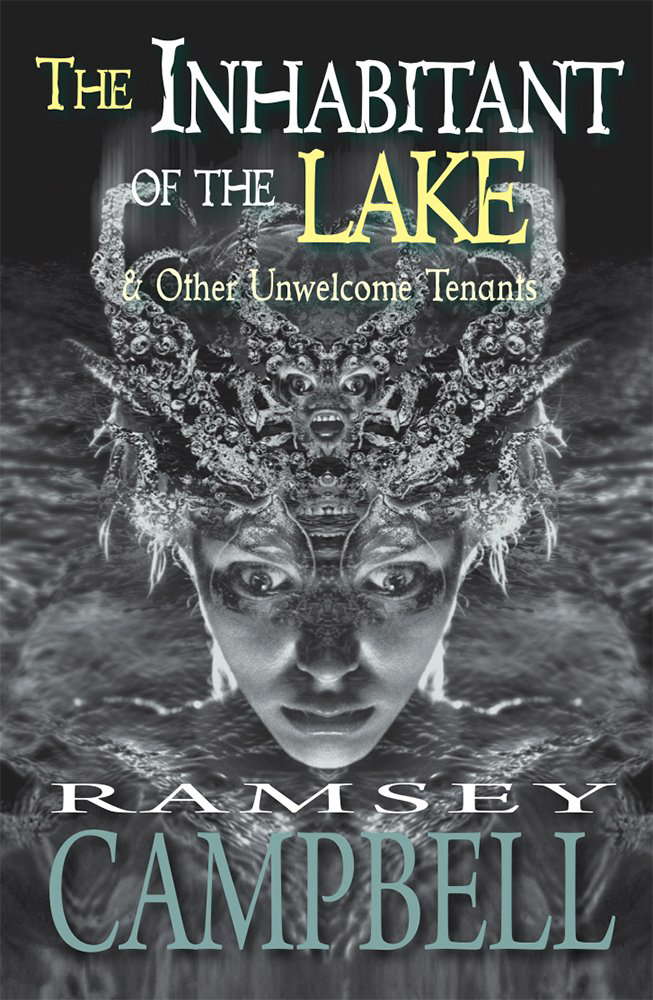
SYNOPSIS The influence of H. P. Lovecraft spans the centuries. Several of his correspondents who were writers learned by imitating him. The early tales of Robert Bloch and Henry Kuttner read very much like Lovecraft, while others of his friends Donald Wandrei, Clark Ashton Smith, Robert E. Howard and August Derleth among them incorporated his ideas and myths into their fiction. Bloch and Frank Belknap Long even wrote tributes to him that used him, barely disguised, as a character. After Lovecraft s death August Derleth took control of his mythos, adding to and organising it more systematically than its creator ever had. Derleth was a jealous guardian of Lovecraft s reputation, and insisted on vetting any stories by new writers that used the mythos. Few found his favour until 1961, when a Liverpudlian fifteen-year-old sent him the first drafts of several Lovecraftian tales. The outcome was a ten-year professional relationship and the appearance in 1964 of the first book of previously unpublished Lovecraftian fiction for five years. It was The Inhabitant of the Lake. This fiftieth anniversary edition reprints that book in full, including the original introduction. It also includes the first drafts of all the tales that were rewritten before publication and reproduces Derleth's editorial responses to the stories.
Find it on
AmazonNo videos available yet.
No news articles linked to this title yet.
No tags available.

Overall
Overall rating of the media
Atmosphere
How immersive and tense is the atmosphere
Gore
Level and quality of gore/violence
Story
Quality of the storyline and plot
Writing
Quality of the written content
Character Development
Depth and growth of characters
Pacing
Flow and timing of the narrative
![Average rating for The Inhabitant of The Lake & Other Unwelcome Tenants [hc]](https://cdn.scary.co/assets/filled-star.svg)