

BOOK
0
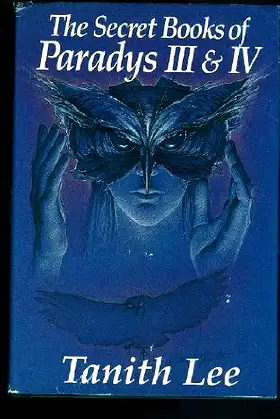
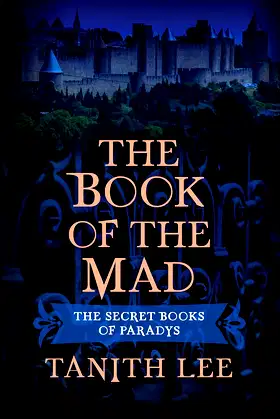
Paradys - the City - was a place of decadence and decay, of luxury and lasciviousness, and, after the revolution, a graveyard peopled by the insane and the dead ... and by those who preyed on both. All who came to Paradys were forever touched by its dread magic - from the bride bespelled into the body of a weasel ... to the poet whose lust for vengeance drove him to a distant isle where voodoo held sway ... to the conjurer with a spell that enabled him to master almost everything ... to the woman whose mere presence seemed to herald death's approach. Yet Paradys held far more treacherous secrets than these. The City was not one place but three, bound together by a labyrinth of ice yet separated, perhaps by time, perhaps by some long-forgotten enchantment, into Paradise, Paradis and Paradys -- each cursed in an entirely different way ... The twins Felion and Smara dwelt in Paradise - brother and sister who prowled the ice labyrinth in an unceasing search for wealth, however ill-gotten. The painter Leocadia was a citizen of Paradis. When her lover was found dead in her studio, she was committed to a mental hospital called the Residence - a welcome descent into madness. In Paradys, 11-year-old Hilde's unrequited love for an actor left her so distraught that her family placed her in an asylum, never expecting a full recovery. Then Felion and Smara met Leocadia and Hilde ... This exclusive SFBC omnibus volume includes The Book of the Dead (eight short stories) and The Book of the Mad.
Find it on
AmazonNo videos available yet.
No news articles linked to this title yet.

Overall
Overall rating of the media
Atmosphere
How immersive and tense is the atmosphere
Gore
Level and quality of gore/violence
Story
Quality of the storyline and plot
Writing
Quality of the written content
Character Development
Depth and growth of characters
Pacing
Flow and timing of the narrative