
BOOK
0
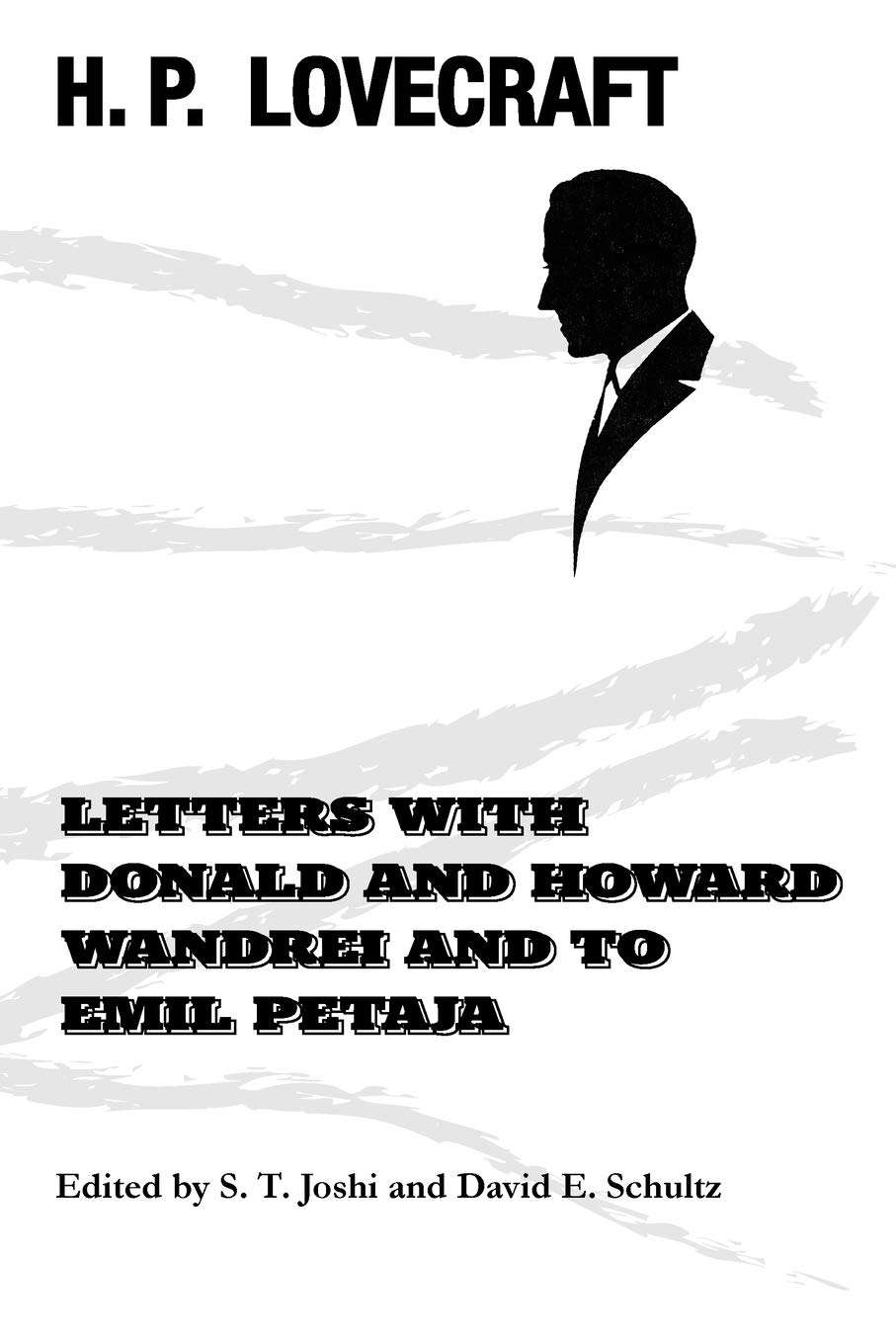
It is safe to say that Donald Wandrei (1908-1987) was one of Lovecraft's leading correspondents. In 1924 Wandrei came in touch with his literary idol, Clark Ashton Smith, and two years later Smith referred him to Lovecraft. There began a rich, expansive communication in which both sides of the correspondence are preserved largely intact, allowing for an unprecedented glimpse into the life and beliefs of the two authors. Wandrei began as a fiery, cosmic poet in the tradition of Smith, but later took to writing weird fiction. He persuaded Farnsworth Wright of Weird Tales to accept Lovecraft's seminal tale "The Call of Cthulhu," just as Lovecraft urged Wright to take Wandrei's "The Red Brain." Lovecraft introduced Wandrei to his fellow Midwesterner August Derleth, and after Lovecraft's death they founded Arkham House to publish the work of Lovecraft and other writers of weird fiction.Lovecraft came to believe that Donald Wandrei's brother Howard was a weird artist of the first order, and this volume features the letters and postcards they exchanged in the 1930s. Another late colleague, Emil Petaja, was of Finnish ancestry, and Lovecraft's letters to him are full of discussions into the fantasy fandom of that era along with his later beliefs on politics, society, and religion.As with other volumes of the Letters of H. P. Lovecraft series, this book prints all surviving letters unabridged and with exhaustive annotations by David E. Schultz and S. T. Joshi. In addition, a rare interview of Donald Wandrei is included, along with poems, essays, and stories by Petaja.
Find it on
AmazonNo videos available yet.
No news articles linked to this title yet.

Overall
Overall rating of the media
Atmosphere
How immersive and tense is the atmosphere
Gore
Level and quality of gore/violence
Story
Quality of the storyline and plot
Writing
Quality of the written content
Character Development
Depth and growth of characters
Pacing
Flow and timing of the narrative