
BOOK
0
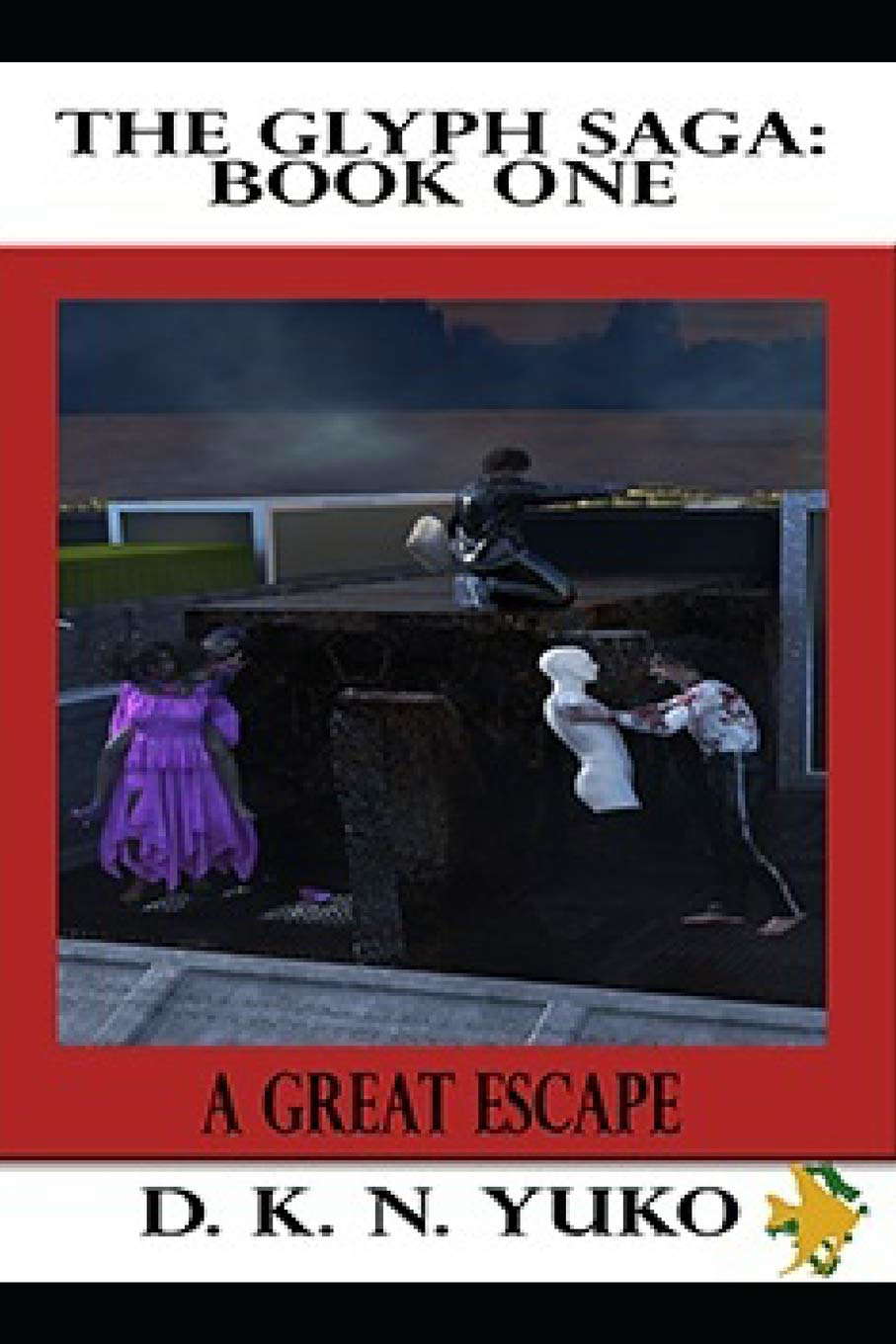
Following a series of bizarre weapon-testing accidents, the landmasses, languages, cultures, and political structures of Earth have drastically changed. One-third of the population, which consists of Androids, Holograms, Homo sapiens, and Homo radians, have been blessed (or cursed) with supernatural abilities, thanks to Alien intervention. Split into three warring Regions, the tightly-knit World Leaders have closets brimming with skeletons. Welcome to Ecliptic Earth, S.F.The Glyph Saga: Book One, A Great Escape, is the first installment of this seven-book series. Set in the year 2098 S.F., this book centers on the activities in the super region Panga Uno Animo. The PUA is an opulent, yet grueling, oligarchy with a fierce loathing of nature. The time has come for the Elder Dictators to initiate their highly-trained children as future Leaders, with a lifelong commitment of absolute corruption and terror. However, a few of these Chosen Ones have had their fill of the despotism and autocracy in their dystopian home, and decide to make a break for it using their unique superpowers to their advantage. It is up to these deserter offspring, with mysterious assistance from a remnant rebel, to escape the force field-protected gates of pretty oppression and attempt to usher in a new era of world peace and prosperity. Not, of course, without the obstructions of forbidden knowledge, lust, alien invasion, betrayal, loss, rejection, personal growth, and Life Form Warfare.
Find it on
AmazonNo videos available yet.
No news articles linked to this title yet.
No tags available.

Overall
Overall rating of the media
Atmosphere
How immersive and tense is the atmosphere
Gore
Level and quality of gore/violence
Story
Quality of the storyline and plot
Writing
Quality of the written content
Character Development
Depth and growth of characters
Pacing
Flow and timing of the narrative