

BOOK
0
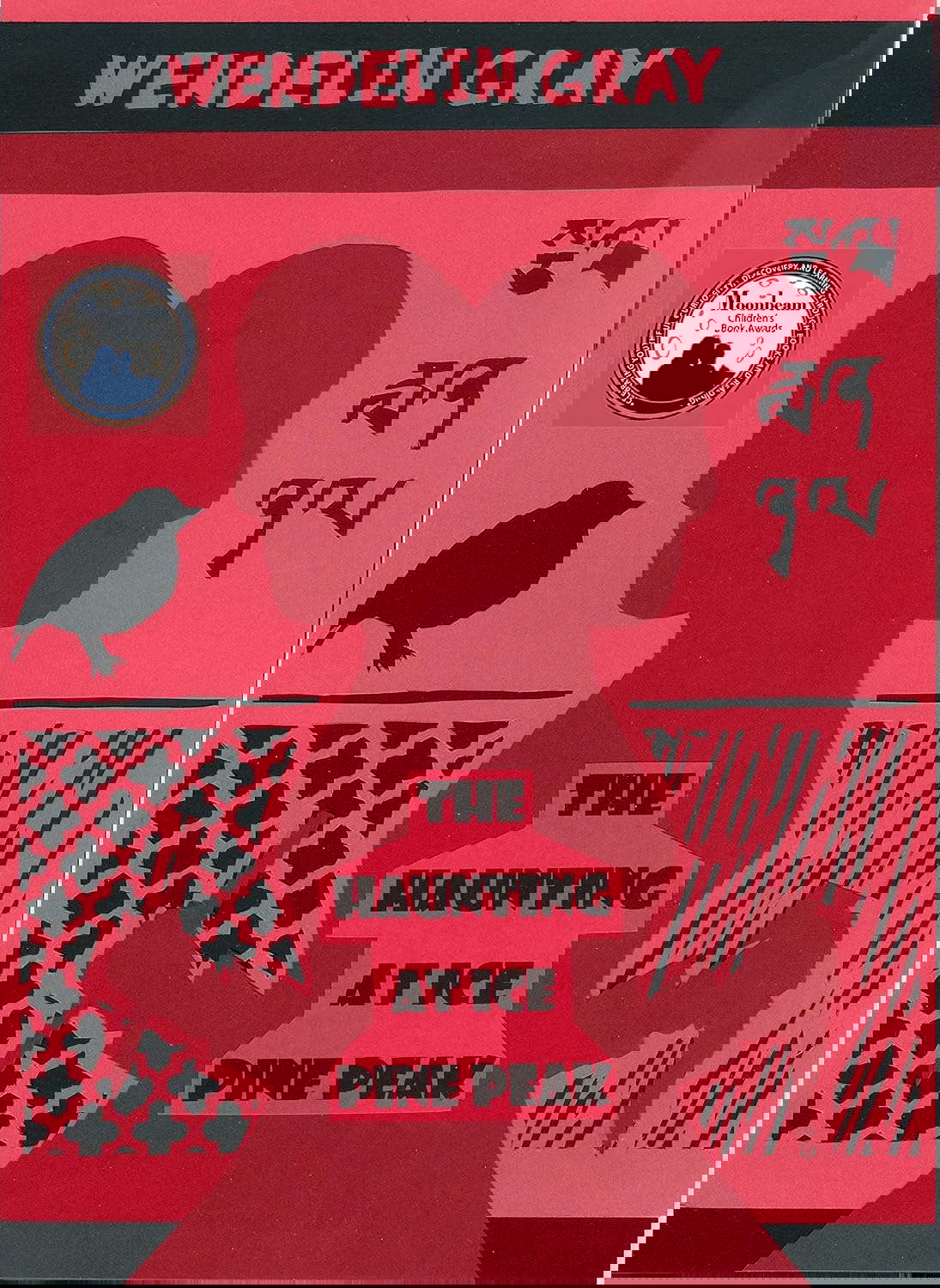
Trouble is brewing in the province of Ling-xiu when the murder of an elderly queen sends young Princess Bingsong into exile at a forgotten mountain villa. When a series of hauntings begin and she finds her father’s old diary, Bingsong, her handsome bodyguard Azuma, the villa’s mysterious steward LimTamm, and teenage servant girls Peitho and Lysithe are drawn into a 400 year old murder mystery hinted at by a string of small nightingale paintings. Bingsong’s struggle against an arranged marriage merges with the sinister history of the villa, the site of a massacre spurred by the rivalry between two temple acolytes. As corrupt security forces led by the province’s head magician Kimon are poised to take over the capital and eliminate Bingsong’s puppet king father, Kimon awakens an ancient evil in his quest to find the ruins of the drowned palace of Zu-bai, once the home of the world’s most powerful magician. As the epic battle between the spirits on the mountain is set to span two provinces, Bingsong and her friends must delve into the ancient history of the neighboring province of Zu-dang in order to lay to rest the grudges of the past. Set in the world of the Vulpecula Cycle with the same Silk Road sensibility, The Haunting at Ice Pine Peak is inspired by popular monster horror films of the 1930s and is a cross between “Dark Shadows” and Chinese literary classics like The Dream of Red Mansions. The Haunting at Ice Pine Peak won the Bronze Award for Young Adult Fiction E-book in the 2016 Moonbeam Children's Book Awards.
Find it on
AmazonNo videos available yet.
No news articles linked to this title yet.

Overall
Overall rating of the media
Atmosphere
How immersive and tense is the atmosphere
Gore
Level and quality of gore/violence
Story
Quality of the storyline and plot
Writing
Quality of the written content
Character Development
Depth and growth of characters
Pacing
Flow and timing of the narrative