
BOOK
0
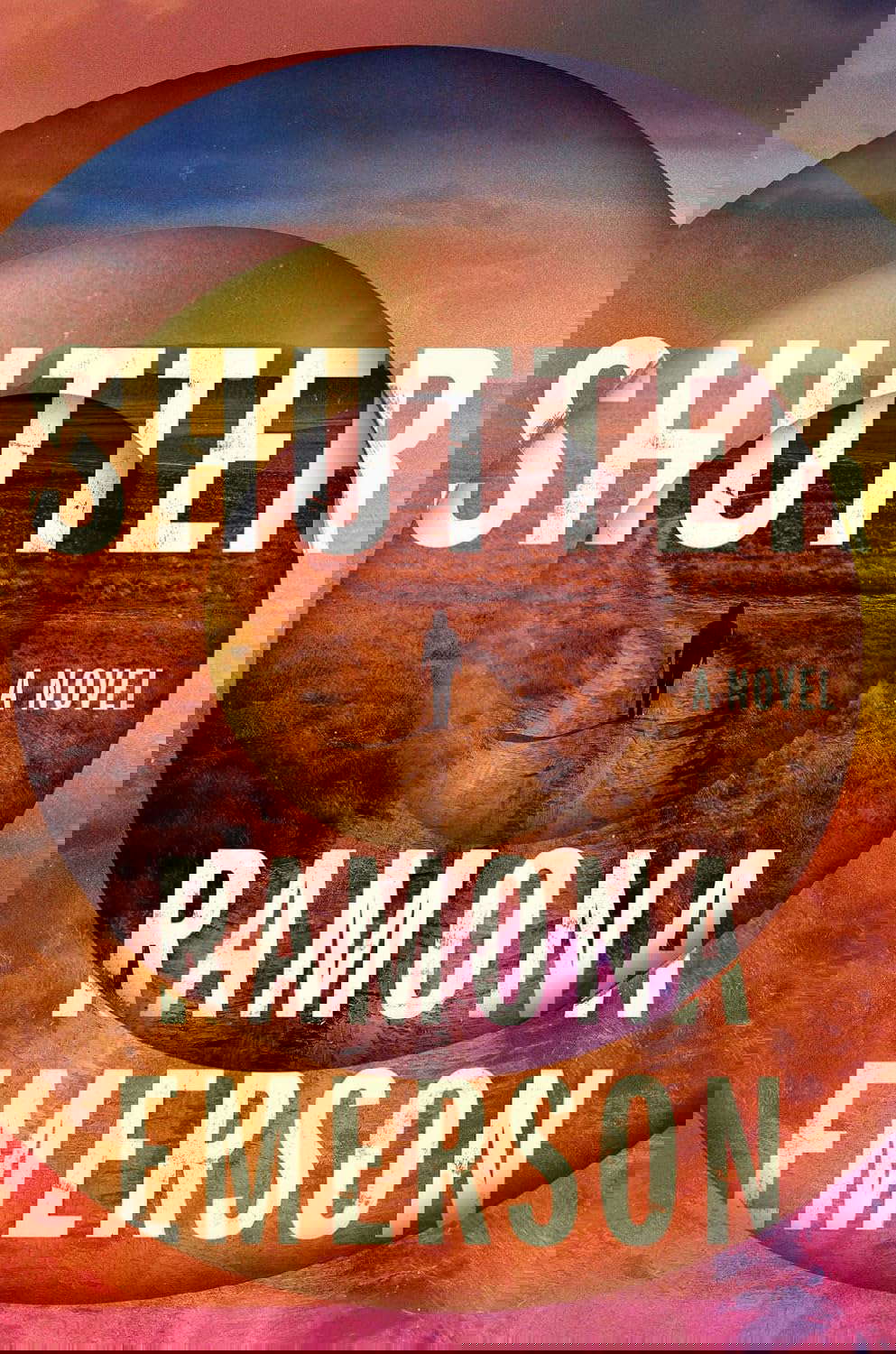
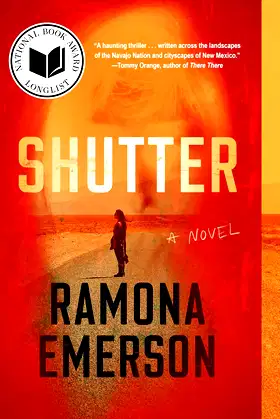
Longlisted for the National Book Award This blood-chilling debut set in New Mexico’s Navajo Nation is equal parts gripping crime thriller, supernatural horror, and poignant portrayal of coming of age on the reservation. "A haunting thriller, written with exquisite suspense . . . This is a story that won't let you go long after you finish, and you won't want it to end even as you can't stop reading to find out how it does." —Tommy Orange, author of There There Rita Todacheene is a forensic photographer working for the Albuquerque police force. Her excellent photography skills have cracked many cases—she is almost supernaturally good at capturing details. In fact, Rita has been hiding a secret: she sees the ghosts of crime victims who point her toward the clues that other investigators overlook. As a lone portal back to the living for traumatized spirits, Rita is terrorized by nagging ghosts who won’t let her sleep and who sabotage her personal life. Her taboo and psychologically harrowing ability was what drove her away from the Navajo reservation, where she was raised by her grandmother. It has isolated her from friends and gotten her in trouble with the law.And now it might be what gets her killed.When Rita is sent to photograph the scene of a supposed suicide on a highway overpass, the furious, discombobulated ghost of the victim—who insists she was murdered—latches onto Rita, forcing her on a quest for revenge against her killers, and Rita finds herself in the crosshairs of one of Albuquerque’s most dangerous cartels. Written in sparkling, gruesome prose, Shutter is an explosive debut from one of crime fiction's most powerful new voices.
“A perfect blend of thriller, horror, and coming-of-age story.”
“Haunting.”
“This story is way more than a thriller, more than a ghost story. It is one of family and history, of culture, of past and present, of walking set boundaries and of discovering oneself.”
“This paranormal police procedural is unusual and multilayered, but what stands out is the gorgeously expressive and propulsive first-person storytelling, which is split between Rita’s present and her past. A former forensic photographer herself, the pictures Emerson paints with words are as vivid as they are brutal.”
“Shutter is utterly unputdownable. It is a haunting thriller, written with exquisite suspense, and filled to the brim with beautiful writing, through the lens of cameras and memory
“A unique perspective on New Mexico and native culture.”
“[Emerson] brings a contemporary Diné protagonist to brilliant life. Rita vibrates off the page with grit, vulnerability, and a set of keen observational powers that allow her to rise above violence, corruption, and family trauma. Here’s hoping her crime-solving career is a long one.”
“Shutter defies easy genre classification . . . Yes, this is a mystery with elements of horror, but the novel also plumbs Rita’s relationship with her grandmother, who raised her on the Navajo reservation hours from the city where she now works. The result, featuring one of the best first chapters I’ve ever read (admittedly, not for the faint of heart), leaves us with so much more than phantasmagoric thrills.”
“This mystery-crime-thriller is beautifully and chillingly rendered.”
“Rita is a starkly compelling figure, and she, combined with the cacophonous voices of the dead, makes this debut novel a strange and potent brew.”
“Superbly crafted.”
“Emerson touches upon subjects that Diné often are reluctant to raise or discuss in intimate circles, and does so in ways that allows for conversation about death, the possibilities of a spirit world, gifts of second sight, and witchery and evil . . . Yet, we must acknowledge and work through because it is reality, it is more so a coming-of-age story.”
“Emerson immediately establishes herself as a new talent with her engrossing debut Shutter, which combines a story of Navajo culture, coming of age, mysticism, family ties and crime detection . . . Emerson is definitely an author to watch.”
“The thriller read of the summer
“Gritty.”
“Emerson creates a powerful tension between Rita’s photographic documentation of dead bodies at crime scenes and the spiritual desperation of their souls . . . The title of the novel captures photography’s fluidity, at once referring to the blink of a cold, mechanical eye and suggesting the near homonym, shudder, the visceral chill when in the presence of the supernatural.”
“[Emerson] navigates family and crime to create a captivating mystery and page-turner.”
“Get ready for the next wave of Indigenous thrillers! Shutter is a soulful and mesmerizing exploration of the paranormal, set against the backdrop of New Mexico and the Navajo Nation. Written in tough, edgy prose, this book grabs you by the shoulders and refuses to let you leave. Ramona Emerson is a welcome new voice in Native literature.”
“Beautiful, imaginative prose with a sharp edge. Shutter is a powerful and supernatural debut. I've never seen a better rendering of gifts and power. This work understands the spirit world and how it does not relent until we bear witness. Ramona Emerson is a badass, propulsive, exacting and true storyteller.”
“This debut, spellbinding, gritty and beautiful, laced with body parts, hauntings, humor, residential school trauma and a lot of bloody noses, is, in the end, the story of a young girl who fell in love with a camera, and followed that camera into a life. Layered, depth-plumbing, radically suspenseful, deeply felt, Shutter moves between making your blood run cold and warming your heart, so quickly, smoothly and stealthily you won’t know what hit you.”
“In her thrilling debut, Shutter, Ramona Emerson allows us a glance into not just one world, but many. Bridging the divide between a grounded procedural mystery and a paranormal thriller, this novel is a feast for fans of both genres and brings us a protagonist we’ll want to visit again and again.”
“The mysterious, the paranormal, and the historical come together in Romona Emerson's riveting debut . . . Emerson's powerful new voice brings a breath of fresh air to the crime fiction genre.”
“Chilling.”
“A truly stunning ghost story-cum-crime thriller.”
“Hard to put down.”
“Shutter is an extraordinary debut novel, a stunning mix of crime, character study, and the supernatural, told in propulsive prose against the landscape of the Navajo Nation. It’ll leave you gasping
“Loved this book! . . . [Shutter] has a mixed tone of being a dark-ish procedural and also a beautiful book about with her relationship with her grandmother. I would absolutely read another book following Rita and also anything else Ramona Emerson writes.”
“Shutter is impossible to classify, gorgeously written and ingeniously constructed. An indigenous crime scene photographer who hears the voices of the dead finds her careful existence shattered by the pleas of a murdered young woman to find her killer.”
“Ramona Emerson's awesome debut, Shutter, had me totally mesmerized from cover to cover. Not since Stuart Neville's supernatural thriller, The Ghosts of Belfast, have I seen a more perfect blend of ghostly horror and mystery.”
“Emerson weaves a page-turning plot with powerful family stories from Rita’s past on the reservation, building up layers of back-story that inform an increasingly complicated crime story in the present.”
“Taut as a bowstring.”
“This debut trilogy-starter showcases top-notch storytelling.”
“Emerson presents an indigenous coming-of-age story blending forensics and the supernatural with a haunted heroine facing relentless evil.”
“Emerson, a filmmaker, is a stylish writer who has deftly combined plot, character, and setting into a compelling montage.”
“Satisfyingly explores forensic photography and Diné culture within the New Mexico landscape, surrounded by the voices of some very engaging ghosts.”
“Crime fiction fans will relish this keenly balanced paranormal page-turner and piquant coming-of-age yarn.”
“Emerson’s striking debut follows a Navajo police photographer almost literally to hell and back . . . A whodunit upstaged at every point by the unforgettably febrile intensity of the heroine’s first-person narrative.”
Chapter 1 Souls don’t scatter like the rest of the body. They latch on for as long as they can, their legs pulled to the sky, fingertips white in desperation. Souls are grasping for us, for the ones they left behind, and for the truth only they can see. They are the best witnesses to their last breaths. I stand in that bitter, cold wind with that ghost and take its picture. Tonight, nothing was left. After two hours of metal on bone and flesh on asphalt, there were only yellow plastic forensic markers lined up like soldiers on the darkened freeway, all seventy-five of them marking the resting place of this soul, who was now merged with the blacktop, the blood and tissue part of its earth and chemicals. I watched the lead investigator lay another marker in the distance. Seventy-six. Static crackled through the radio. “We have OMI en route.” Office of the Medical Investigator. “DB I-40 westbound at Louisiana walkover. A body on the highway. Respond. Photo One? Are you there?” “Photo One. I’m here.” I knew then that I would be out here for hours. I clawed into my last pack of nicotine gum, pulling two pieces from the foil, and jerked myself into my paper suit and latex skin. Neither did anything to cut the cold. I ducked beneath the tape. We were always the first on the scene, the photographers. Next month would be sixty-six months for me. Five and a half years of taking pictures of dead people. This person had been scattered—muscles and flesh torn by the push and pull of steel, by hot rubber and propulsion, speed and physics. The markers stretched out farther than I could see, a serpent of reflective yellow slithering into sky and tar. Too many people were on scene, mostly cops surveying the carnage, telling stories in huddles, pulled together by whispers. I walked to marker one. Surrounded by the night sky, I took the first overall photo. I perched above; the wide angle lens was just wide enough. A galaxy of shimmering light set off every marker, every piece of flesh bound in yellow haze. The first ten pieces were small and unrecognizable, splinters of bone and chunks of tissue. By marker twenty-one, the pieces were bigger. A waxy, oily section of skin lay before me, the photo catching every detail of newly shaven legs, of the nick she gave herself probably that morning, of a faded tattoo saying “Forever.” I could tell it was a leg by the ghostly white bone that protruded from the flesh. A femur. Twenty-two was a piece of ankle; twenty-three was a left foot with two toes missing—a snake and tree tattoo twisting out of the hole they left. When I found the toes about a foot away, they were still attached to each other by a thin rope of dry skin. Twenty-four. The other leg was complete, torn low in the thigh. The kneecap faced north, scuffed to the bone, but the rest of the leg twisted south. The bones in the legs were cleanly snapped, the exposed flesh like outstretched hands. Every single bone in the right foot looked like it was broken. The pinky toe was missing. Marker thirty. The hip bones were still intact, held together by the seams of the pants. About six inches of left leg remained, with no bone visible. My camera focused in on the partial tire track above the break. A breeze moved through and pushed the heavy iron scent of blood into my nose, a hint of decay catching in my throat. The iliac crest overhung the torn flesh right above ripped, blood-soaked pants. Glittery sequins shimmered when I used my primary flash, shredded backbone pulling white into the camera frame. I used my slave flash and hot shoe attachment and tried the image again. On the rear viewfinder, I saw a twenty-dollar bill sticking out of the pocket. I hadn’t noticed it on my first glance. Image count: 175. I moved along the side of the road, approaching the shoulder in a grid, carefully measuring the length of each piece of debris and the distance between various fragments of the body. The liver, intestines, kidneys, and uterus had not fared well: the tissue flattened by tires and caked with debris. I found her heart at number thirty-four, in the grass away from the asphalt, as if an invisible angel had laid it in place. I had never seen a heart like this, so pristine I almost waited for it to beat. It was like a sacred heart of Jesus postcard. By the time I got to number forty-seven, I had photographed half of her body, including most of her internal organs. But forty-seven was her torso. It measured about fifteen inches, according to my scale. The woman was petite. She had lots of detailed and beautiful tattoos, the stories behind them now silenced, the ink unchained. The skid marks, ten and a half feet long, lined up with her rib cage, jagged back roads that cut through the landscape of her remains. Around the edges of a frayed six inches of bicep, a tattered heather-gray T-shirt was rolled into a tight cylinder, cinching the skin. Two shimmering strips of nylon still rested lightly along her shoulder blade, the remnants of her bra. The rest of it was next to the torso, balled up and streaked with black tar. The scream of the charging flash orbited the night air. Image number 231. A mist of condensation hung in the night sky. Even out in the cold, my hat and scarf were soaked with sweat. I peeled them away. I lifted my eyes to see how much was left. As I continued to shoot, I could hear the conversation between an investigator and a truck driver, the only driver who had bothered to stop. “I didn’t see anything out there. Just the thud. Just the thud like I’ve been telling you.” “I understand, sir. Where did the thud come from?” “From the front left side, then way back on the left tires. I could feel the back ones roll over something, so I stopped.” “And then what did you do?” “Jumped out of the cab.” The man hesitated and grabbed the bill of his blue hat, the kind with the plastic mesh on the back. “Then I saw pieces, and I called it in.” Hundreds of cars had passed her, unknowingly carrying her flesh beyond the boundaries of the city. I was sure there would be pieces we would never find. It was only us now, five investigators, fifteen cops, and my camera, visible only by the turning, cherry-red lights of patrol cars. There was no moon out tonight; the sky was the color of indigo ink. I moved on. I was about halfway there and my fingertips were numb. Number forty-eight began with pieces of arms and fingers. Her thumb was alone, the fingernail bit down to the nail bed, flecked with red polish. On the yellow line of the highway, we found her little toe, polished the same color as her fingernails. It was over twenty feet from the rest of her feet and legs. Image 456. The largest piece of the skull was her jawbone, two bottom teeth missing, gums still bloody. Number sixty-eight. Even after the few hours she had spent on the road, her skin was soft. A delicate covering of fine hair lined the condyle of her jaw, the joint where the bones meet beneath the ear. It sat on the road at a forty-five-degree angle. There wasn’t even a drop of blood on the skin. I pressed my finger to the shutter release and raised the viewfinder. My eye stung from the flash. One of the scene investigators walked behind me with the medical examiner, Dr. Blaser, who carried a box of red biohazard bags under his arm. He reached out and touched my shoulder. I turned to see his awkward smile and his nod. “Rita.” I returned the nod. They kept walking. “So how long do you think she’s been out there?” An officer scribbled on a report. Dr. Blaser stopped and looked at the sky. “A couple of hours. When does the sun set again?” My eavesdropping was interrupted by the shouts of officers chasing someone off the overpass. I watched as three onlookers ran into the shadows, followed by the beams of the officers’ flashlights. I’d need to get up on that overpass to photograph anything that looked out of the ordinary. Officers in paper suits fanned their flashlights through fence lines and over handrails. I watched one lay down a marker. My feet began to ache. I needed to focus. It had been fifty-two hours since I last slept. Her nasal bones and suborbital ridge were crushed into a chalky white puzzle immersed in crimson. Marker seventy-seven. The insides of the skull began to appear in various fragments, broken at the skeletal sutures. The yellow markers stood at attention: eighty-eight, eighty-nine, ninety. I photographed one of the eyeballs, free from its bone and muscle, lying between a crushed beer can and the remnants of broken windshield glass. Number ninety-three. The pieces of teeth were five inches from a pile of ash and cigarette butts—what remained of a two-day snowstorm. Some travelers along this highway had passed this way over two weeks ago and dumped their ashtray onto the road. It had frozen there, strangely protected from the elements by the melt and freeze of ice. Number ninety-eight. I walked onto the overpass, a two-lane bridge with walkways on the sides. The cement moved beneath my feet as police directed traffic through one lane of the bridge. A small section of the walkway was cordoned off with yellow tape; a lonely yellow marker reflected in the passing headlights. Two detectives waited impatiently for me to photograph a purse that sat on the curbside. The fat, ugly one was Detective Martin Garcia. The other was his completely silent new partner, Detective Vargas. His longtime partner, Detective Armenta, had a heart attack last month and had officially retired. The marker: M2—Miscellaneous. “We need to see if we can find some ID in this bag, Rita,” Garcia said. No one could touch anything until I took a picture of it. The two of them were antsy. Garcia’s hands were on his hips; his greasy skin bounced back the rosy orange light of the bridge lanterns. “Can you?” He brought an imaginary camera up to his face and pressed the button. “Where’s M1?” “Over here. On the other side of the railing.” He pulled sky-blue gloves over his fat, hairy hands. I walked up to the railing, shining my flashlight down below. A pair of red stiletto heels hung from a steel beam that jutted from the overpass, the ankle straps caught on the jagged edge. Garcia peered over with me. “Guess she didn’t like ’em, huh?” Above the red stilettos, a technician covered the rails of the bridge in powdery black. A trail of smudges led to the black outline where they tried to lift prints. It was the last place our victim had touched the overpass. Two sets of finger groups, four fingers on each side, had gripped the metal in desperation. She had not wanted to jump. The two partial handprints showed a larger presence, someone with strong, thick hands and deep lines in their skin. The left print was smeared, but the right one was clear and showed that whoever had helped her to the edge had been wearing rubber gloves. Forensics pulled the tape anyway and transferred them to the evidence cards. The flash lit up the bridge and filled the camera frame with the red shoes, size seven. I dangled myself over the railing, balancing with the weight of my boots. Flash. The viewfinder read 965 of 1,000 images. Back at M2, I hovered above the bag and dropped my scale on the concrete. The bag was ten inches long and six inches across. The white leather was soft, worn, and scuffed underneath, the brown leather handles darkened with oil and dirt. The zipper was open. I raised the camera and framed the purse, the only witness here to what had really happened. On the right side of the bag, there was a shoe print pressed into the leather. It looked like a work boot. One of the investigators pulled a wallet from the bag and opened it, sending a tattered photograph to the ground. A young woman with long, full, and slightly curled hair, smiling, her right arm around the neck of another woman with a glowing white halo of hair. The young woman had an electric smile and wore a red tank top, a tattoo of a baby’s face on the right side of her chest. I had seen that tattoo before—well, what was left of it. They found her driver’s license and laid it on top of the wallet. I snapped a photo of the ID: Erma Singleton. Size 7 shoes. Thought it would last forever. I pressed the shutter down. Image number 1,000. As I made my way off the bridge and back to the highway, the sky was turning from black to blue, the stars disappearing from bottom to top. The new light revealed the uneven strip of aged blood that skittered left, right, and in spirals on the highway—the path of her body’s final movements. I changed memory cards. The light allowed me to frame the scene from above as it unfurled beneath the red shoes, the first splash of blood directly below the dangling, stained leather. The Office of the Medical Investigator had collected and sealed nearly all the body. Only a few yellow evidence markers remained. The haggard-faced investigators were eager to crawl back to their homes and bury their heads beneath the pillows. I could only hope that I would be able to fall asleep when I got home. I followed the blood and searched for anything we might have missed. The lingering smell of death was developing. I saw it then. A small hunk of flesh hadn’t been spotted by any officer or investigator. We all had walked this path before, more than two or three times, but we had missed it. The skin matched the color of the slightly reddened clay on the roadside, drawn into the earth, the pull of death’s process. “Over here!” I called. I took a few pictures before they had a chance to contaminate the scene. The beams of the flashlights dropped, the hollow light fixed on my boots. A piece of face, the ear and the eye still intact, the lid partially open. The eye was green, turning iridescent as they watched. “Can you go ahead and make a marker for this one, Officer?” Nothing. “Officer?” “Oh. I’m sorry.” Officer Branson was three days on the job. He laid down a yellow marker. One hundred. I took the picture. I had taken 1,015 pictures of over a hundred separate pieces of a human being and her belongings. I had five scrapes on my own hands and knees and one filthy white paper suit. I sat in my car for fifteen minutes and labeled three photo cards and five pages of notes. The pain started somewhere in my temple, I closed my eyes, hoping to escape it, but it stayed—the pain, and the heavy yellow light that was sitting in my front seat.
Find it on
AmazonNo videos available yet.
No news articles linked to this title yet.

Overall
Overall rating of the media
Atmosphere
How immersive and tense is the atmosphere
Gore
Level and quality of gore/violence
Story
Quality of the storyline and plot
Writing
Quality of the written content
Character Development
Depth and growth of characters
Pacing
Flow and timing of the narrative